🐾 How to Choose the Right Micro Bully Puppy (Complete Buyer’s Guide)

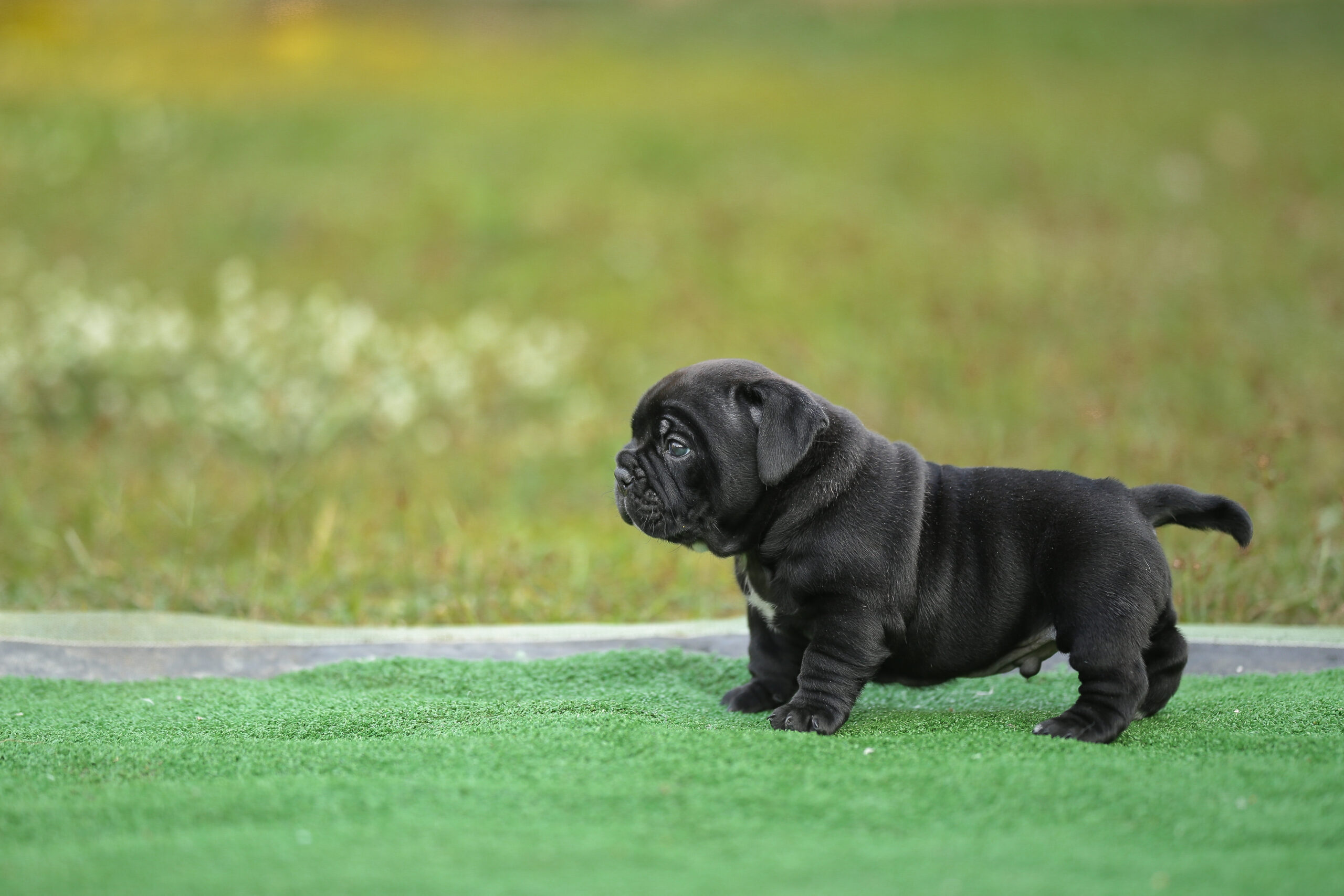
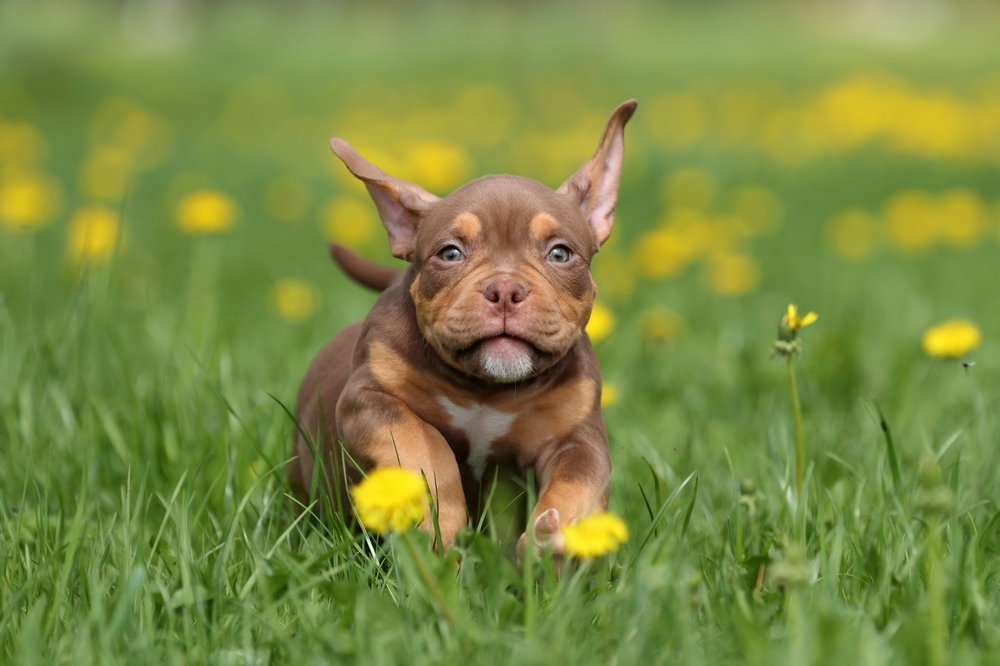
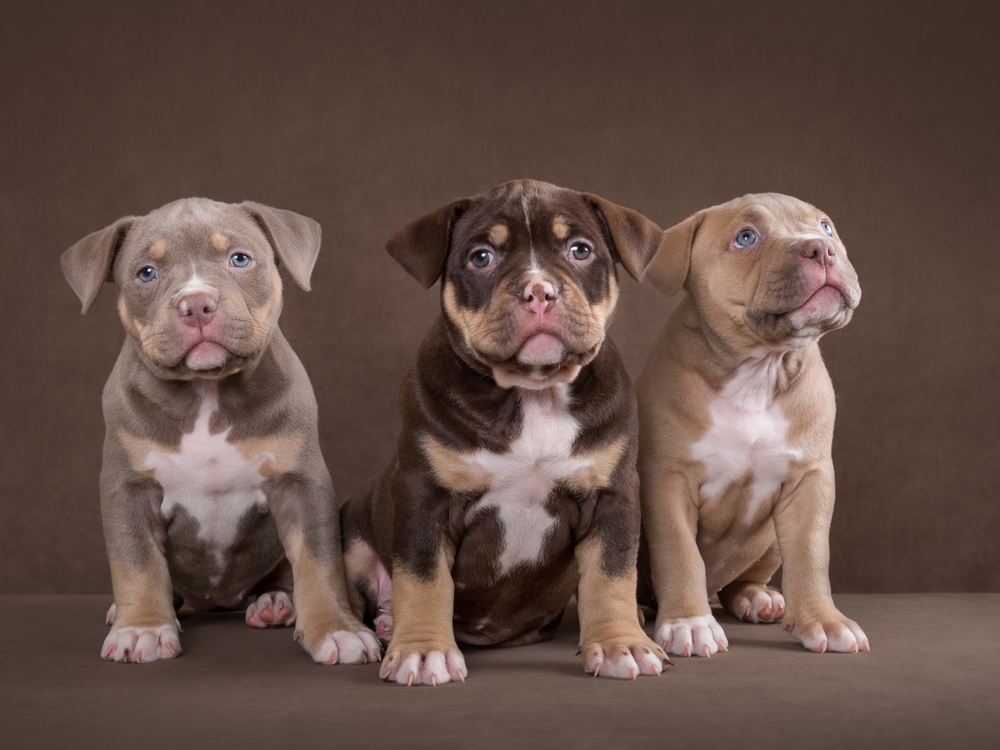
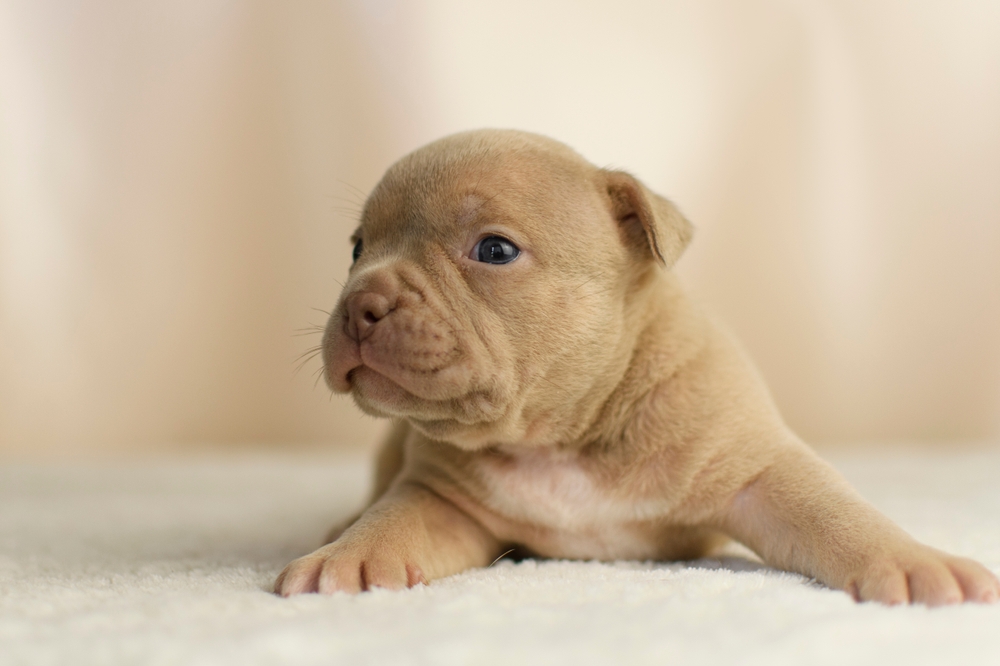
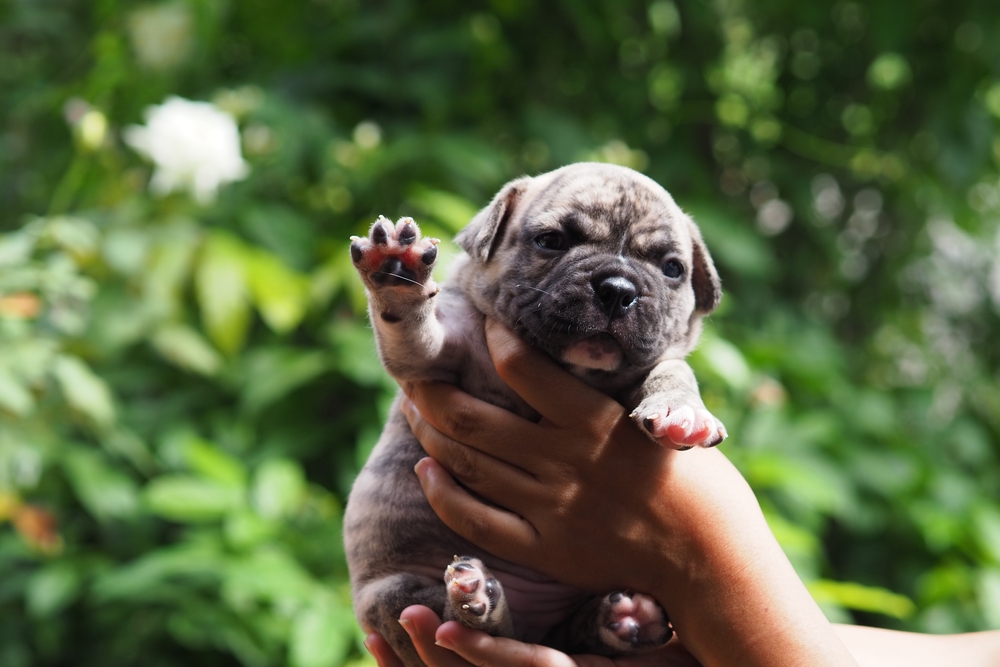
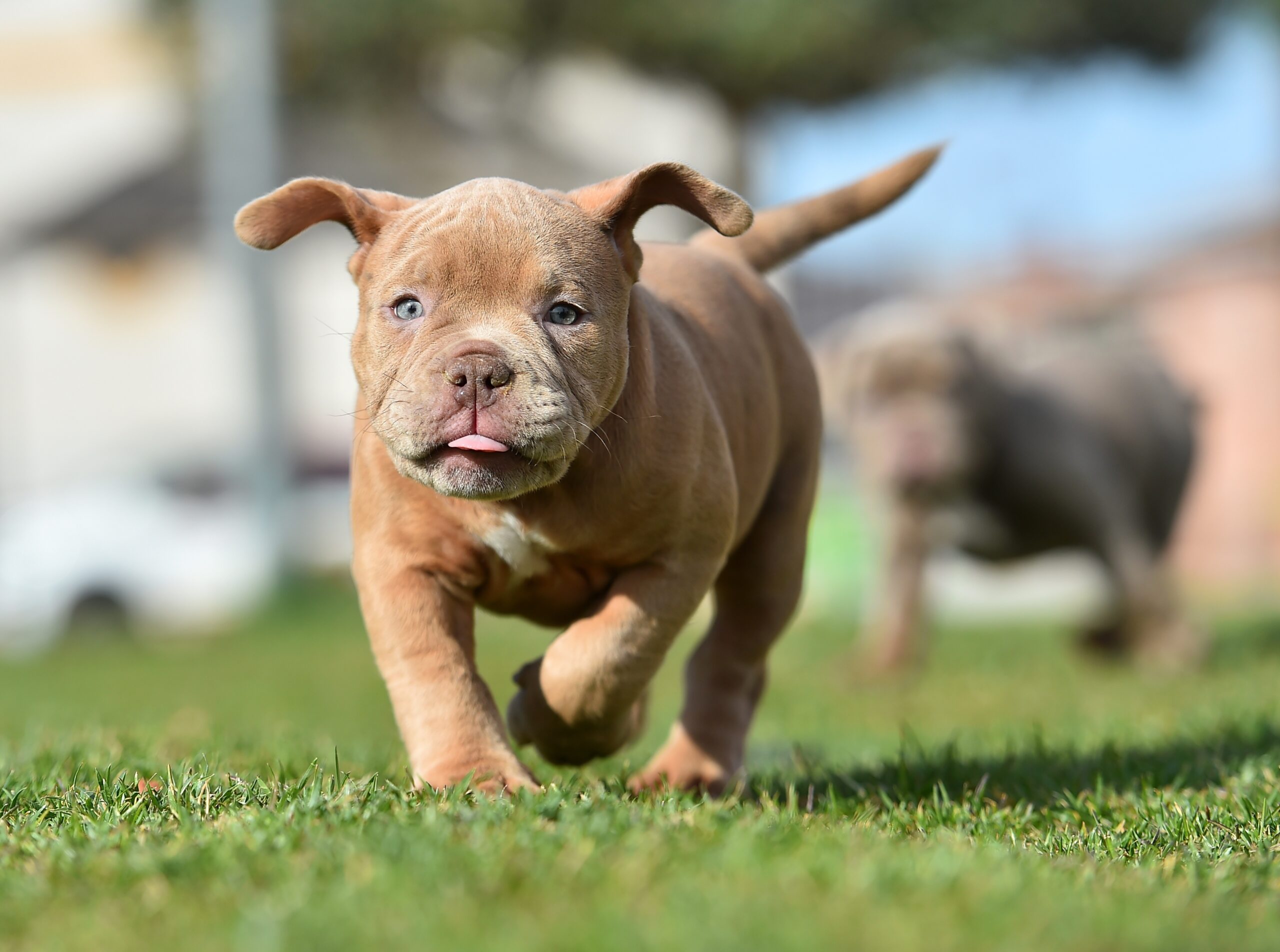
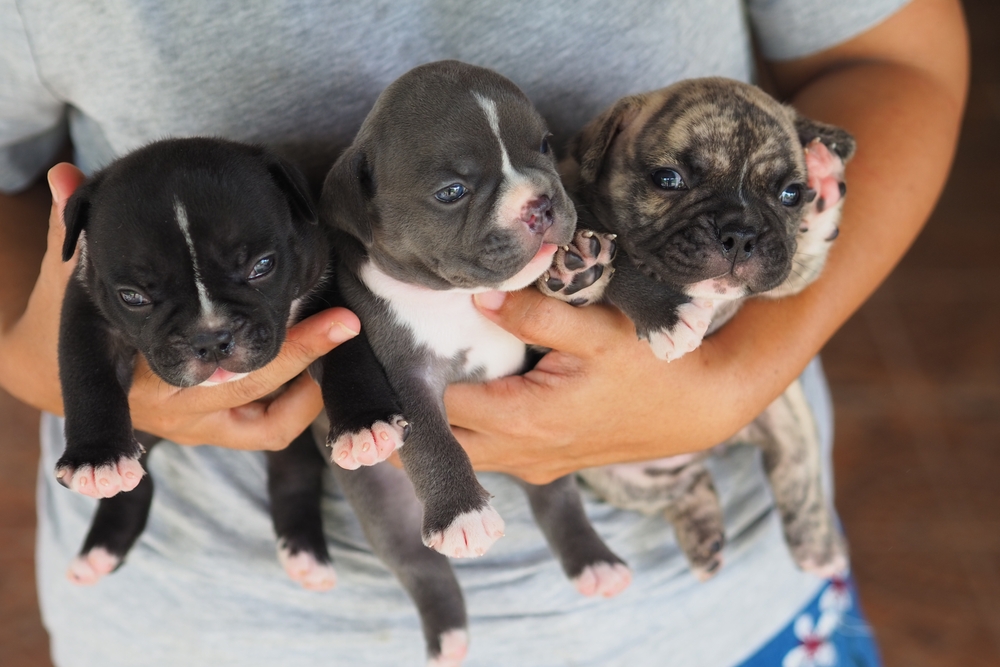
cute American Bully puppies on isolated background for sale in San Diego California with compact muscular build

Choosing the right American Bully puppy is one of the most important decisions you’ll make.

Not all Micro Bullies are created equal.

👉 The difference between:
✔️ A confident, healthy companion
❌ And future problems

…comes down to how you choose your puppy and breeder.

This guide will show you exactly what to look for—and what to avoid.


🔗 Table of Contents

  • What Makes a Quality Micro Bully Puppy
  • How to Evaluate a Breeder
  • Temperament: What to Look For
  • Structure & Physical Traits
  • Red Flags to Avoid
  • Questions to Ask Before Buying
  • Why Choosing Right Matters
  • Final Thoughts

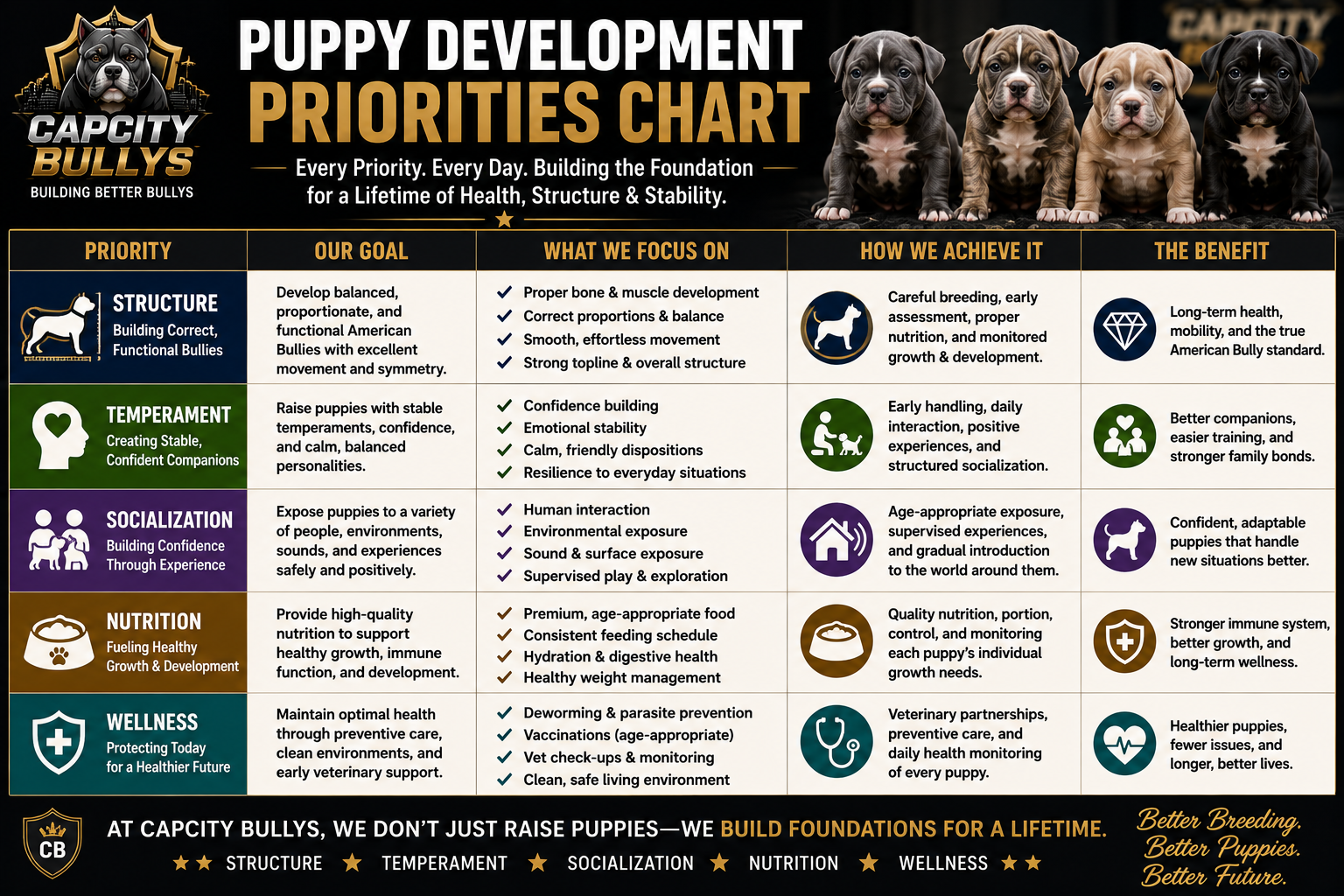
🧬 What Makes a Quality Micro Bully Puppy?

A high-quality Micro Bully should have:

✔️ Stable temperament
✔️ Strong structure
✔️ Clean genetics
✔️ Proper early development

👉 Learn the foundation:
What Makes a Well-Tempered American Bully


🧠 How to Evaluate a Breeder

The breeder matters just as much as the puppy.

✔️ Look for:

  • Experience (years in the breed)
  • Clean, structured environment
  • Knowledge of bloodlines
  • Focus on temperament—not just looks

❌ Avoid:

  • No transparency
  • Poor communication
  • No health or background info

👉 Learn more:
Responsible Breeding Practices


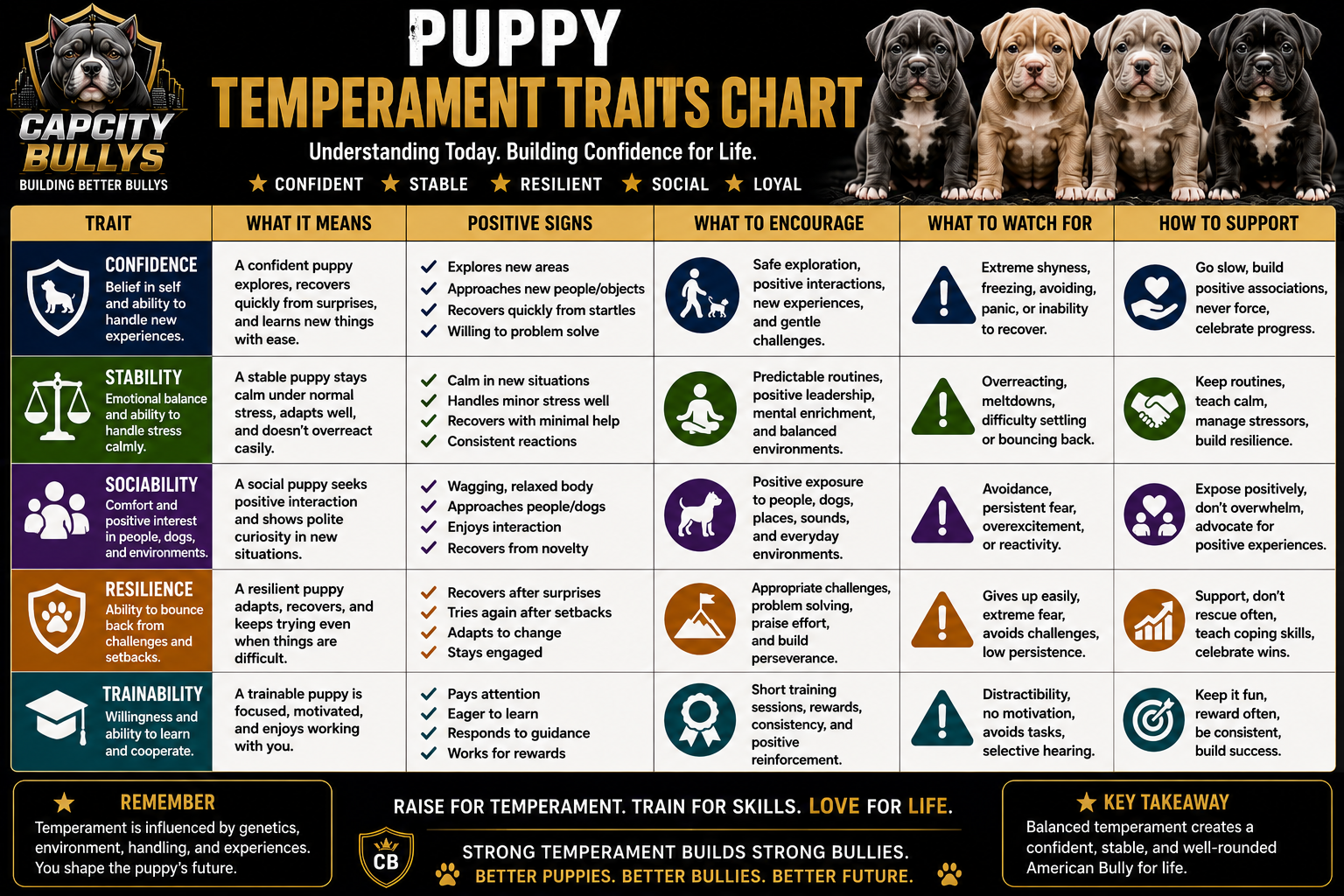
🐶 Temperament: What to Look For

Temperament is EVERYTHING.

✔️ Good signs:

  • Curious but not fearful
  • Calm energy
  • Engages with people

❌ Warning signs:

  • Extreme fear
  • Aggression
  • Overly hyper behavior

👉 Understand behavior:
American Bully Temperament Explained


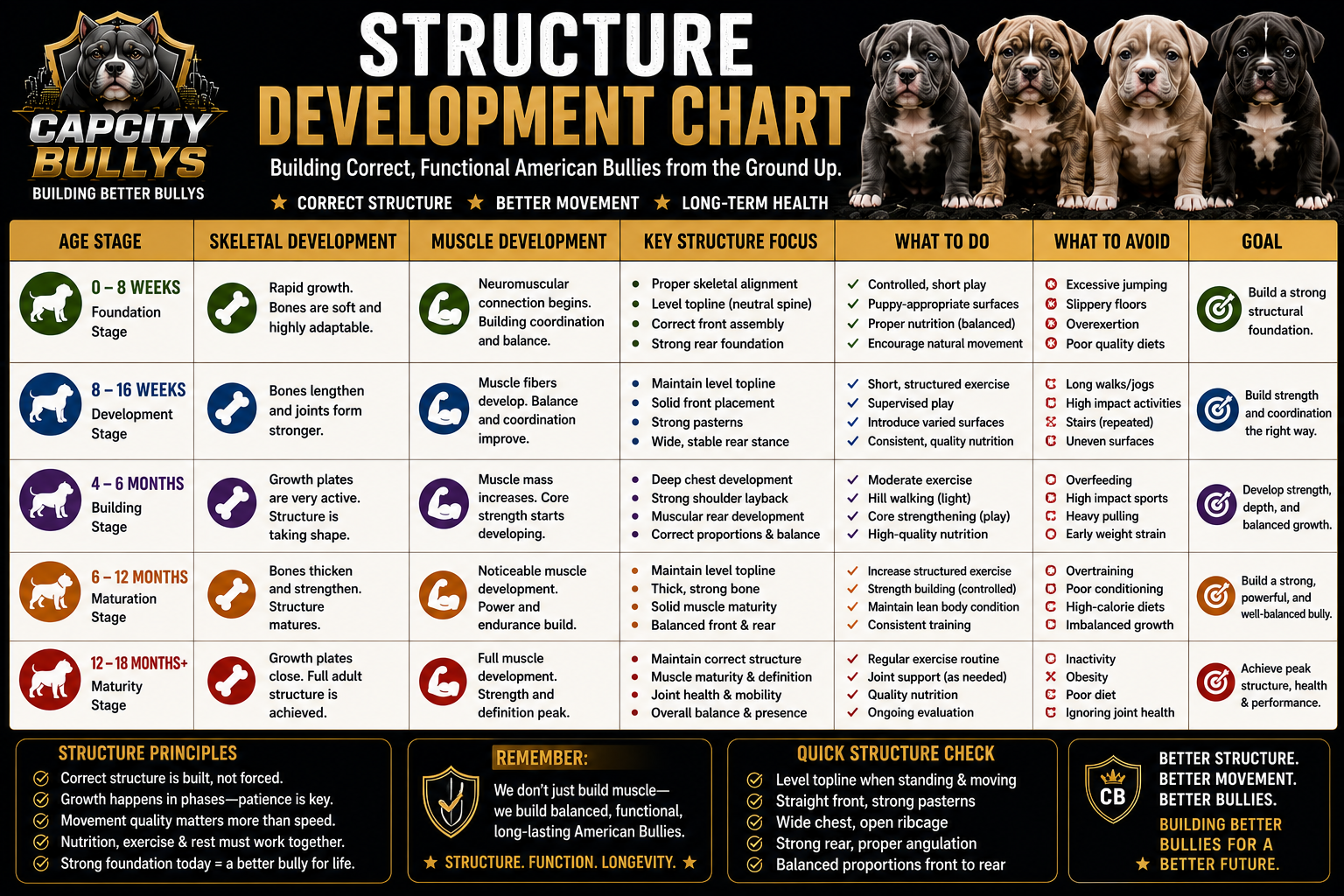
🏗️ Structure & Physical Traits

Look for:

✔️ Compact, balanced body
✔️ Strong bone structure
✔️ Clean movement
✔️ Proportional head and chest

💡 Structure impacts:

  • Health
  • Mobility
  • Longevity

⚠️ Red Flags to Avoid

🚩 Extremely cheap pricing
🚩 No pedigree information
🚩 Poor living conditions
🚩 Weak or unstable temperament

👉 These often lead to:

  • Health issues
  • Behavior problems
  • Long-term costs

👉 Learn prevention:
American Bully Behavior Problems & Fixes


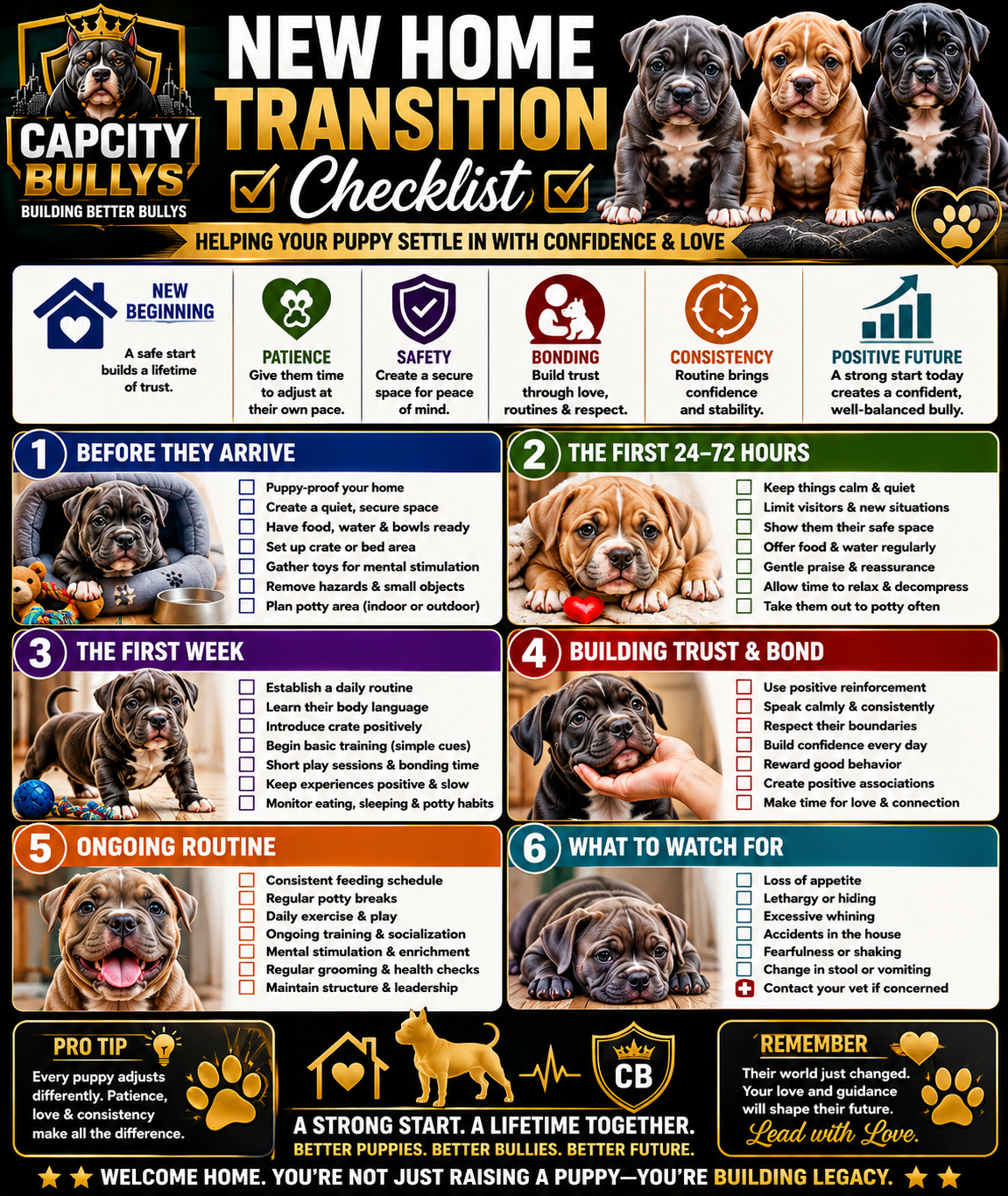
❓ Questions to Ask Before Choosing a Puppy

Always ask:

  • What bloodlines are involved?
  • How are the puppies raised?
  • What is the temperament of the parents?
  • What support is provided after pickup?

👉 These answers reveal everything.


🧠 Why Choosing the Right Puppy Matters

Choosing correctly means:

✔️ Easier training
✔️ Better behavior
✔️ Long-term health
✔️ Better overall experience

👉 Start your journey right:
Preparing Your Home for a Micro Bully Puppy


🐶 Final Thoughts

To choose the right Micro Bully puppy:

✔️ Focus on temperament
✔️ Evaluate the breeder
✔️ Look beyond appearance

👉 Do this right, and you’ll bring home:
A confident, well-balanced companion


🔥 Find Your Perfect Micro Bully

At Capcity Bullys, we focus on:
✔️ Structure
✔️ Temperament
✔️ Proven bloodlines

👉 View Available Puppies Now

📞 Call/Text: (614) 507-9702

📍 Serving Pennsylvania, Ohio & New York
🌎 Nationwide & worldwide delivery available


🧭 NAVIGATION FOOTER


🐾 Puppy Authority Series


🧠 American Bully Education


🎯 Training & Behavior


🐶 Puppies & Locations

🐾 Micro Bully Puppy Training Guide (From 8 Weeks to 6 Months)

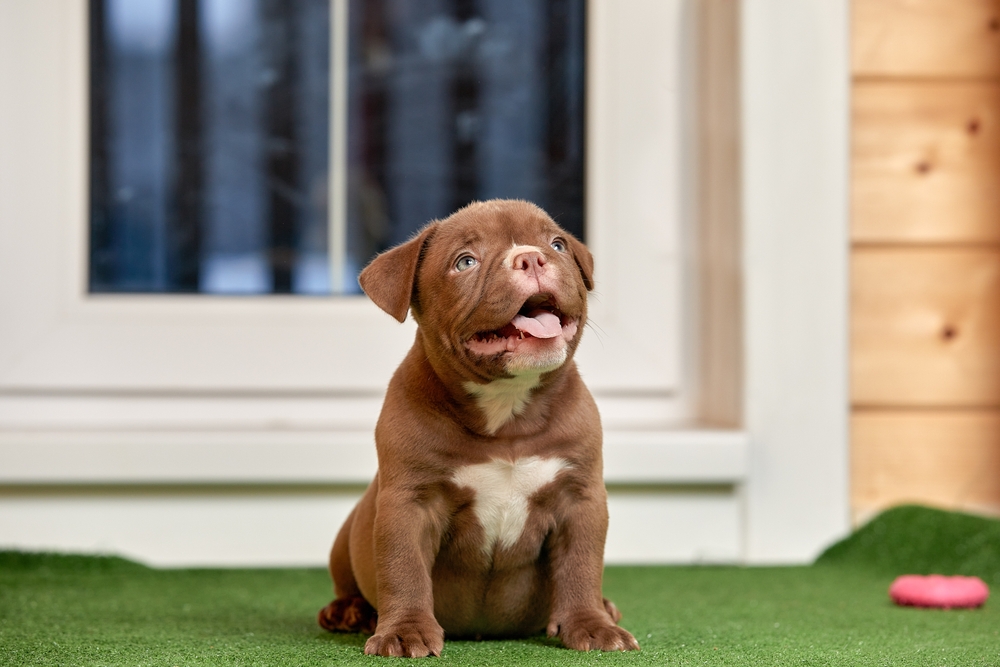
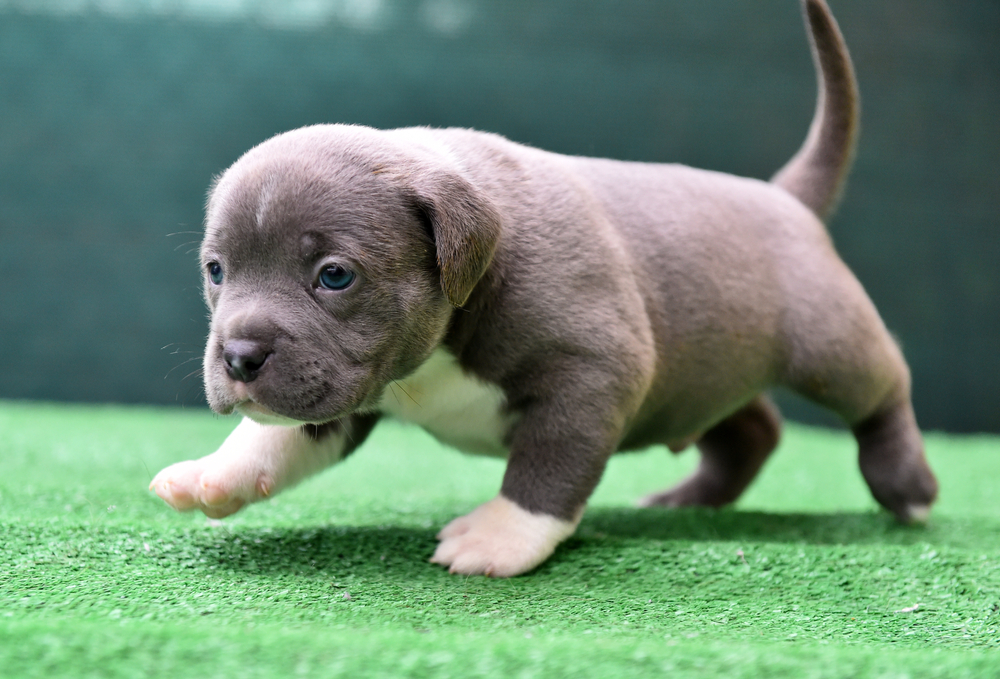
cute American Bully puppy sitting on grass looking playful and curious with compact muscular build

Training your American Bully the right way early on is what separates:

✔️ Calm, obedient companions
❌ From dogs with behavior problems

The good news?
Micro Bullies are highly trainable when given structure and consistency.

In this guide, we’ll show you exactly how to train your puppy from 8 weeks to 6 months.


🔗 Table of Contents

  • When to Start Training
  • Training Foundations
  • Crate Training
  • Potty Training
  • Basic Commands
  • Leash Training
  • Behavior Correction
  • Training Schedule by Age
  • Common Mistakes
  • Final Thoughts

🧠 When to Start Training

👉 Start immediately (8 weeks)

Your puppy is always learning—even when you’re not training.

👉 The first step starts here:
First 7 Days With Your Micro Bully Puppy


🏗️ Training Foundations

Before commands, focus on:

✔️ Structure
✔️ Routine
✔️ Consistency

👉 This creates:

  • Predictability
  • Confidence
  • Calm behavior

👉 Build the foundation:
Preparing Your Home for a Micro Bully Puppy (link to: /prepare-for-micro-bully-puppy/)


🏠 Crate Training

Crate training helps with:
✔️ House training
✔️ Preventing destructive behavior
✔️ Creating a safe space

✔️ Tips:

  • Keep sessions short
  • Make it comfortable
  • Never use as punishment

🚽 Potty Training

✔️ Keys to success:

  • Take puppy out frequently
  • Reward immediately
  • Stick to a schedule

👉 Consistency = faster results


🎯 Basic Commands to Teach Early

Start with:

✔️ Name recognition
✔️ Sit
✔️ Stay
✔️ Come

💡 Keep sessions:

  • Short (5–10 minutes)
  • Positive
  • Reward-based

🦮 Leash Training

Start early:

  • Use short sessions
  • Reward walking calmly
  • Avoid pulling habits

👉 This prevents:

  • Future control issues
  • Frustration on walks

⚠️ Behavior Correction

Correct behavior early—before it becomes a habit.

Common issues:

  • Biting
  • Jumping
  • Chewing

✔️ Fix:

  • Redirect behavior
  • Stay consistent
  • Reward calm actions

👉 Learn more:
American Bully Behavior Problems & Fixes


📅 Training Schedule by Age

🐶 8–12 Weeks

  • Basic commands
  • Crate training
  • Socialization

👉 See guide:
Micro Bully Puppy Socialization


🐾 3–4 Months

  • Reinforce commands
  • Leash training
  • Routine consistency

🐕 5–6 Months

  • Advanced commands
  • Behavior refinement
  • Increased structure

⚠️ Common Training Mistakes

❌ Inconsistency
❌ Too much freedom
❌ Lack of routine
❌ Punishment-based training

👉 These lead to:

  • Confusion
  • Anxiety
  • Behavior problems

🧠 Pro Training Tips

✔️ Use positive reinforcement
✔️ Keep sessions short
✔️ Train daily
✔️ Stay patient

👉 Understand temperament:
American Bully Temperament Explained


🐶 Final Thoughts

To properly train your Micro Bully puppy:

✔️ Start early
✔️ Stay consistent
✔️ Build structure

👉 Do this right, and you’ll raise:
A calm, confident, well-behaved American Bully


🔥 Ready for a Well-Trained Micro Bully?

Looking for a puppy bred for temperament, structure, and trainability?

👉 View Available Puppies

📞 Call/Text: (614) 507-9702

📍 Serving Pennsylvania, Ohio & New York
🌎 Nationwide delivery available


🧭 NAVIGATION FOOTER


🐾 Puppy Authority Series


🧠 American Bully Education


🎯 Behavior & Development


🐶 Puppies & Locations

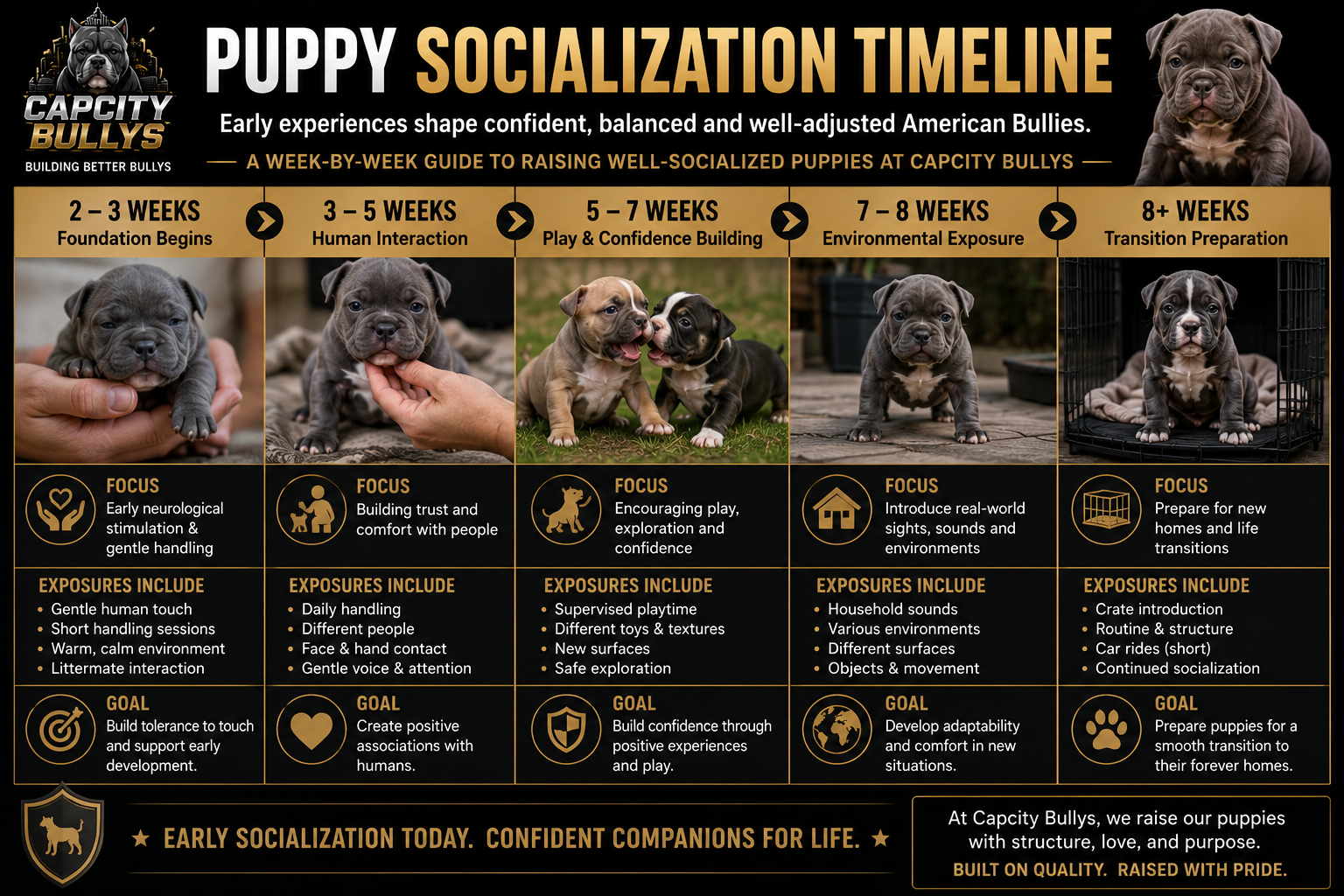
🐾 How to Socialize a Micro Bully Puppy (Step-by-Step Guide)

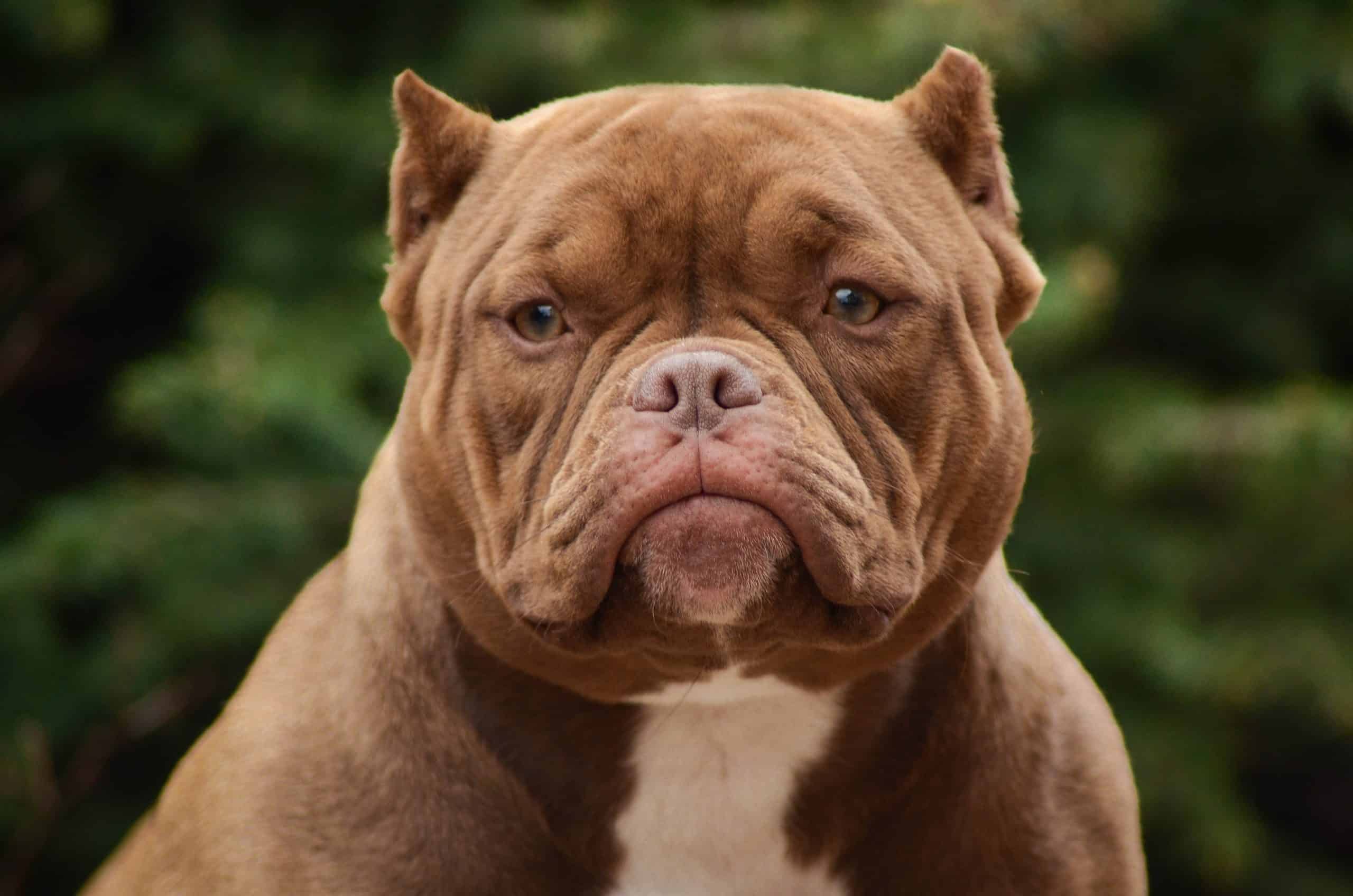
cute American Bully puppy on isolated background looking at camera with friendly expression and compact build

Socialization is one of the most important parts of raising a well-balanced American Bully.

If done correctly, your puppy will grow into:
✔️ A confident companion
✔️ A calm, stable dog
✔️ A people-friendly family member

If done wrong—or skipped—you risk:
❌ Fearful behavior
❌ Reactivity
❌ Long-term behavior problems

In this guide, we’ll break down exactly how to socialize a Micro Bully puppy the right way.


🔗 Table of Contents

  • What Is Puppy Socialization?
  • The Critical Socialization Window
  • Step-by-Step Socialization Plan
  • Socializing With People
  • Socializing With Dogs
  • Environmental Exposure
  • Common Mistakes to Avoid
  • Final Thoughts

🧠 What Is Puppy Socialization?

Socialization is the process of introducing your puppy to:

  • People
  • Dogs
  • Sounds
  • Environments

👉 The goal:
To build confidence—not fear


⏳ The Critical Socialization Window

The most important period is:

👉 8 to 16 weeks old

During this time, your puppy is:

  • Highly impressionable
  • Learning what’s “normal”
  • Forming lifelong behavior patterns

👉 Learn how early routines matter:
First 7 Days With Your Micro Bully Puppy


🐾 Step-by-Step Socialization Plan

Week 1–2:

  • Introduce immediate family
  • Explore home environment
  • Gentle handling

Week 3–4:

  • Introduce new people
  • Short outdoor exposure
  • Light new sounds

Week 5+:

  • Controlled dog interactions
  • New environments
  • Car rides

💡 Always keep experiences:
✔️ Positive
✔️ Controlled
✔️ Gradual


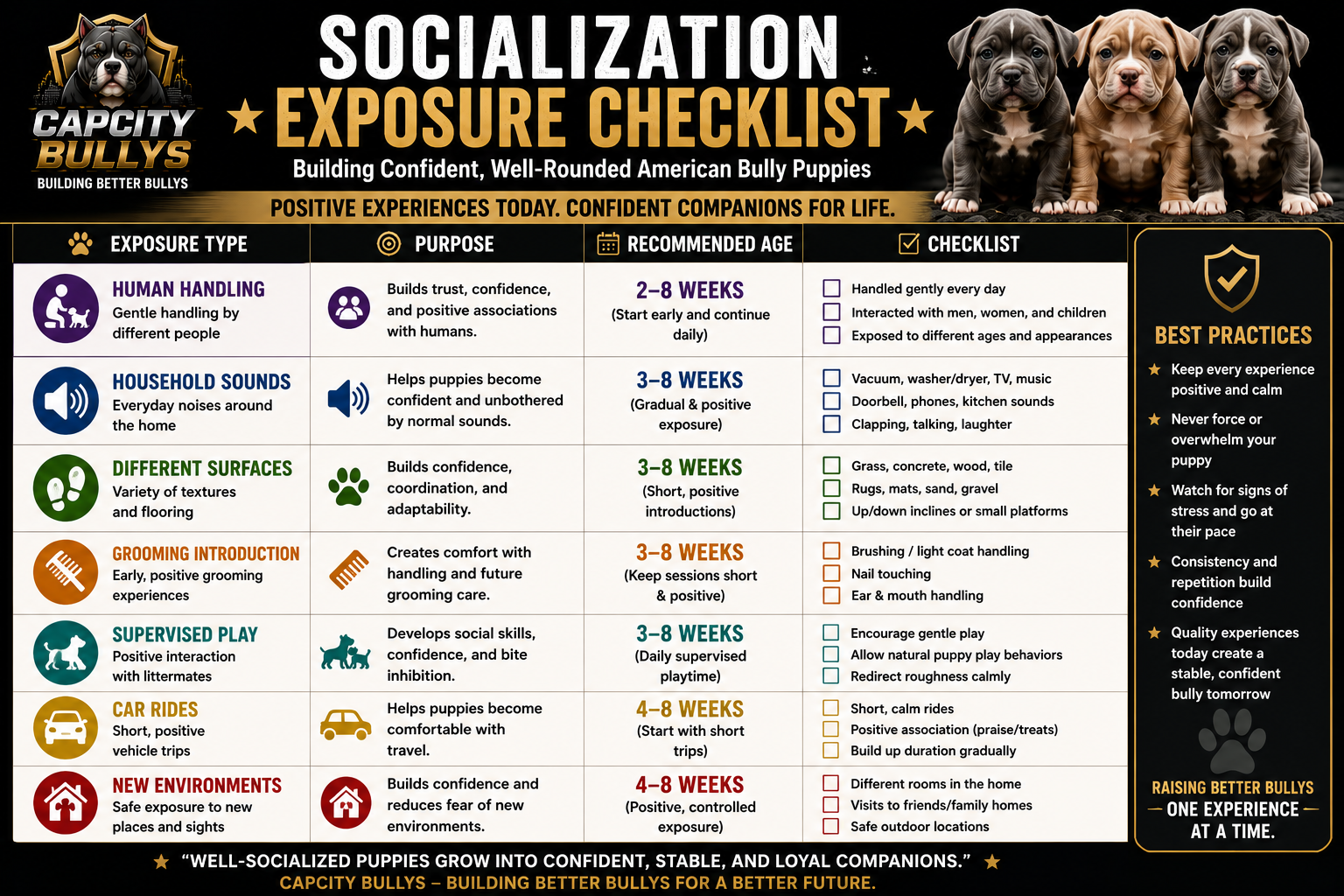
👨‍👩‍👧 Socializing With People

Expose your puppy to:

  • Adults
  • Children
  • Different appearances

✔️ Tips:

  • Keep interactions calm
  • Reward relaxed behavior
  • Avoid overwhelming situations

👉 This builds:
Confidence + trust


🐕 Socializing With Other Dogs

✔️ Best approach:

  • Controlled introductions
  • Well-behaved dogs only
  • Supervised interactions

❌ Avoid:

  • Dog parks too early
  • Aggressive dogs
  • Overcrowded environments

👉 Learn behavior foundations:
American Bully Temperament Explained


🌆 Environmental Exposure

Introduce your puppy to:

  • Different surfaces (grass, pavement)
  • Sounds (traffic, household noise)
  • Locations (parks, neighborhoods)

💡 The goal:
👉 “This is normal” mindset


⚠️ Common Socialization Mistakes

❌ Too much too fast
❌ Negative experiences
❌ Lack of consistency
❌ Waiting too long

👉 These can lead to:

  • Fear
  • Anxiety
  • Reactivity

👉 Learn how to prevent issues:
American Bully Behavior Problems & Fixes


🧠 Pro Tips for Success

✔️ Keep sessions short and positive
✔️ Use rewards (treats, praise)
✔️ Watch body language
✔️ End on a good experience

👉 Training support:
Best Training Methods for American Bullies


🐶 Final Thoughts

To properly socialize a Micro Bully puppy, focus on:

✔️ Early exposure
✔️ Positive experiences
✔️ Consistency

Do this right, and you’ll raise:
👉 A confident, stable, well-balanced dog


🔥 Ready for a Well-Raised Micro Bully?

Looking for a puppy bred with temperament and structure in mind?

👉 View Available Puppies

📞 Call/Text: (614) 507-9702

📍 Serving Pennsylvania, Ohio & New York
🌎 Nationwide delivery available


🧭 NAVIGATION FOOTER


🐾 Puppy Authority Series


🧠 American Bully Education


🎯 Training & Behavior


🐶 Puppies & Locations

🐾 What to Feed a Micro Bully Puppy (Complete Feeding Guide)

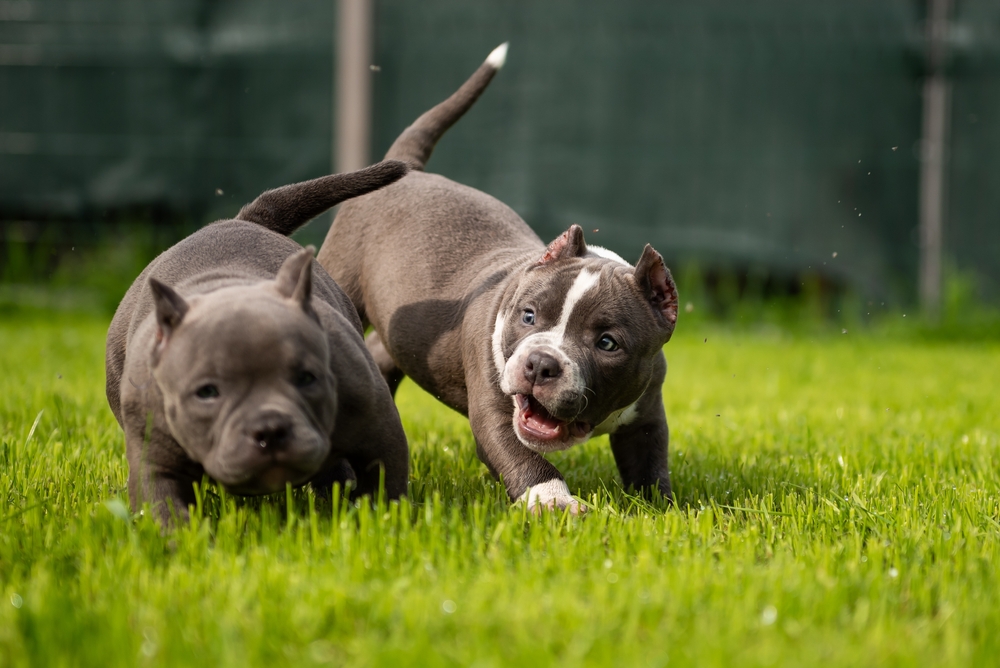
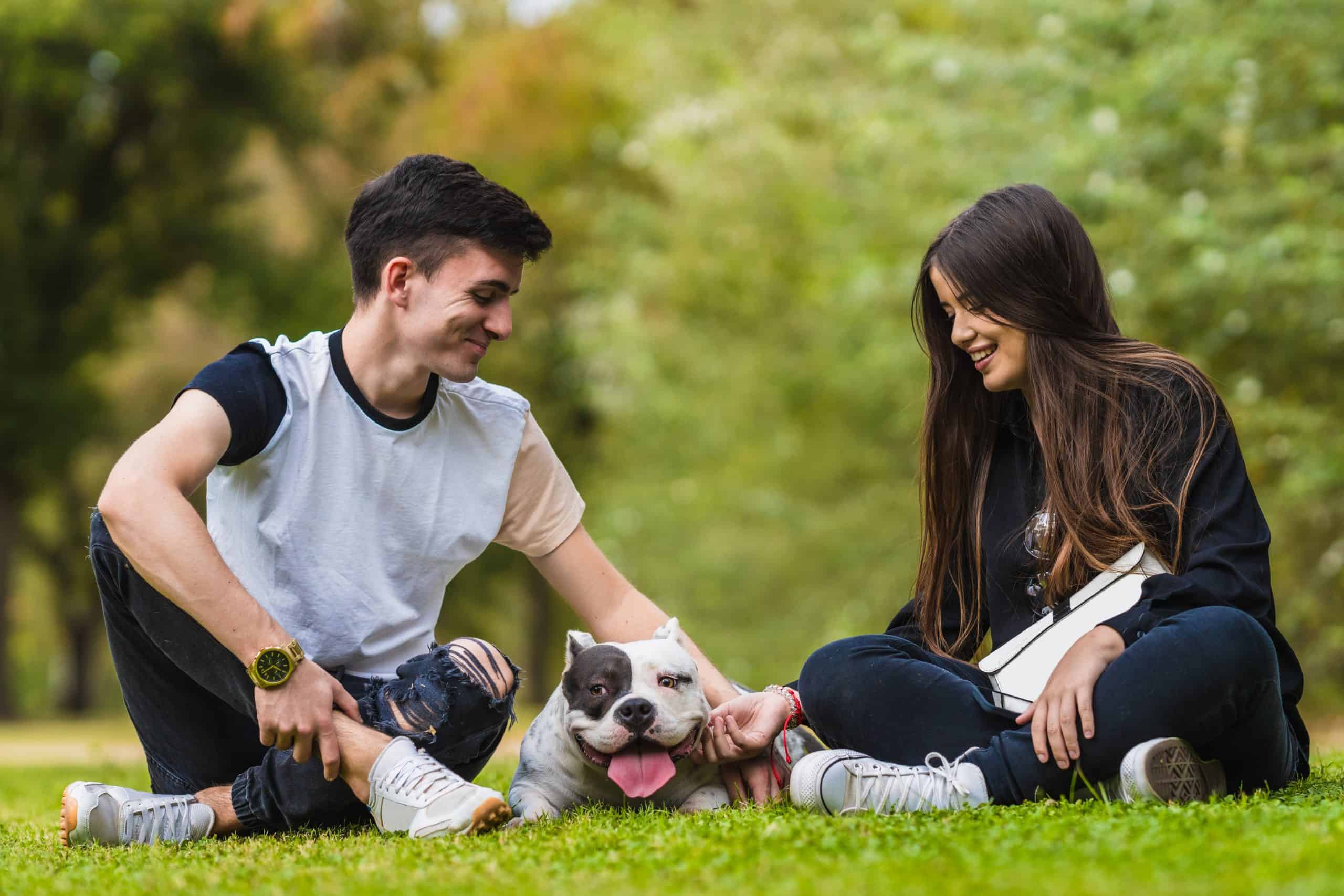
American Bully puppies playing on green grass outdoors showing playful behavior and healthy development

Bringing home a American Bully is exciting—but knowing what to feed a Micro Bully puppy is one of the most important decisions you’ll make.

👉 Proper nutrition directly impacts:
✔️ Growth
✔️ Muscle development
✔️ Temperament
✔️ Long-term health

In this complete guide, we’ll break down exactly what your Micro Bully puppy needs to thrive.


🔗 Table of Contents

  • What Do Micro Bully Puppies Need Nutritionally?
  • Best Food Types for Micro Bullies
  • Feeding Schedule by Age
  • Portion Control & Avoiding Overfeeding
  • Foods to Avoid
  • Supplements (Do You Need Them?)
  • Common Feeding Mistakes
  • Final Thoughts

🧠 What Do Micro Bully Puppies Need Nutritionally?

Micro Bullies are a muscular, compact breed, which means they need:

✔️ High-quality protein (for muscle growth)
✔️ Healthy fats (for energy & coat)
✔️ Balanced calcium & phosphorus (for bone development)

👉 Nutrition plays a huge role in behavior too:
American Bully Temperament Explained


🍖 Best Food Types for Micro Bullies

🥇 High-Quality Dry Kibble

  • Convenient and balanced
  • Look for real meat as the first ingredient

🥈 Raw Diet (Advanced Owners)

  • Natural and protein-rich
  • Requires proper balance and knowledge

🥉 Wet / Fresh Food

  • Great for picky eaters
  • Can be mixed with kibble

💡 The key:
👉 Quality over brand hype


📅 Feeding Schedule by Age

🐶 8–12 Weeks

  • 3–4 meals per day
  • Small portions

🐾 3–6 Months

  • 3 meals per day

🐕 6+ Months

  • 2 meals per day

👉 Build structure early:
First 7 Days With Your Micro Bully Puppy


⚖️ Portion Control & Avoiding Overfeeding

Micro Bullies can gain weight easily if overfed.

✔️ Tips:

  • Follow feeding guidelines on food label
  • Adjust based on activity level
  • Monitor body condition

👉 Overfeeding leads to:
❌ Obesity
❌ Joint stress
❌ Lower energy


⚠️ Foods to Avoid

Never feed your puppy:

❌ Chocolate
❌ Grapes / raisins
❌ Onions / garlic
❌ Cooked bones
❌ Excess human food

👉 Keep your home safe:
Preparing Your Home for a Micro Bully Puppy


💊 Supplements (Do You Need Them?)

Not always—but can help in some cases.

Common options:

  • Fish oil (skin & coat)
  • Joint support
  • Vitamins (if diet lacks balance)

💡 Always consult before adding supplements.


🚫 Common Feeding Mistakes

Avoid these:

❌ Switching food too often
❌ Overfeeding
❌ Feeding low-quality food
❌ No feeding schedule

👉 These can cause:

  • Digestive issues
  • Behavior problems
  • Poor development

🧠 Final Thoughts

Feeding your puppy correctly is one of the most important parts of ownership.

To properly follow a Micro Bully puppy feeding guide, focus on:

✔️ Consistency
✔️ Quality nutrition
✔️ Proper portions

👉 Do this right, and you’ll raise:
A strong, healthy, well-balanced American Bully


🔥 Ready for a Well-Bred Micro Bully?

Looking for a puppy raised with proper nutrition, structure, and care?

👉 View Available Puppies

📞 Call/Text: (614) 507-9702

📍 Serving Pennsylvania, Ohio & New York
🌎 Nationwide delivery available


🧭 NAVIGATION FOOTER


🐾 Puppy Preparation Series


🧠 American Bully Education


🎯 Training & Behavior


🐶 Puppies & Locations

🐾 First 7 Days With Your Micro Bully Puppy (What to Expect & What to Do)

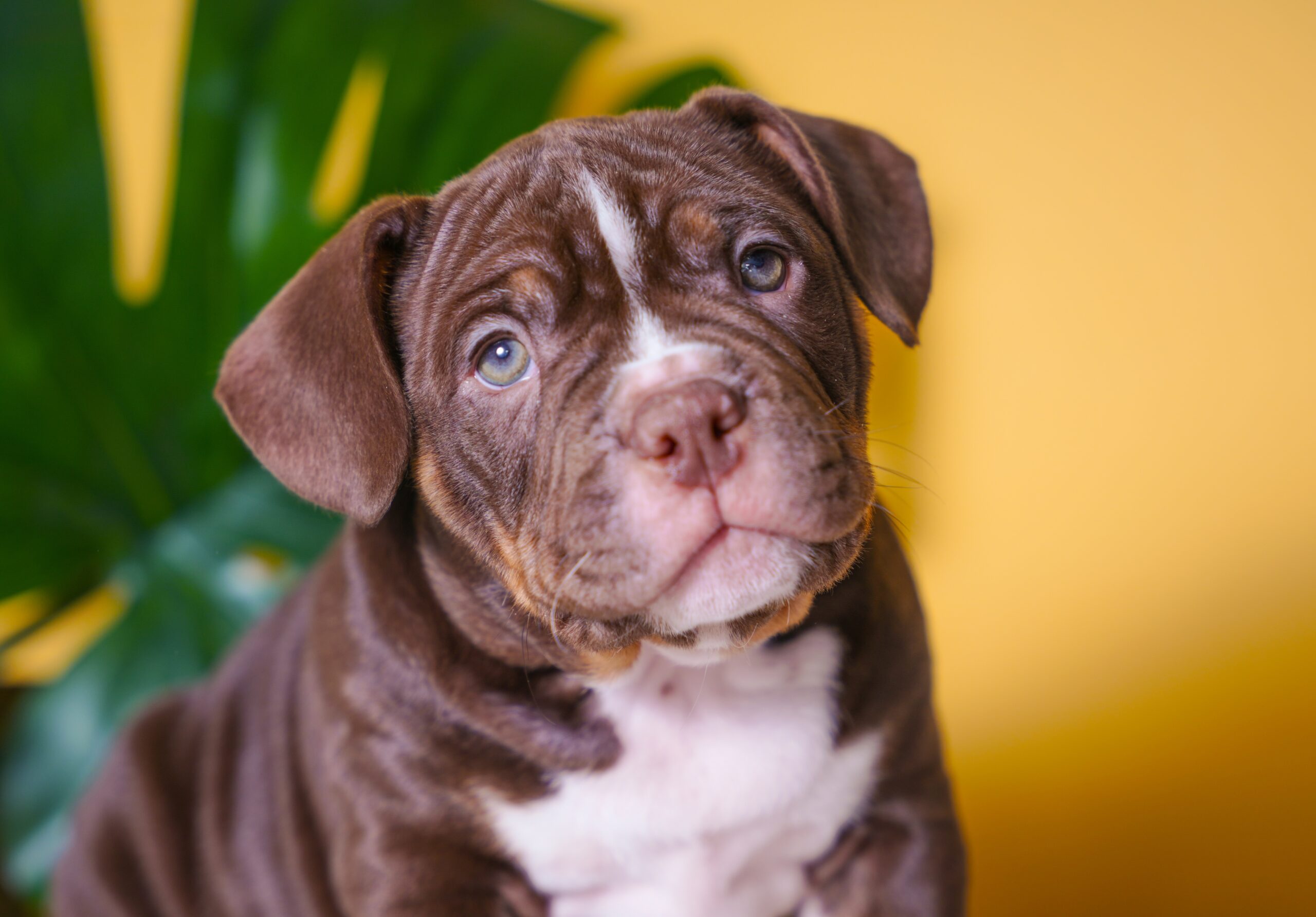
cute American Bully puppy portrait on yellow background with monstera leaf showing playful expression and compact build

Bringing home a American Bully is exciting—but the first 7 days are critical.

This is where:
✔️ Habits begin
✔️ Trust is built
✔️ Behavior patterns form

If you handle this phase correctly, you set your Micro Bully puppy up for a calm, confident future.


🔗 Table of Contents

  • What to Expect the First Week
  • Day 1: Bringing Your Puppy Home
  • Days 2–3: Adjustment Period
  • Days 4–5: Building Routine
  • Days 6–7: Introducing Structure
  • First Week Do’s & Don’ts
  • Final Thoughts

🧠 What to Expect the First Week

Your puppy is experiencing:

  • A new environment
  • New people
  • New routines

👉 Expect:

  • Shyness or quiet behavior
  • Occasional whining
  • Exploration and curiosity

👉 This is normal—don’t overwhelm them.

👉 Start with preparation basics:
Preparing Your Home for a Micro Bully Puppy


🐶 Day 1: Bringing Your Puppy Home

Focus: Comfort & Security

✔️ Show them their crate
✔️ Keep environment calm
✔️ Limit visitors

💡 This is NOT the day for excitement—it’s about stability


🐾 Days 2–3: Adjustment Period

Focus: Routine Begins

Start:

  • Feeding at set times
  • Regular potty breaks
  • Light interaction

👉 Avoid:
❌ Overhandling
❌ Too much stimulation

👉 Learn about temperament:
American Bully Temperament Explained


📅 Days 4–5: Building Routine

Focus: Consistency

By now your puppy should:

  • Recognize feeding times
  • Begin understanding their environment
  • Start forming habits

Introduce:
✔️ Short training sessions
✔️ Basic commands (name, sit)

👉 Training guide:
Best Training Methods for American Bullies


🏗️ Days 6–7: Introducing Structure

Focus: Leadership & Calm Behavior

Now you begin:

  • Reinforcing calm behavior
  • Creating boundaries
  • Strengthening routine

👉 This is where:
Good habits → long-term behavior

👉 Learn structure:
How to Raise a Calm American Bully


⚠️ First Week Do’s & Don’ts

✔️ Do:

  • Stick to a routine
  • Keep environment calm
  • Be consistent

❌ Don’t:

  • Give too much freedom
  • Overstimulate
  • Ignore structure

👉 Most behavior problems start here:
American Bully Behavior Problems & Fixes


🛡️ Common Mistakes

❌ Letting puppy roam freely too soon
❌ No schedule
❌ Too much excitement early

👉 Result:

  • Anxiety
  • Hyperactivity
  • Poor habits

🐶 Final Thoughts

The first 7 days shape everything.

If you:
✔️ Stay consistent
✔️ Build structure
✔️ Keep things calm

You’ll raise:
👉 A confident, well-balanced Micro Bully


🔥 Ready for Your Micro Bully?

💬
“Looking for a Micro Bully built on structure, temperament, and proven bloodlines? Explore our available puppies and upcoming litters today.”

👉 View Available Puppies

📞 Call/Text: (614) 507-9702

📍 Serving Pennsylvania, Ohio & New York
🌎 Nationwide delivery available


🧭 NAVIGATION FOOTER


🐾 Puppy Preparation & First Steps


🧠 American Bully Education


🎯 Training & Behavior


🐶 Puppies & Locations


🐾 Preparing Your Home for a Micro Bully Puppy (Complete Setup Guide)

cute American Bully puppy posing with playful expression and compact muscular build

Bringing home a American Bully is an exciting moment—but preparation is everything.

If you want a smooth transition and a well-adjusted puppy, you need to prepare your home for a Micro Bully puppy the right way.

This guide walks you through everything you need:
✔️ Crate setup
✔️ Feeding area
✔️ Puppy-proofing
✔️ Daily routine


🧠 Why Preparation Matters

Micro Bullies thrive on:

  • Structure
  • Consistency
  • Calm environments

👉 The better you prepare, the easier it is to:

  • Prevent behavior problems
  • Build confidence
  • Create a calm, balanced dog

👉 Learn more about temperament:
American Bully Temperament Explained


🏡 Crate Setup (Your Puppy’s Safe Space)

A crate is one of the most important tools for raising a Micro Bully puppy.

✔️ What to Include:

  • Comfortable bed or crate mat
  • Soft blanket
  • Safe chew toy

✔️ Placement:

  • Quiet but not isolated area
  • Near family activity (living room is ideal)

✔️ Why It Works:

  • Creates security
  • Helps with house training
  • Prevents destructive behavior

💡 Think of the crate as your puppy’s den—not a punishment


🍽️ Feeding Area Setup

Consistency in feeding builds structure and stability.

✔️ Setup Tips:

  • Choose a fixed feeding location
  • Use stainless steel or non-slip bowls
  • Keep water available at all times

✔️ Feeding Routine:

  • Feed at the same times daily
  • Remove uneaten food after 15–20 minutes

👉 Learn more about dog nutrition:
Dog Nutrition Basics


⚠️ Puppy-Proofing Your Home

Micro Bully puppies are curious—and will explore everything.

🔒 Remove or Secure:

  • Electrical cords
  • Shoes and small objects
  • Toxic plants
  • Cleaning supplies

🛋️ Protect:

  • Furniture edges
  • Rugs and carpets
  • Trash bins

💡 If they can reach it—they’ll investigate it.


📅 Routine Setup (THE MOST IMPORTANT STEP)

Routine is what separates:
✔️ Calm, balanced dogs
❌ From chaotic, hyper dogs


🐾 Sample Daily Routine:

Morning

  • Potty break
  • Feeding
  • Short walk or play

Midday

  • Rest + crate time
  • Light activity

Evening

  • Feeding
  • Training session
  • Relaxation

👉 Learn how routine creates calm behavior:
How to Raise a Calm American Bully


🎯 Pro Tips for a Smooth Transition

✔️ Keep the environment calm the first few days
✔️ Limit visitors initially
✔️ Stick to a routine immediately
✔️ Start basic training early

👉 Training guide:
Best Training Methods for American Bullies


🛡️ Common Mistakes to Avoid

❌ No routine
❌ Too much freedom too early
❌ Inconsistent feeding/training
❌ Overstimulation

👉 These lead to:

  • Anxiety
  • Hyperactivity
  • Behavior issues

🐶 Final Thoughts

To properly prepare for a Micro Bully puppy, focus on:

✔️ Structure
✔️ Safety
✔️ Consistency

When done right, you’ll raise:
👉 A calm, confident, well-balanced companion


🔥 Ready for Your Micro Bully?

Looking for a well-bred Micro Bully puppy raised with care and structure?

👉 View Available Puppies

📞 Call/Text: (614) 507-9702


📍 Serving Families Across

🌎 Nationwide delivery available


🧭 Navigation Footer — Capcity Bullys


🐾 Puppy Preparation & Ownership


🧠 American Bully Education


🐶 Available Puppies & Services


📍 Locations We Serve


📚 Dog Owner Resources


🔥 Footer CTA

🐾 Ready to bring home your Micro Bully puppy?

👉 View Available Puppies Now

📞 Call/Text: (614) 507-9702

🌎 Nationwide delivery available

🏡 Preparing for an American Bully Puppy (Capcity Edition)

American Bully puppy being held securely with hands, showing confident posture and healthy structure

Bringing an American Bully puppy into your home is not an impulse decision—it’s a long-term commitment that shapes the dog’s health, behavior, and quality of life for years to come. At Capcity Bullys, we believe preparation is the first act of responsible ownership.

This guide is designed for future owners who want to do things right from the beginning. It outlines what should be in place before a puppy arrives, how preparation supports temperament and structure, and why lifestyle alignment matters just as much as pedigree.

Preparation doesn’t make ownership harder—it makes it smoother, calmer, and more successful for both the dog and the family.


Why Preparation Matters for the American Bully

American Bullies are people-focused, confident, and emotionally aware dogs. When raised in a structured environment with clear expectations, they develop into stable, affectionate companions. When brought into unprepared homes, even well-bred puppies can struggle during the transition.

Proper preparation supports:

  • Faster emotional adjustment
  • Reduced anxiety and overstimulation
  • Clear communication and boundaries
  • Healthier long-term behavior

Preparation isn’t about perfection—it’s about clarity.


Creating a Safe and Structured Environment

Before your puppy arrives, the home environment should be intentionally prepared.

Puppy-Safe Living Space

Key steps include:

  • Removing loose cords, shoes, and small objects
  • Securing trash cans and cleaning supplies
  • Blocking access to stairs or restricted rooms if needed
  • Creating a quiet resting area away from constant activity

American Bully puppies are curious and confident, but unfamiliar environments can quickly become overwhelming if too many variables are introduced at once.

Managing Stimulation Early

In the first days and weeks:

  • Limit access to the entire home
  • Reduce visitor traffic
  • Keep noise levels moderate
  • Allow the puppy to observe and adapt gradually

Structure builds confidence. Chaos creates stress.


Establishing Routine From Day One

Dogs thrive on predictability. A consistent daily rhythm helps your American Bully understand what to expect and how to settle into their new home.

Important routine elements:

  • Scheduled feeding times
  • Regular potty breaks
  • Calm rest periods
  • Short, positive engagement sessions
  • Predictable sleep schedules

Consistency reduces anxiety and accelerates learning.


Preparing for Early Training and Boundaries

Training does not begin weeks after arrival—it begins immediately.

Early goals should focus on:

  • Name recognition
  • Calm behavior reinforcement
  • Gentle handling tolerance
  • Leash familiarity
  • Positive exposure to household sounds

Training at this stage is not about obedience—it’s about communication.

For a structured foundation, continue with:
👉 American Bully Training Fundamentals


Socialization Planning Before Arrival

Responsible owners plan socialization before the puppy ever steps into the home.

Preparation includes:

  • Deciding which people the puppy will meet early
  • Planning calm, controlled exposure
  • Setting boundaries for children and visitors
  • Avoiding overwhelming environments

Socialization should be intentional—not improvised.

For a deeper understanding of early development, see:
👉 American Bully Puppy Socialization


Aligning Lifestyle With the Breed

Preparation is not just about supplies—it’s about honesty.

Ask yourself:

  • Do we have time for daily interaction and structure?
  • Can we provide calm leadership consistently?
  • Is our household environment stable and predictable?

American Bullies thrive when their emotional and physical needs align with their owners’ lifestyle.

For broader lifestyle considerations, explore:
👉 Modern Dog Living


Essential Supplies Checklist

Before pickup or delivery, ensure you have:

  • Appropriately sized crate or resting area
  • Comfortable, easy-to-clean bedding
  • Heavy-duty food and water bowls
  • Age-appropriate chew toys
  • Collar or harness with proper fit
  • Leash for controlled walking
  • Basic grooming tools

Having essentials ready prevents unnecessary stress during the adjustment period.


Preparing With Intention

At Capcity Bullys, we don’t believe preparation is optional—it’s foundational. Owners who prepare thoughtfully are better equipped to:

  • Support emotional stability
  • Prevent avoidable behavior issues
  • Build trust faster
  • Maintain structure through adolescence

Preparation is an investment in the dog’s future—and your experience as an owner.

When you’re ready to take the next step responsibly, explore:
👉 Puppies for Sale


📘 Continue Learning With Capcity Bullys

American Bully Training Fundamentals
American Bully Puppy Socialization
Why Capcity Bullys Focuses on Structure, Temperament & Pedigree
Modern Dog Living: Lifestyle & Ownership Alignment

Tips for First-Time Puppy Parents: Raising Your American Bully with Confidence

American Bully Puppy out for a walk in the Fall

Bringing home your first American Bully puppy is an exciting and meaningful milestone. Known for their loyalty, confidence, and people-focused temperament, American Bullies thrive when raised with structure, patience, and consistency.

For first-time puppy parents, understanding the breed’s needs early helps set the foundation for a confident, well-adjusted companion. The following tips are designed to guide new owners through the early stages of raising an American Bully with clarity and confidence.


🐶 1. Understand the American Bully Breed

The American Bully is often misunderstood due to appearance alone. While muscular and powerful in build, the breed was developed to be stable, affectionate, and human-oriented.

Learning the breed’s purpose, temperament, and development expectations is an essential first step for any new owner.
👉 Learn more about the breed here:
https://www.theamericanbullybreed.com/what-is-an-american-bully

At Capcity Bullys, we believe education is the foundation of responsible ownership.


⏰ 2. Establish a Routine Early

Consistency builds confidence—especially in puppies. Creating predictable daily routines helps your American Bully feel secure and understand expectations.

Focus on:

  • Regular feeding times
  • Structured play and short walks
  • Consistent rest and sleep areas

A calm routine supports emotional balance and reduces overstimulation during early development.


🌍 3. Prioritize Early Socialization

Socialization is one of the most important factors in shaping a well-rounded American Bully. Early, positive exposure to people, sounds, and environments helps prevent fear-based behaviors later in life.

Safe socialization includes:

  • Short car rides
  • Calm introductions to new people
  • Exposure to household noises
  • Controlled interactions with friendly dogs

Understanding breed temperament helps guide appropriate social experiences.
👉 Learn more about American Bully temperament here:
https://www.theamericanbullybreed.com/american-bully-temperament-and-personality-guide


🎓 4. Begin Training From Day One

Training should start as soon as your puppy comes home. Even young puppies can learn foundational behaviors when training is kept short, positive, and consistent.

Focus on:

  • Basic commands (sit, come, leave it)
  • Calm behavior around people
  • Rewarding focus and engagement

Positive reinforcement builds trust and strengthens the bond between puppy and owner.


🦴 5. Manage Chewing and Teething

Chewing is a natural and necessary behavior for puppies, especially during teething phases. Redirecting chewing to appropriate outlets helps protect your home and teaches boundaries.

Helpful strategies include:

  • Durable chew toys
  • Teething rings
  • Rotating toys to maintain interest

Reward calm choices rather than punishing mistakes.


🧠 6. Balance Physical and Mental Stimulation

American Bullies benefit from both physical activity and mental engagement. Balance is key—overexertion should be avoided during growth stages.

Consider:

  • Short, structured walks
  • Puzzle toys and enrichment games
  • Training sessions that challenge focus

Understanding size and structure helps guide appropriate activity levels.
👉 Learn more about American Bully size classes:
https://www.theamericanbullybreed.com/american-bully-size-classes-explained


🩺 7. Support Healthy Growth and Wellness

Healthy development starts with proper care, nutrition, and regular veterinary guidance. Puppies grow rapidly, and long-term wellbeing depends on responsible support during these stages.

Owners should focus on:

  • Balanced nutrition
  • Routine wellness checks
  • Monitoring growth and movement

For a deeper look at long-term care considerations, explore:
👉 https://www.theamericanbullybreed.com/american-bully-health-and-care-guide


🚧 8. Set Clear Boundaries Early

Because American Bullies are strong and confident dogs, teaching boundaries early is essential. Puppies benefit from consistent rules that reinforce calm, respectful behavior.

Important principles include:

  • Teaching off-limits areas
  • Avoiding rough play that encourages jumping
  • Rewarding calm interactions

Structure helps puppies understand expectations and promotes stability as they mature.


🕰️ 9. Be Patient and Consistent

Puppies go through developmental phases that test boundaries. Progress is not always linear, and patience plays a critical role in successful training.

Consistency over time builds:

  • Trust
  • Confidence
  • Long-term reliability

Responsible ownership means staying committed through every stage of growth.


❤️ 10. Enjoy the Journey

Raising an American Bully is about more than training—it’s about building a lifelong bond. These dogs thrive on companionship and structure, and when guided thoughtfully, they become loyal, confident family members.

Education, patience, and consistency create the foundation for a fulfilling experience for both dog and owner.


🧾 Learn More About Our Approach

This article reflects the same principles outlined in our core standards as a breeding program.

👉 Learn more about who we are:
About Us/about-capcity-bullys

👉 Learn more about how we apply these values:
Our Breeding Philosophy/american-bully-breeding-philosophy

Bringing Your Micro American Bully Puppy Home: The First 30 Days

American Bully Puppy | Capcity Bullys

Bringing home a Micro American Bully puppy is an exciting milestone. The first 30 days are a critical adjustment period that sets the foundation for your puppy’s confidence, behavior, health, and long-term bond with your family.

Micro Bullies are intelligent, people-focused dogs that thrive on structure, routine, and calm leadership. Understanding what to expect—and how to prepare—helps ensure a smooth transition for both you and your puppy.

This guide walks you through the first month of Micro Bully ownership, from preparation and routine to socialization and training.


Week 1: Settling In & Building Trust

Create a Calm Environment

The first few days should focus on security and consistency.

  • Limit visitors initially

  • Keep the environment quiet and predictable

  • Establish a designated sleeping and resting area

Micro Bullies form strong attachments quickly, and a calm start helps reduce anxiety and overstimulation.

For a deeper understanding of Micro Bully temperament and emotional needs, see:
👉 American Bully Temperament & Personality Guide (The American Bully Breed)


Establish a Routine Immediately

Structure builds confidence.

Start consistent schedules for:

  • Feeding

  • Potty breaks

  • Playtime

  • Rest

Puppies learn faster when expectations are clear. Even small routines help your Micro Bully understand what comes next.


Week 2: Socialization Begins

Introduce New Experiences Gradually

Early socialization shapes long-term behavior.

During week two:

  • Introduce household sounds (TV, vacuum, doorbells)

  • Allow controlled interactions with trusted people

  • Begin short car rides

Micro Bullies benefit from positive exposure, not overwhelming stimulation.

For a full breakdown of early social development, visit:
👉 Understanding the American Bully Breed: Characteristics & Temperament (The American Bully Breed)


Start Name Recognition & Engagement

This is the perfect time to begin:

  • Name recognition

  • Eye contact exercises

  • Gentle handling

Use calm praise and rewards. Avoid overstimulation or harsh corrections.


Week 3: Training Foundations

Begin Basic Training

Micro Bullies are intelligent and eager to learn when training is consistent.

Focus on:

  • Sit

  • Come

  • Crate introduction

  • Leash exposure

Short sessions (5–10 minutes) work best.

For guidance on building a strong training foundation, see:
👉 American Bully Training Tips: Building a Strong Bond (American Bully Breed)


Crate & Potty Training

Crates provide:

  • Structure

  • Safety

  • A sense of security

Potty training should follow:

  • Frequent breaks

  • Calm praise for success

  • Zero punishment for accidents

Consistency matters more than speed.


Week 4: Confidence, Independence & Routine Reinforcement

Encourage Calm Independence

Begin short periods of separation to prevent anxiety.

  • Step out briefly

  • Avoid dramatic departures or returns

  • Reward calm behavior

This helps prevent separation-related behaviors later.


Reinforce Healthy Activity Levels

Micro Bullies require balanced activity—not overexertion.

Daily needs include:

  • Short walks

  • Light play

  • Mental stimulation

Avoid excessive jumping or high-impact exercise during growth stages.

For age-appropriate activity guidance, see:
👉 Best Exercise Routines for American Bully Dogs (American Bully Breed)


Nutrition & Health in the First Month

Feed for Growth, Not Speed

Micro Bullies benefit from:

  • High-quality puppy nutrition

  • Controlled portions

  • Consistent feeding times

Overfeeding can stress joints and structure during development.

For nutrition fundamentals, visit:
👉 Nutritional Needs of the American Bully (American Bully Breed)


Veterinary Care

Schedule a vet visit within the first week to:

  • Establish baseline health

  • Review vaccination schedule

  • Discuss parasite prevention

Responsible care early supports long-term wellness.


Grooming & Handling Early On

Early handling builds tolerance and confidence.

Introduce:

  • Gentle brushing

  • Paw handling

  • Ear and mouth checks

This prepares your puppy for lifelong grooming and vet visits.

For grooming basics, see:
👉 Grooming Essentials for American Bully Owners (The American Bully Breed)


The Role of Responsible Breeding

A puppy’s first 30 days at home are influenced by the foundation laid before pickup.

At Capcity Bullys, we prioritize:

  • Stable temperament

  • Early social exposure

  • Proper developmental care

Responsible breeding plays a major role in how puppies adapt to new environments.

To learn more about ethical breeding standards, visit:
👉 Ethical American Bully Breeding Practices (The American Bully Breed)


Is Your Home Ready Long-Term?

The first month is only the beginning.

Successful Micro Bully ownership includes:

  • Ongoing training

  • Consistent routines

  • Lifelong education

Before bringing your puppy home, it’s important to understand how to choose the right fit for your lifestyle.
👉 Choosing the Right American Bully Puppy: Factors to Consider


Final Thoughts

The first 30 days with your Micro American Bully puppy are about trust, structure, and consistency—not perfection.

When puppies are given:

  • Calm leadership

  • Predictable routines

  • Positive guidance

They grow into confident, balanced companions.

At Capcity Bullys, we believe education is just as important as genetics. Supporting owners beyond pickup is part of responsible breeding—and the foundation for lifelong success.

How to Choose the Best American Bully Puppy for Your Family

The American Bully is a loyal, affectionate, and confident breed that makes a fantastic companion for families, individuals, and even breeders looking to enhance their program. With their muscular build, strong genetics, and loving temperament, American Bullies have become one of the most sought-after breeds. However, choosing the right American Bully puppy can be a daunting task, especially with various sizes, bloodlines, and temperaments to consider.

At Capcity Bullys, we take pride in breeding high-quality Micro Bullies with elite bloodlines, compact structure, and excellent temperament. If you’re searching for the perfect American Bully puppy for your home or breeding program, here are essential tips to help you make the right choice.


1. Understand the Different American Bully Classes

Before selecting a puppy, it’s crucial to understand the different American Bully categories as recognized by the American Bully Kennel Club (ABKC) and American Bully Registry (ABR)

American Bully Kennel Club Classes

Pocket Bully – Short and compact but heavily muscled. Typically 14 to 17 inches in height.

Standard Bully – Medium-sized with a balanced structure, ranging from 17-20 inches.

Classic Bully – Similar in size to the standard but with a lighter frame and less bulk.

XL Bully – The largest variation, standing over 20 inches with a massive build.

American Bully Registry Classes

Pocket Bully, Standard Bully, Classic Bully and XL Bully. It also excepts in it’s class the –

Micro Bully – A highly desired type, even smaller than the Pocket Bully, under 14 inches known for its extreme muscle density and compact body.

At Capcity Bullys, we specialize in Micro Bullies, which are short, thick, and muscular, perfect for those looking for an impressive yet manageable-sized dog.


2. Choosing the Right Bloodline for Quality and Pedigree

One of the most critical factors in choosing an American Bully puppy is its bloodline. A strong pedigree ensures that the puppy inherits the best qualities in terms of structure, temperament, health, and muscle tone. Some of the most elite American Bully bloodlines include:

🔥 Top Bloodlines to Look for:

Daxline – Known for thick bone, extreme muscle, and wide chests.

Razors Edge – Produces well-balanced, muscular, and family-friendly Bullies.

Gottiline – Features a strong, stocky build and an intimidating presence.

Miagi Bloodline – Compact, extreme features with a unique look.

Bape Bloodline – Micro sized Bullys with massive head structure and thick bone

Devilspit Bloodline – Known for short, muscular, and compact frames.

Bullsace Bloodline – Features a clean, thick, and powerful structure.

Our Bullys at Capcity Bullys is built on elite bloodlines, including Devilspit, Giagi, Bape and Bullsace, ensuring that each puppy has world-class genetics.


3. Selecting the Right Temperament for Your Lifestyle

While American Bullies may look tough, they are incredibly loving, affectionate, and loyal. However, each puppy may have a slightly different temperament.

💡 Questions to Ask When Choosing a Puppy:

✔️ Are you looking for a family companion, protection dog, or show-quality Bully?
✔️ Do you want a high-energy dog for an active lifestyle or a more laid-back pup?
✔️ Are you looking for a dominant or submissive temperament?

Different American Bully Temperaments:

Playful & Friendly – Ideal for families with kids.

Confident & Protective – Good for owners looking for security and protection.

Calm & Laid-Back – Best for low-energy homes.

Strong-Willed & Energetic – Perfect for experienced owners or breeding programs.

At Capcity Bullys, we assess our puppies’ personalities to match them with the right owners.


4. Evaluating Structure and Physical Features

A high-quality American Bully puppy should have the following ideal physical traits:

Thick, muscular build – Not overly lean or underdeveloped.

Compact and short body – Especially in Micro Bullies.

Blocky, well-defined head – A strong, wide skull with a pronounced jaw.

Straight back and strong chest – A clean structure without weak pasterns.

Proper bone density – Thick bone is a sign of a strong genetic line.

Our puppies at Capcity Bullys are bred for clean structure, extreme thickness, and a strong yet compact body, ensuring they meet high breed standards.


5. Checking Health and Genetic Testing

Health is a top priority when selecting an American Bully puppy. A responsible breeder will provide:

Health Certificates – Proof of vet check-ups and vaccinations.
Deworming & Vaccination Records – Ensuring the puppy is protected from diseases.
Genetic Testing – Screening parents for potential hereditary issues like hip dysplasia.
Proper Nutrition – Puppies should be fed a high-quality diet from birth.

At Capcity Bullys, all our puppies come with a health certificate, shot records, and American Bully Registry registration to guarantee their well-being.


6. Choosing a Reputable Breeder

Avoid puppy mills and inexperienced breeders when looking for a Micro Bully puppy. Instead, choose a breeder who:

Provides transparent health records and bloodline information.

Raises puppies in a clean, loving environment.

Prioritizes health, temperament, and structure.

Is knowledgeable about American Bully breeding and bloodlines.

At Capcity Bullys, we are committed to breeding excellence, ensuring that our Icon x Audi litter produces top-tier Micro Bullies.


7. Understanding Pricing and Availability

High-quality American Bully puppies come at a premium due to their genetics, structure, and demand. Some factors that affect pricing include:

💰 Bloodline Quality – Elite bloodlines command higher prices.
💰 Size & Structure – Compact, muscular pups with ideal traits are more valuable.
💰 Breeder Reputation – Reputable breeders charge more for top-tier puppies.

At Capcity Bullys, we price our Micro Bullies competitively while ensuring quality and care.


8. Preparing for Your New American Bully Puppy

Once you’ve chosen your perfect Micro Bully, it’s time to prepare for their arrival!

📌 Checklist for Bringing Your Puppy Home:
✔️ High-quality dog food & feeding bowls
✔️ Crate & cozy bedding
✔️ Durable chew toys & training treats
✔️ Collar, leash, & harness
✔️ Veterinarian appointment for a health check-up


Final Thoughts

Choosing the best American Bully puppy for your home or breeding program requires careful consideration of bloodline, temperament, structure, and health. By selecting a reputable breeder like Capcity Bullys, you can ensure you’re getting a top-quality Micro Bully with elite genetics and an exceptional temperament.

📢 Looking for a top-tier American Bully puppy?
Check out Capcity Bullys!

American Bully Growth Stages: From Puppy to Adult

The American Bully is a fascinating breed with a well-defined growth journey from a tiny puppy to a robust adult. Understanding these growth stages is essential for pet owners to provide appropriate care, nutrition, and training. Here’s a detailed exploration of the American Bully’s physical and behavioral development by age.


Neonatal Stage (Birth to 2 Weeks)

Physical Development

  • Puppies are born blind, deaf, and highly dependent on their mother.

  • Their primary activities include sleeping and nursing.

  • Weight gain is rapid, with puppies typically doubling their birth weight by the end of this stage.

Behavioral Development

  • Instinctive behaviors like rooting and suckling are evident.

  • Interaction is minimal, limited to seeking warmth and comfort from their mother and littermates.

Care Tips

  • Ensure the mother has a calm, warm, and safe environment.

  • Monitor for signs of undernourishment or developmental delays in puppies.


Transitional Stage (2 to 4 Weeks)

Physical Development

  • Eyes and ears begin to open, allowing the puppies to see and hear.

  • They start to develop basic motor skills, such as crawling and attempting to stand.

  • Milk teeth begin to emerge.

Behavioral Development

  • Puppies become more aware of their surroundings and begin interacting with littermates.

  • Early social behaviors, like play-fighting and tail wagging, appear.

Care Tips

  • Begin gentle handling to familiarize puppies with human touch.

  • Keep the environment clean and maintain the mother’s health to ensure adequate milk production.


Socialization Stage (4 to 12 Weeks)

Physical Development

  • Puppies grow rapidly, gaining strength and coordination.

  • By the end of this stage, most puppies are fully weaned and can eat solid food.

  • Vaccinations and deworming start during this period.

Behavioral Development

  • Critical period for socialization; puppies learn to interact with humans, other animals, and different environments.

  • Begin responding to basic training cues like “sit” or “come.”

Care Tips

  • Provide exposure to a variety of stimuli, including sounds, textures, and environments.

  • Start crate training and housebreaking to establish early routines.

  • Focus on positive reinforcement to build trust and encourage learning.


Juvenile Stage (3 to 6 Months)

Physical Development

  • Growth slows slightly but remains steady.

  • Adult teeth begin to replace milk teeth.

  • Muscle definition becomes more apparent, especially in males.

Behavioral Development

  • Puppies exhibit increased independence and curiosity.

  • They may test boundaries, showing signs of stubbornness or selective listening.

  • Play is a primary mode of learning social and survival skills.

Care Tips

  • Consistency is key in training to address boundary testing.

  • Provide chew toys to alleviate teething discomfort.

  • Maintain a balanced diet to support growth and development.


Adolescent Stage (6 to 12 Months)

Physical Development

  • Significant growth in height and muscle mass occurs.

  • Sexual maturity begins, with females potentially entering their first heat cycle.

  • Energy levels remain high, requiring ample physical activity.

Behavioral Development

  • Adolescents may exhibit challenging behaviors, such as jumping, chewing, or ignoring commands.

  • Bonding with their human family deepens, though independence can lead to testing authority.

Care Tips

  • Reinforce training with consistency and patience.

  • Provide structured activities and exercise to channel their energy productively.

  • Spaying or neutering can be considered based on veterinary advice.


Young Adult Stage (1 to 2 Years)

Physical Development

  • Growth slows as dogs reach their full adult size.

  • Muscle development continues, particularly with proper nutrition and exercise.

  • Coat condition improves, often appearing glossier and denser.

Behavioral Development

  • Dogs begin to settle into their temperament, whether calm, energetic, or a mix.

  • Training outcomes become more apparent as behaviors stabilize.

  • Dogs are highly receptive to advanced training or specialized activities, like agility.

Care Tips

  • Gradually transition to an adult dog food formula to support maintenance rather than growth.

  • Continue socialization to reinforce good manners.

  • Regular veterinary checkups ensure overall health.


Mature Adult Stage (2 to 4 Years)

Physical Development

  • Dogs are at their peak physically, showcasing the breed’s characteristic muscular build.

  • Weight stabilizes, though overfeeding can lead to obesity.

  • Joint health becomes a consideration, especially for active dogs.

Behavioral Development

  • Dogs are generally calmer and more predictable.

  • Loyalty and attachment to their family become more pronounced.

  • They may show less interest in play compared to younger stages but enjoy companionship and routine activities.

Care Tips

  • Maintain a balanced exercise regimen to prevent obesity.

  • Monitor for early signs of joint issues or other health concerns.

  • Reinforce basic training periodically to ensure compliance.


Senior Stage (5 Years and Beyond)

Physical Development

  • Aging signs like graying fur, reduced energy, and joint stiffness may appear.

  • Appetite may change, and some dogs become more prone to weight gain or loss.

  • Overall health needs close monitoring, with a focus on dental care and joint health.

Behavioral Development

  • Seniors are typically less active but remain affectionate and loyal.

  • They may experience cognitive decline, leading to confusion or altered behavior.

  • Comfort and companionship become primary needs.

Care Tips

  • Adjust diet to suit reduced activity levels, focusing on joint supplements and easy-to-digest food.

  • Provide a soft bed and avoid strenuous activities that strain joints.

  • Regular veterinary visits are crucial to manage aging-related health concerns.


Conclusion

The journey of an American Bully from a playful puppy to a mature adult is a rewarding experience filled with milestones. By understanding these growth stages, you can provide tailored care that meets your dog’s evolving needs. Each stage offers opportunities to strengthen your bond, ensuring your American Bully grows into a happy, healthy, and well-adjusted companion.

Explore more tips and insights on caring for American Bullies at Capcity Bullys to ensure your pet thrives at every stage of life!

WHICH AMERICAN BULLY IS RIGHT ( FOR YOU )

Hail to the decision to bring a new pet into your family! Now finding the perfect match is your greatest concern, as it is key to creating the ultimate home balance. 


When considering the American Bully, be aware it is a relatively new and fascinating breed. Moreover, these dogs are characterized by strength, loyalty, and affection. But as we have often mentioned, this is only a tiny wee of what makes them an exceptional choice for a family pet.


In this blog post, we will once again delve into the origins of the American Bully and explore the key characteristics that make it an excellent family companion. In addition, we will also provide guidance on ensuring you make the right choice when bringing this remarkable breed into your home!

The Origins of the American Bully


This breed came into existence recently, back late 20th century. It was around that time when we got the American Bullies by carefully crossing various bully and non-bully breeds. In particular, breeders have crossed the American Pit Bull Terrier, American Staffordshire Terrier, Bulldog, and Mastiff breeds through a few generations. It resulted in a dog with a powerful and muscular build but also coupled with a gentle and friendly temperament. The combination of these traits is a result of these intentional breedings. Now, the USA Bully possesses a unique blend of physical attributes and personality traits that set it apart from other breeds.

Why the American Bully makes a good family pet


One of the standout features of this Bully is its exceptional intelligence. Plus, the fact they are athletic and have unwavering loyalty to their families is very accented. These qualities make them well-suited for becoming cherished companions in families. Especially those families who have children click super fast with American Bully Puppies.


The innate gentleness and patience make our Bullies ideal playmates for kids. Moreover, they are protective of their loved ones, and it is a built-in trait. So, their loyalty is unwavering, and they form deep bonds with their human family. All this makes them loving and devoted pets.

Key Characteristics of the American Bully


Beyond their loyalty and affection, the American Bully possess a range of distinctive characteristics that make them truly special. Their intelligence allows them to be easily trained. American Bully Puppies are adaptable to various living environments. They can thrive in both urban and rural settings.


Moreover, their muscular build makes them ideal for active playtime and exercise with their family members. On the other hand, the Bully has a confident and friendly demeanor. When properly socialized, they tend to get along well with other dogs and pets.

Ensuring you make the right choice


Before bringing a Bully into your home, it is crucial to consider certain factors to ensure the best possible match.


Firstly, assess your lifestyle and daily commitments to ensure you can provide the time and care this breed deserves. Their loyalty demands that they receive ample attention and affection from their owners. Regular exercise and mental stimulation are also essential to keep them happy and well-adjusted. Additionally, consider the size of your living space. Can it accommodate an energetic and medium-to-large-sized dog? Providing a safe and secure environment for your American Bully puppies to thrive is vital!

A family guardian and social companion


Beyond their physical attributes and intelligence, the American Bully has a role as a family guardian. Furthermore, they are devoted social companions too! These dogs have a strong protective instinct. Thus, their loyalty extends to safeguarding their family members from potential threats.


However, it is important to note that despite common misconceptions, American Bully puppies are not naturally aggressive. But their imposing appearance and protective nature make them an effective deterrent against intruders. Still, for the puppy to grow into a healthy adult, early socialization and proper training are crucial! Hence, it is the only way to ensure your bully exhibits friendly and appropriate behavior toward strangers and other animals.


The American Bully’s natural inclination to form strong bonds results in their need to always be by their human’s side.

Finding the best Bully for you


When considering getting a Bully, find a reputable breeder. You need to get in touch with someone who puts the health and well-being of their dogs at a pedestal.


Responsible breeders focus on producing physically and mentally sound puppies with excellent temperaments. Get proactive and research potential breeders, even visit their facilities. Oh, and make sure to ask about their breeding practices and the care they provide to their dogs. In any case, a reputable breeder will be transparent, answer all your questions, and provide health guarantees for their puppies!

Responsible ownership and ongoing care


As a responsible American Bully owner, it is crucial to prioritize their care and well-being throughout their lives. To achieve this, start by offering a balanced and nutritious diet to maintain their health and energy levels. Regular exercise, including daily walks and playtime, will help keep them physically fit and mentally stimulated. Also, bring your beloved pup to the vet for regular checkups. Vaccinations should be kept up-to-date, too, just to ensure they remain in their top health.


Additionally, grooming requirements for American Bullies may vary depending on their coat type. Regular brushing and occasional baths will help keep their coat clean and healthy. Emphasizing training and socialization from a young age will ensure that your Capcity Bully grows into a well-mannered and well-adjusted family member.

Looking for a pet with which you can find the ultimate home balance is key


With an American Bully, you get the strength of a wild animal, packed with a kind soul and an incredible set of eyes that watch over you.

Finally, if you want to get some more information on our new Capcity Bully puppies, adults for sale, latest blogs, and breedings – scroll down to the bottom of the page and fill out the email alerts box!

How to Pick a Show Quality American Bully Puppy

The American Bully has fast become a popular breed because of its friendly and loving nature. However, along with it being an excellent family pet, the American Bully also makes a great show dog.

Picking a quality American Bully puppy for the purposes of showing isn’t as easy as you might think. There are quite a few things to look out for when choosing the best puppy, so here is a handy guide to picking a show quality American Bully puppy.

 1.First decide which type is right for you

One of the best things about the American Bully breed is the fact that it’s divided into several types. For many the main difference is size, but there are types that include crosses with other breeds. If you’re looking for an American Bully puppy, you can choose from:


STANDARD

XL

POCKET

MICRO

EXOTIC


The breed standards of the American Bully don’t vary massively between types, apart from size of course. All types include references to heavy, muscular builds, with wide shoulders and a thick body. All American Bullys should have a short, stiff coat around a quarter inch long. Competition judges accept all colors for the American Bully, except merle/blotched.

Size is probably going to be the biggest deciding factor when it comes to choosing the best American Bully for you. You can show American Bullys of any size, but they’ll obviously be divided into different categories during shows. The permissible sizes of the American Bully are:


Standard: Males – 17-20” Females – 16-19”

XL: Males – 20-23” Females – 19-22”

Pocket: Males – under 17” but no less than 14” / Females under 16”  but no less than 13”

Micro Exotic: Males under 14” / Females under 13”


It’s also worth remembering that the American Bully is known to be a very strong dog, and so choose a size that you could handle confidently. Size won’t necessarily have any bearing on whether you can compete or not, so choose the one that’s right for you.

Obviously you won’t be able to tell an American Bully puppy’s full-grown height when you’re choosing it. Be clever about which puppy you select, as it might not always be worth going for the biggest – it might end up too big to show. Similarly, steer clear of the runt of the litter, unless you’re choosing a Pocket or smaller.


2. Trust the blood

If you’re new to the world of showing dogs, but were drawn in by the idea of showing an American Bully, then you need to know one thing: trust the blood. This means studying a dog’s genealogy, as there’s usually a good chance that winning dogs will produce winning puppies.

At the very minimum you need to look at the immediate pedigree of the parents. Make sure they both conform to breed standards and are free of any illnesses or hereditary conditions. Responsible breeders will test for these, meaning you should have clear information about the chances of a puppy developing a condition.

Some breeders say it’s more important to look at the mother’s side, but obviously check both. If you have access to the information, check the mother’s parents to see what their pedigree is like. It’s worth going back a few generations if you can, as some conditions can skip a generation.

It almost goes without saying, but you should always see the mother and father before choosing a puppy. Visit on several occasions if you can and watch the puppies interact with their mother. It’s possible the father won’t be there, but meet him if the breeders still have him.

Aside from anything else, you need to check that the puppies are acting naturally, and that the dogs don’t seem farmed in any way. A responsible breeder will raise their dogs with care, and this makes a massive difference when it comes to developing a show quality dog.


3. Check for flaws

When you’re visiting the breeder and deciding on which puppy to adopt, you need to look out for flaws. Make sure you check the parents and all the puppies, including the one you’re thinking of adopting. While your puppy might seem fine, it’s entirely possible that flaws could develop later if there were breeding issues.

Flaws aren’t necessarily health conditions, but they’re things that’ll lose you marks – or disqualify you completely – when you go to show your American Bully. Flaws are generally physical “defects” that mean the dog doesn’t conform to the breed standards. However, some flaws can relate to temperament too.

When inspecting the dog(s) for flaws, look out for the following:

Bulging or protruding eyes

Kink tail or a tail with curvature

Underjaw turning up / underbite

Albino nose (pink nose)

Curly or wavy coat (it should be completely straight)

Limp or difficulty walking


There are plenty more faults to look out for in an American Bully, but many of them won’t be fully visible until the dog is fully-grown. During competitions, judges look out for things like a weak neck and bowed front legs, or splayed feet and a short tail. Many of these will show signs in the puppy, but won’t really manifest properly.

As a result, you’ll need to be very aware and cautious when choosing a show quality American Bully puppy. Considering you’ll be adopting at a minimum of 8 weeks, this gives you time to see the puppy walk and interact with other dogs. However, it won’t have fully developed muscles yet, so just ensure it looks healthy and active.

Not all faults will lead to disqualification from competitions, but serious ones will. If you’re serious about showing your American Bully, then be confident when selecting your puppy. Only choose one that you’re certain is going to grow into a healthy dog, and this starts with identifying faults.


Finally, if you want to get some more information on our new Capcity Bully puppies, adults for sale, latest blogs, and breedings – scroll down to the bottom of the page and fill out the email alerts box!

4 Ways to Take Care of Your American Bully Puppy

Realistically, there’s only one way to take care of your new American Bully puppy, and that’s the right way. This means a good diet, plenty of exercise, and time spent playing and bonding. Doing so will help you quickly become friends with your new dog, and will ensure they grow up happy and healthy.

However, the right way to look after a dog means different things to different people. The following aren’t necessarily ways to look after your American Bully Puppy, but they are tips that’ll enhance the way your dog grows up, and will make it much stronger and healthier than the average dog. If you do all of these, you’ll have a great specimen of an American Bully on your hands.


1. Make sure you give it a good diet

American Bullys are incredibly muscly dogs, and this means they need a very high protein diet. It’s crucial to start this kind of diet when they’re young because this is when they begin forming their adult muscle structure.

Their main food should also be high in fat, and the best option is a dry kibble made especially for American Bullys, which you can supplement with wet food. When looking for a kibble, make sure the first three ingredients on the list are meat. It should also have a protein content of 30% and a fat content of 20% at the absolute minimum.

While they’re puppies, it’s best to get as much food into them as possible. You should feed your American Bully Puppy three times a day, or leave food down for them all day. This will change as they get older though, and after about 12 months they should be on an adult diet.

2. Keep up with their healthcare

Overall, the American Bully is a healthy breed, but this doesn’t mean you should neglect caring for your American Bully Puppy. At the absolute minimum they should be treated for fleas and worms, and you should ensure they have all the relevant vaccinations while they’re still a puppy.

You can start worming your American Bully puppy at about 4 months, which is when they should be treated for heartworm and tapeworm. This treatment should be repeated as often as the manufacturer recommends, which will probably be once every month or so. You can also ask your vet to check your dog for worms if you’re unsure.

Flea treatment can be started about the same time, and should be done monthly in spring and summer, and then once every three months in fall and winter. While fleas aren’t a major health concern, they can lead to blood conditions and are incredibly irritating if they infest your house.

It’s also recommended to give American Bully puppies calcium supplements so they can develop strong bones. Vitamin supplements are a good idea while they’re young too, particularly around the time they get their vaccinations.

Vaccinations are usually started around 5 weeks of age, and some need to be done before the dog can go outside. In total, your American Bully puppy will have five, done at three-week intervals. They’re given a 7-way shot that covers them for all common conditions.

However, you should also ensure they get a rabies vaccine at 6 months, and this will last for 3 years. Rabies is a dangerous and deadly condition, and it’s the last thing you want if you’re hoping for a happy and healthy dog.

3. Exercise is key to proper development

Exercise is important for any dog, but it’s particularly necessary when they’re puppies. American Bully puppies should get daily exercise, once they’ve had their vaccinations of course.

About 30 minutes of exercise a day is the minimum you can really get away with, simply because the American Bully is an energetic breed. If you can get out for two or three walks a day that would be even better. Just make sure you watch out for sings of overheating, as American Bullys are quite susceptible to this.

Your dog will probably want to play fetch, and starting this while they’re a puppy is a great way to build up trust and obedience. Make sure you buy toys that are large enough to not be swallowed, and think ahead for when they’re adults too. You should also look for very hardy toys because American Bullys love to chew.

Swimming is a great exercise for American Bullys, as it stops them from getting hot but means they can burn off plenty of energy. If you want a strong and muscly adult, teach them to swim while they’re a puppy. You might need to get an inflatable harness or buoyancy aid, but once they know what they’re doing they’ll love it.

4. Obedience training makes all the difference

One of the best ways to care for your American Bully puppy is to teach it obedience training. This should be started as early as possible, which will probably be around 8 weeks. Starting this early will teach them how to behave around other dogs, and is an ideal way of preventing antisocial behaviors from developing.

The American Bully is quite an intelligent breed, and can learn a wide range of commands. Because of the breed’s loyalty, you shouldn’t need to use treats while training, as praise should be enough. Take your puppy to a training class so it can interact with other dogs and people. This will get it ready for later life, and it ensure it grows up to be a friendly and sociable adult.


Conclusion

The best way to take care of your American Bully puppy is to feed it a good diet and give it plenty of exercise. The more effort you put into raising it as a puppy, the more you’ll get out of it when it’s an adult. The American Bully is known for its loyalty, and this is a bond you need to develop while they’re still a puppy.


Finally, if you want to get some more information on our new Capcity Bully puppies, adults for sale, latest blogs, and breedings – scroll down to the bottom of the page and fill out the email alerts box!

Sign up to get alerts on New Puppies, Breedings & Blog Updates

Download Free Ebook After your subscription

You can unsubscribe at any time by clicking the safe unsubscribe link in the footer of our emails.