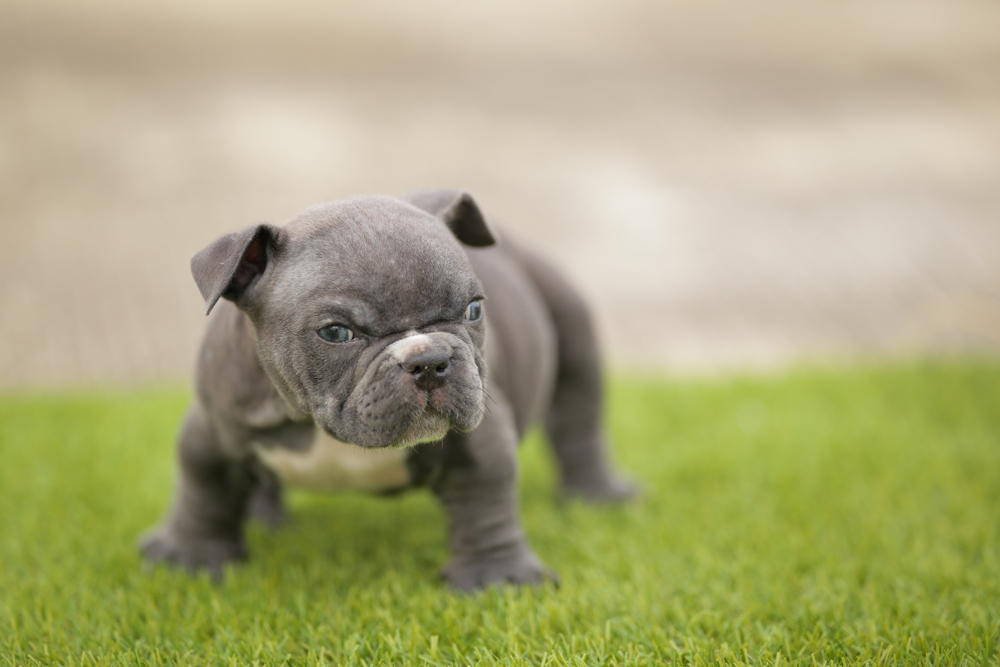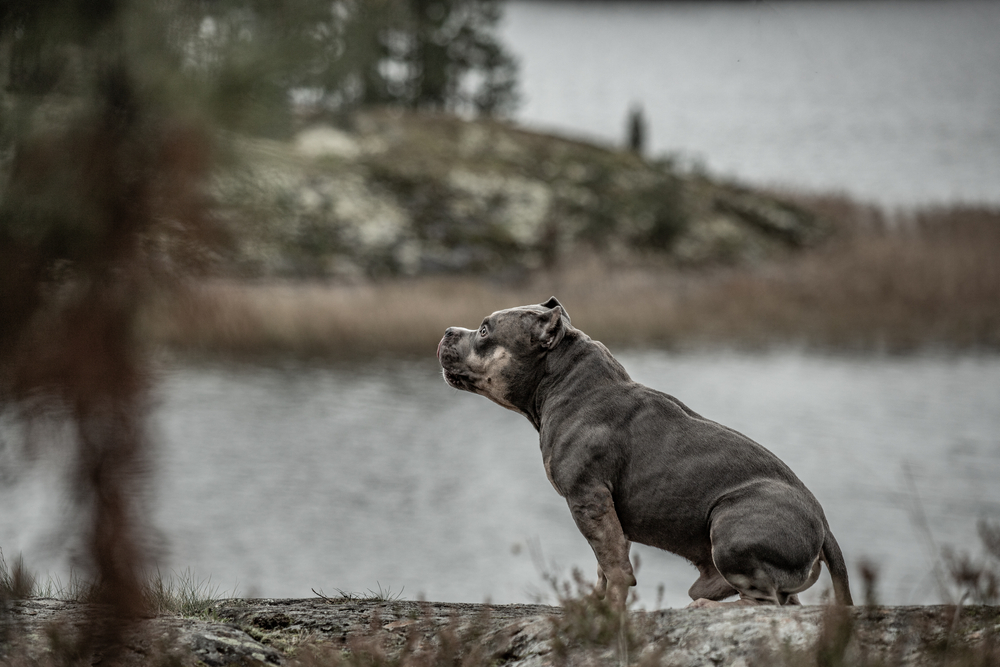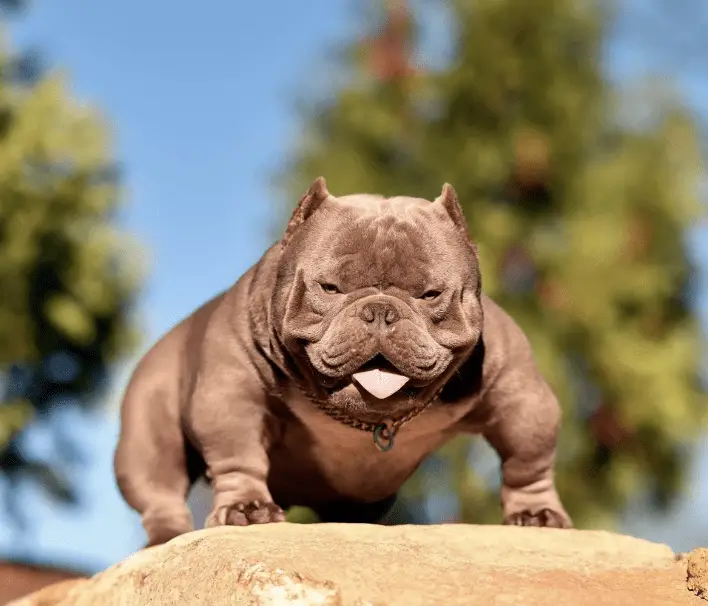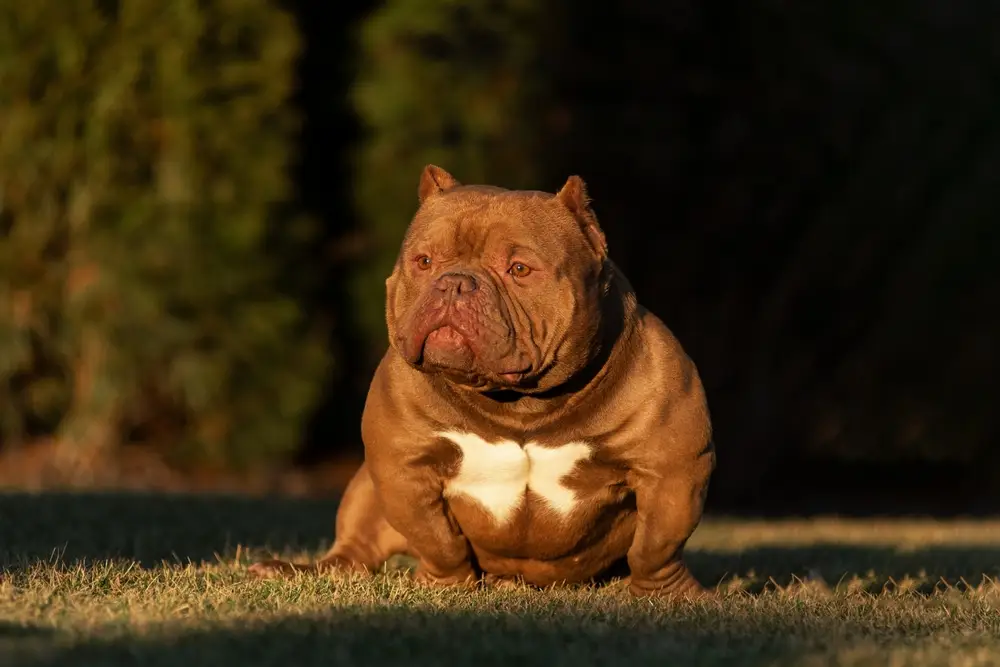
American Bully Mr. Miagi: Legacy, Offspring, and His Lasting Impact on the Breed

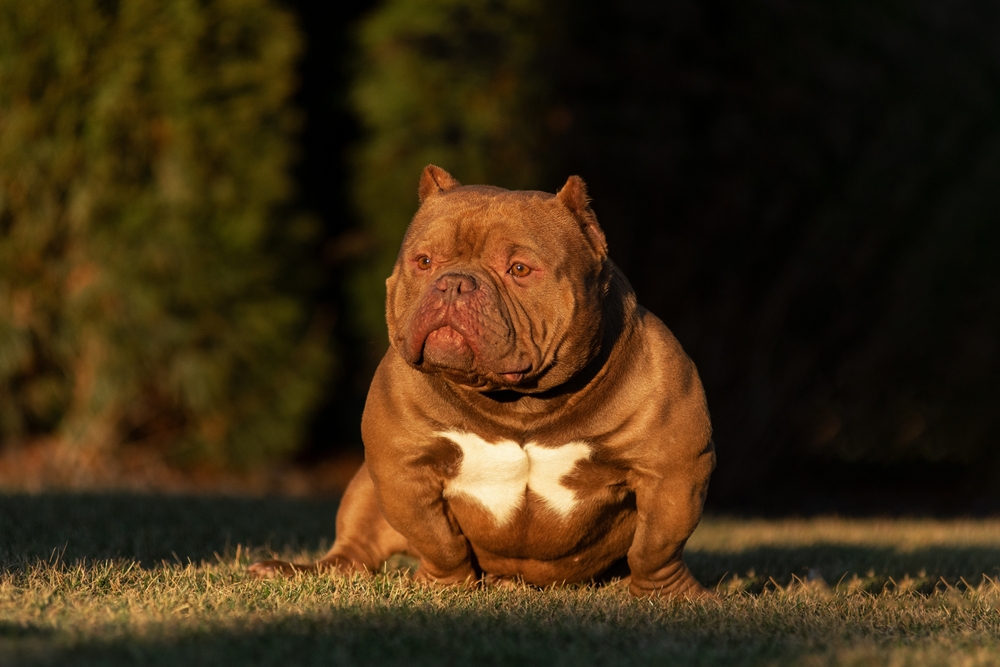
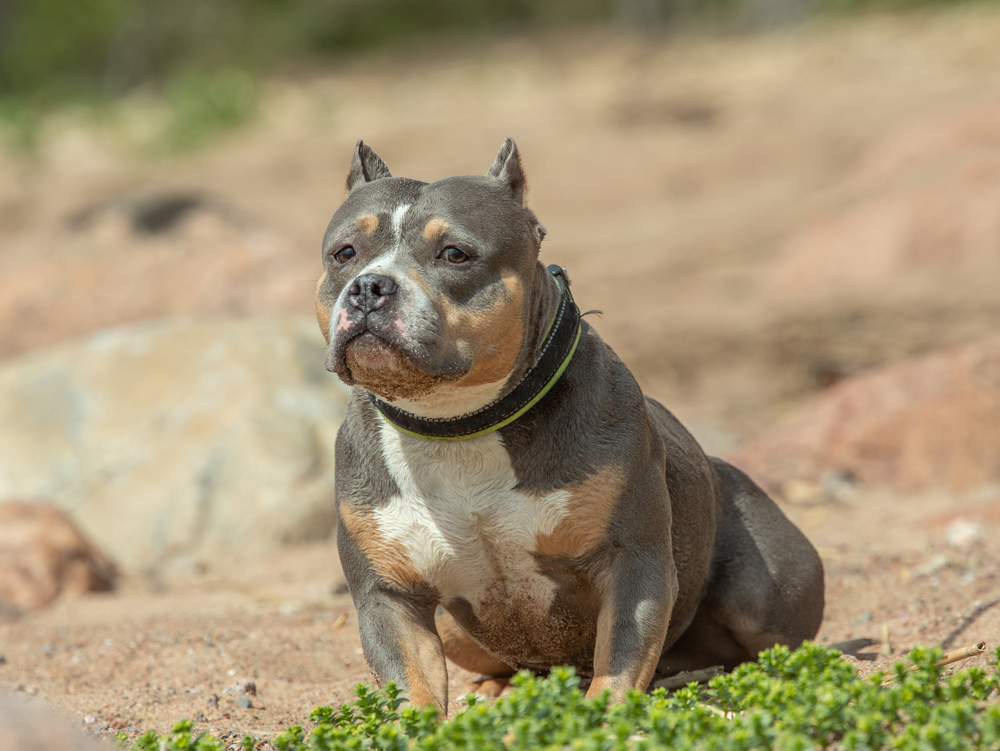
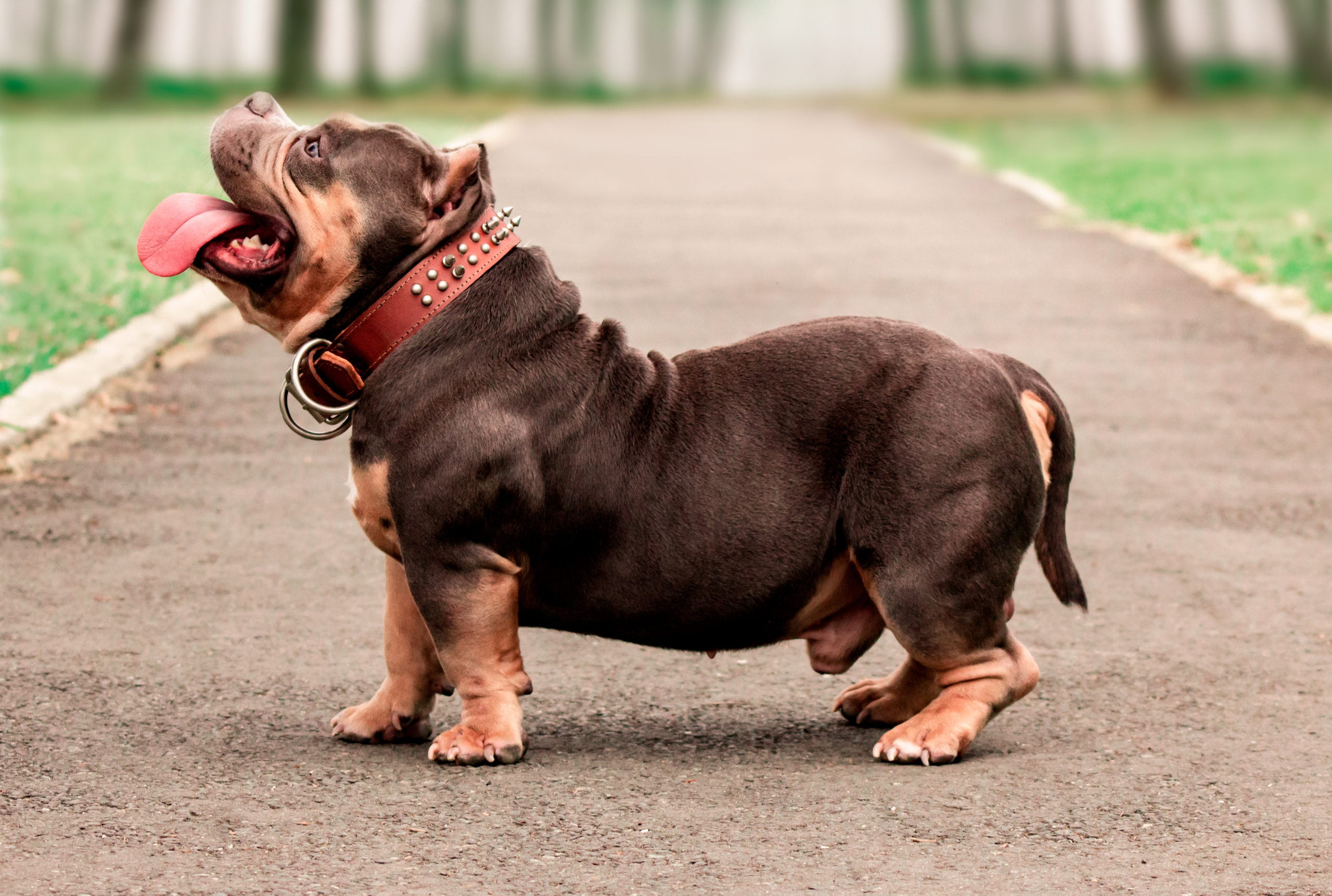
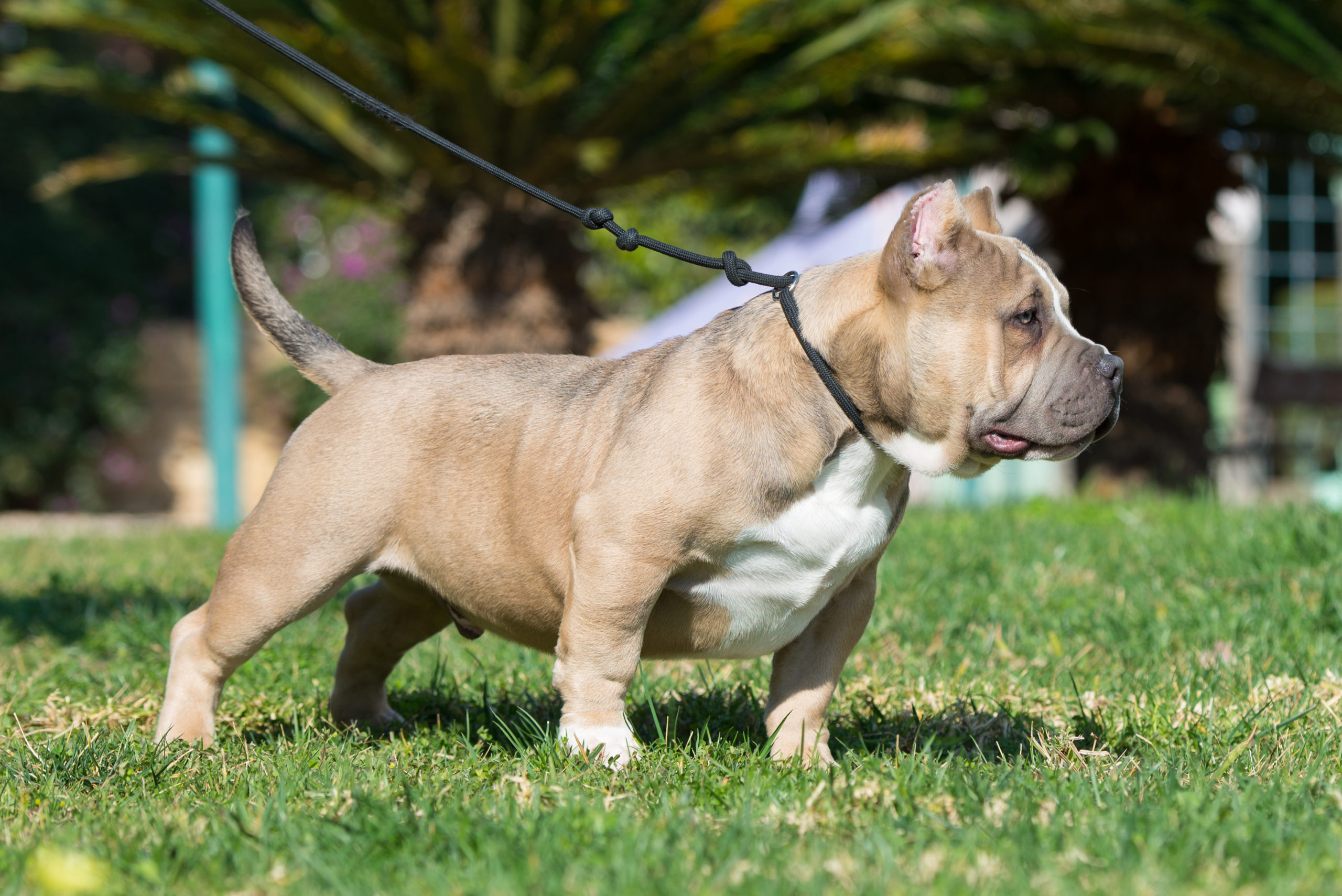
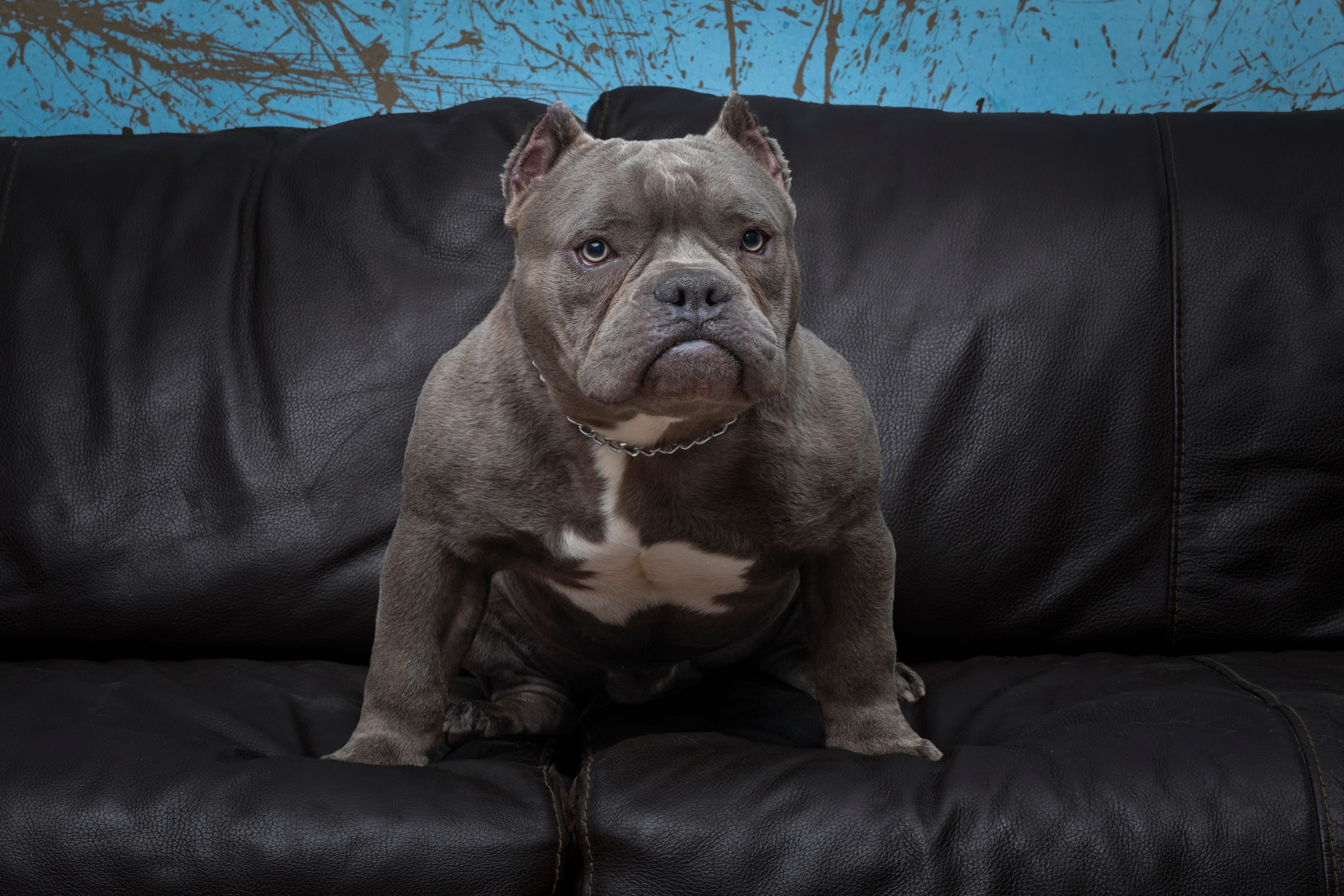
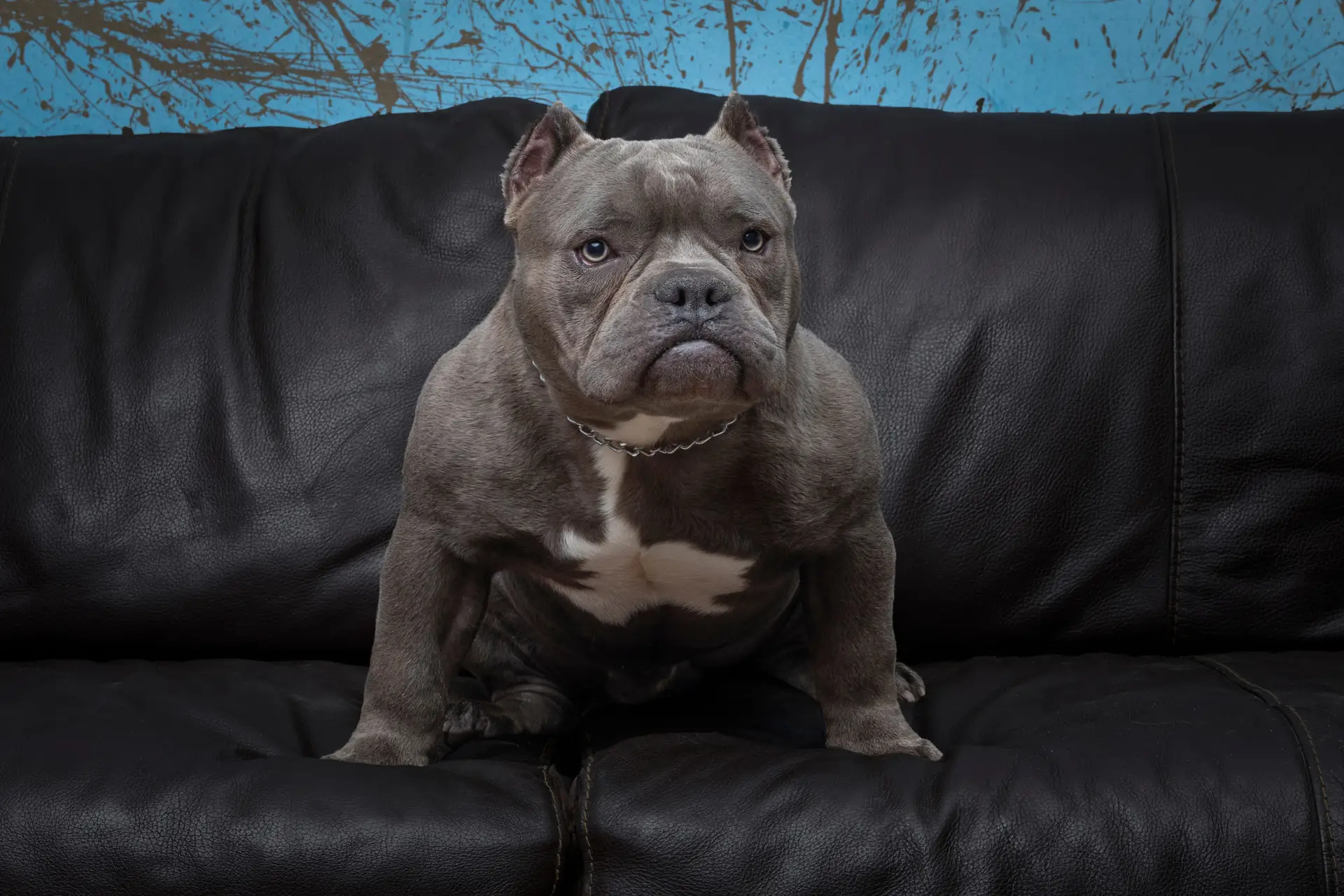
American Bully Mr. Miagi – legendary bloodline foundation dog with extreme compact frame, wide chest, and blocky head

When you hear the name American Bully Mr. Miagi, you think of one of the most influential dogs in Bully history. Miagi is a name recognized worldwide for shaping the exotic and micro classes of the breed. Known for his compact size, wide chest, and unforgettable look, Miagi has left an imprint on pedigrees across the globe.

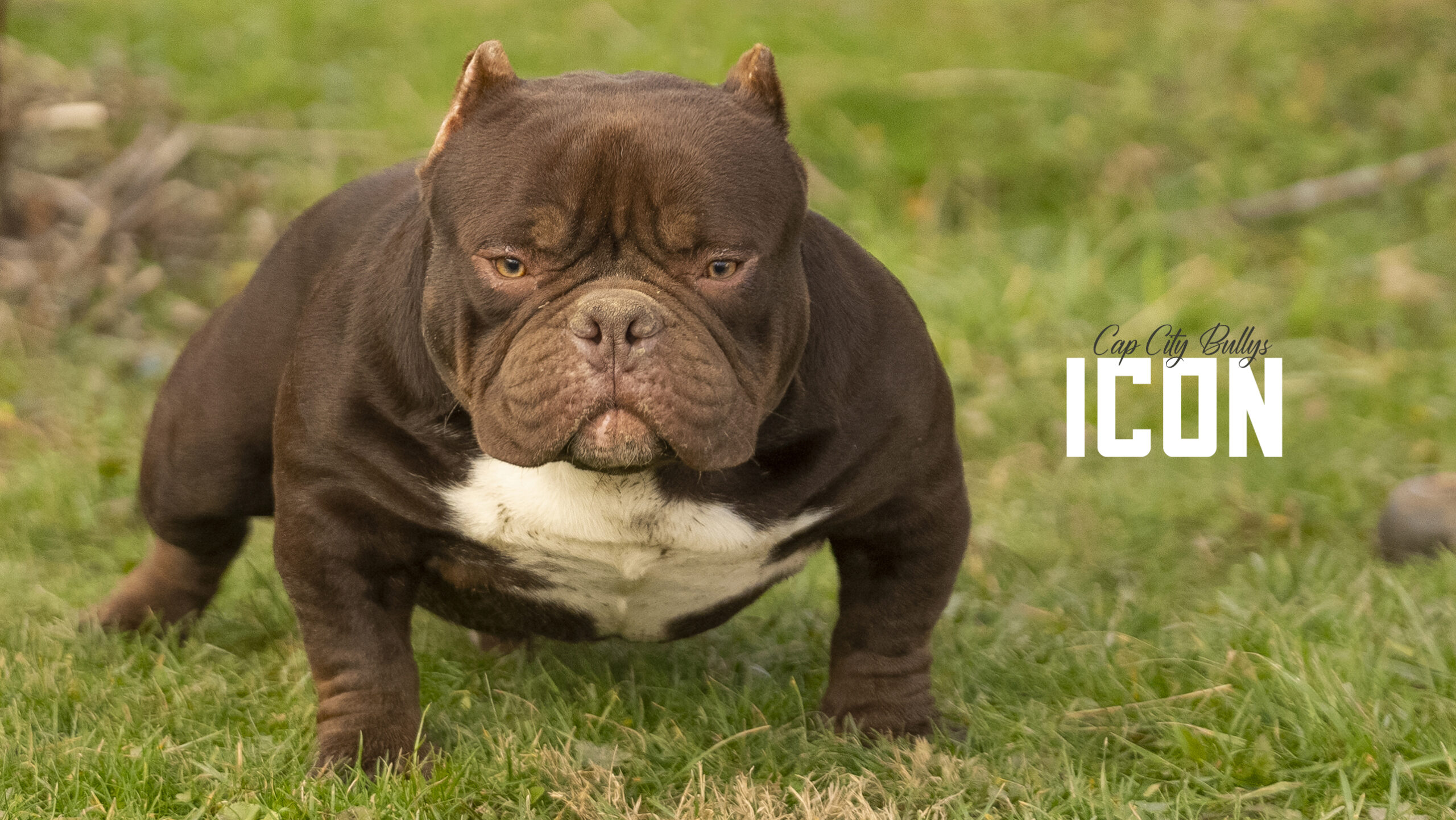
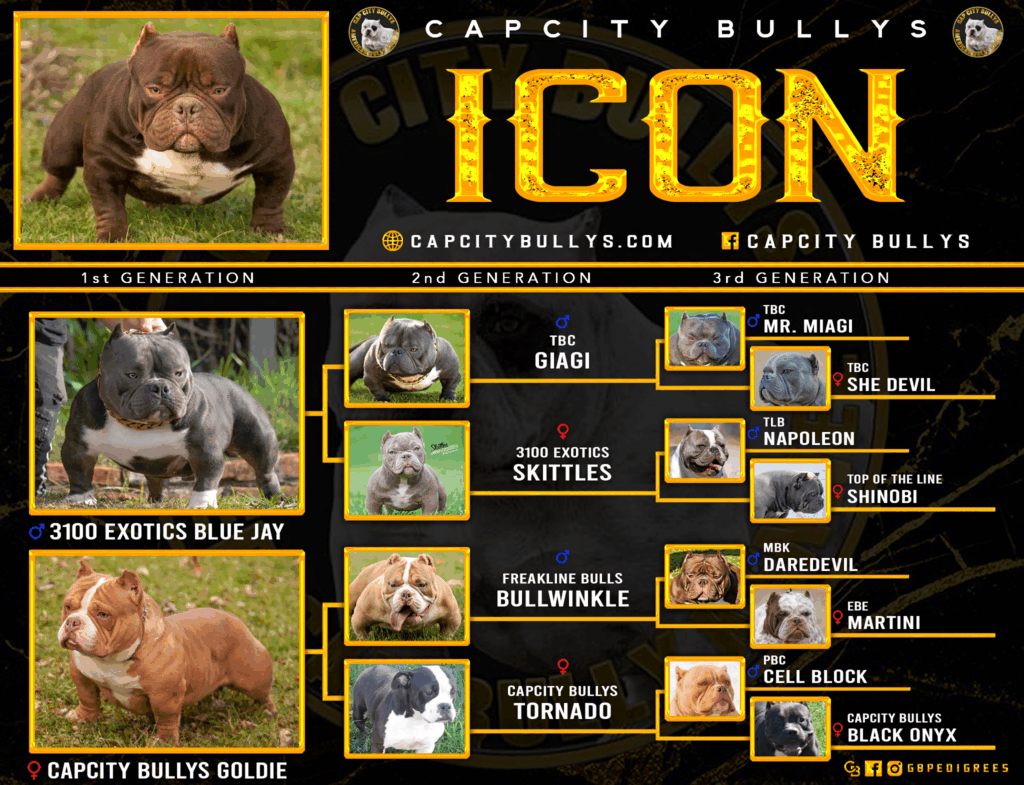
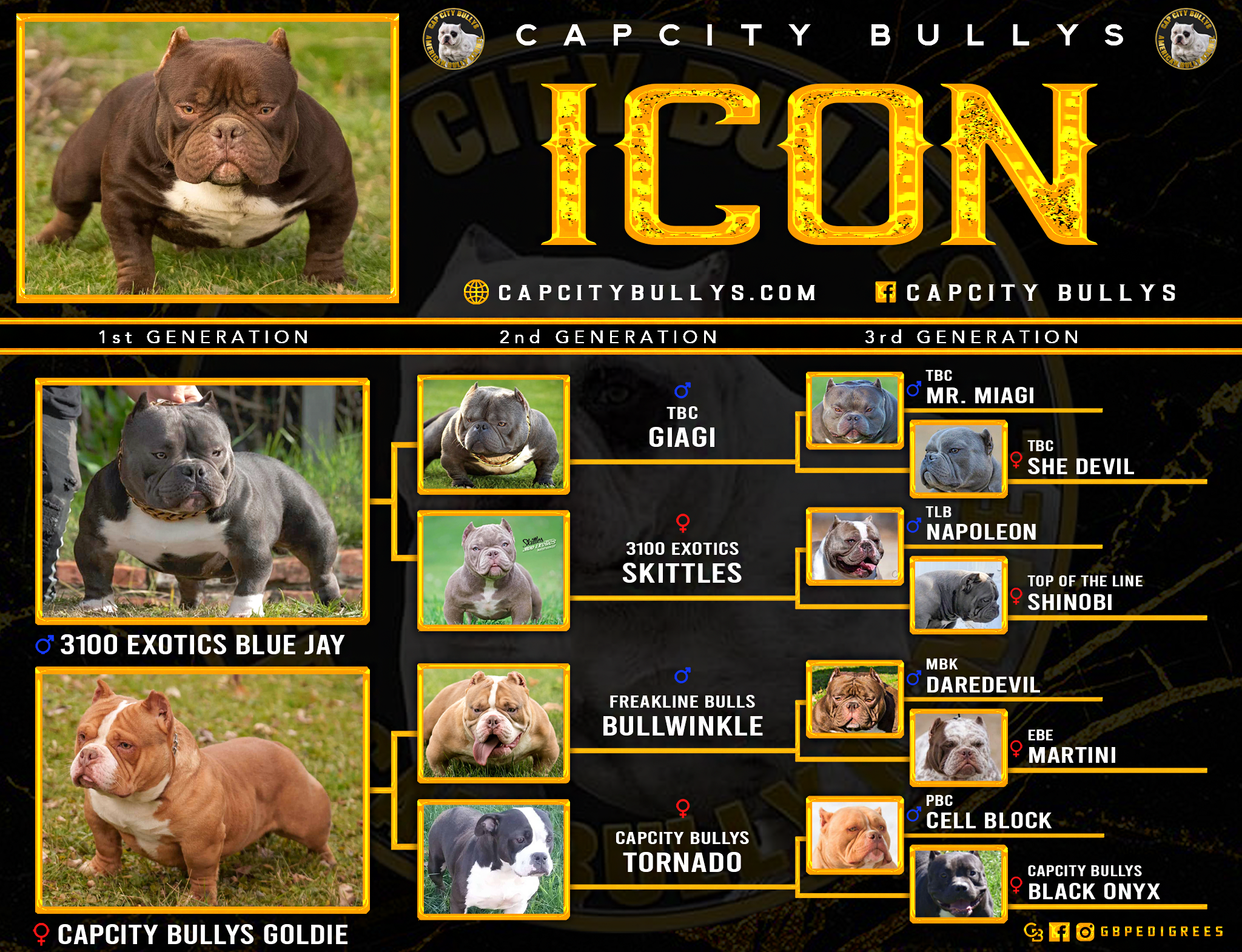
At Capcity Bullys, we recognize the power of this legacy. Not only do we honor Mr. Miagi’s contribution to the American Bully world, but our program directly benefits from it through his offspring and descendants, including Giagi and ultimately our stud Icon, who carries this legendary line in his pedigree.


🐾 Who Was American Bully Mr. Miagi?

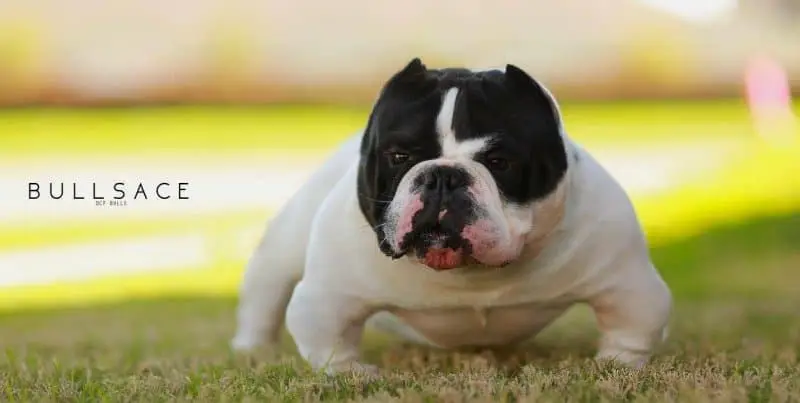
Mr. Miagi rose to fame in the American Bully community as a dog who pushed the limits of what people thought possible in terms of structure and presence. While some bloodlines were known for correctness (like Bullsace) or thickness (like Devilspit), Miagi was known for his unique style and undeniable wow factor.

Key traits Miagi brought to the table:

  • Short, compact size suitable for the Micro class

  • Extreme width and bone density

  • Blocky head with a bold look

  • Wide chest and strong stance

  • Unmistakable appearance that turned heads worldwide

These characteristics made Miagi a game-changer, influencing breeders everywhere who wanted to produce smaller, thicker, more extreme American Bullies.

🧬 Giagi: Carrying Forward the Miagi Legacy

Of Mr. Miagi’s many offspring, one name stands out for continuing his bloodline at the highest level: Giagi. Sometimes spelled interchangeably with Miagi in conversation, Giagi is recognized as one of Mr. Miagi’s best sons and a true standard bearer of the line.

Giagi took everything that made Miagi famous—compactness, bone, headpiece, and width—and passed it down consistently. His influence on the Micro Bully movement cannot be overstated.

Key reasons Giagi became just as iconic as his sire:

  • Produced compact, powerful pups with elite structure

  • Brought more balance into the Miagi bloodline when paired with clean lines

  • Passed down stable temperaments alongside the extreme look

  • Cemented his place in history as one of the most sought-after studs in the American Bully world

  •  

  • 🏆 Icon: A Grandson of Giagi at Capcity Bullys

At Capcity Bullys, we are proud to have Icon, a male who carries Giagi blood directly as his grandson. This connection ties our program to one of the most legendary legacies in the American Bully breed.

✨ What Icon Inherits From Giagi

Icon showcases the very best of the Giagi line:

  • Blocky head with clean features

  • Wide chest and thick bone

  • Compact frame under 14 inches, making him a true Micro Bully

  • Flawless structure with straight back and tight feet

  • A temperament that is calm, confident, and stable

When paired with females from powerhouse bloodlines like Bape, Devilspit, and Bullsace, Icon is capable of producing foundation-level pups with elite features and pedigrees that trace back to Mr. Miagi himself.


📈 The Lasting Influence of Miagi & Giagi on the American Bully Community

Even today, the Miagi bloodline is among the most recognizable and sought after worldwide. From social media buzz to ABR and ABKC programs, Miagi’s influence continues to fuel demand for Micro and exotic American Bullies.

Why breeders and families love Miagi descendants like Giagi and Icon:

  • They consistently produce compact, muscular dogs

  • The bloodline has name recognition that adds value to pedigrees

  • Their look is unique and highly marketable

  • With proper pairings, they maintain healthy structure and stable temperaments

This combination makes them not only great companions for families but also key foundation dogs for breeders who want to level up their programs.


📍 Miagi Bloodline Popularity in Pennsylvania, Ohio, and New York

At Capcity Bullys, we’ve seen firsthand how popular Miagi descendants are across the Northeast and Midwest.

  • In Pennsylvania, families and breeders alike value the compact size and stable temperament of Giagi and Miagi descendants.

  • In Ohio, the Micro Bully movement is exploding, and Miagi bloodlines are some of the most requested.

  • In New York, where apartment living is common, Miagi’s compact frame makes his descendants perfect companions for families in cities like Buffalo and Rochester.

By offering nationwide delivery, Capcity Bullys ensures that even if you’re outside the tri-state area, you can access pups tied directly to this legendary line.


🔗 Supporting Our Location Pages

To serve families locally and nationally, we’ve built dedicated pages for key regions. Learn more about how Miagi bloodlines influence our program in your area:

Each page is tailored to local buyers while connecting them to the global impact of bloodlines like Miagi and Giagi.


🏡 Why Families Choose Miagi Descendants

For families considering a puppy from Miagi lines like Giagi or Icon, the benefits are clear:

  • Compact dogs that adapt well to family homes or city apartments

  • Confident yet calm temperaments suited for children and social settings

  • Unmistakable looks that make them stand out at the park or in the neighborhood

  • A chance to own a piece of Bully history with pedigrees that trace directly to Mr. Miagi


🔮 The Future of the Miagi Line at Capcity Bullys

As breeders continue to experiment with new lines, the Miagi bloodline remains a cornerstone for producing elite Micro Bullies. At Capcity Bullys, we are committed to preserving this legacy through careful pairings that respect the structure, temperament, and health of our dogs.

With studs like Icon, we can confidently say the Miagi influence lives on in every puppy we produce. By combining his Giagi heritage with other powerhouse bloodlines, we’re shaping the next generation of elite Micro Bullies for families and breeders across the U.S.


Conclusion

The American Bully Mr. Miagi is more than just a famous name—he is a legend whose legacy continues through his offspring, like Giagi, and descendants like Icon. Known for compact frames, extreme features, and unforgettable presence, Miagi bloodlines remain some of the most popular and respected in the world.

At Capcity Bullys, we’re proud to carry this legacy forward. By integrating Giagi and Miagi blood into our program, we ensure that every puppy we produce reflects the structure, pedigree, and excellence that define the American Bully breed.

📍 Based in Erie, PA — serving families in Pennsylvania, Ohio, New York, and nationwide.
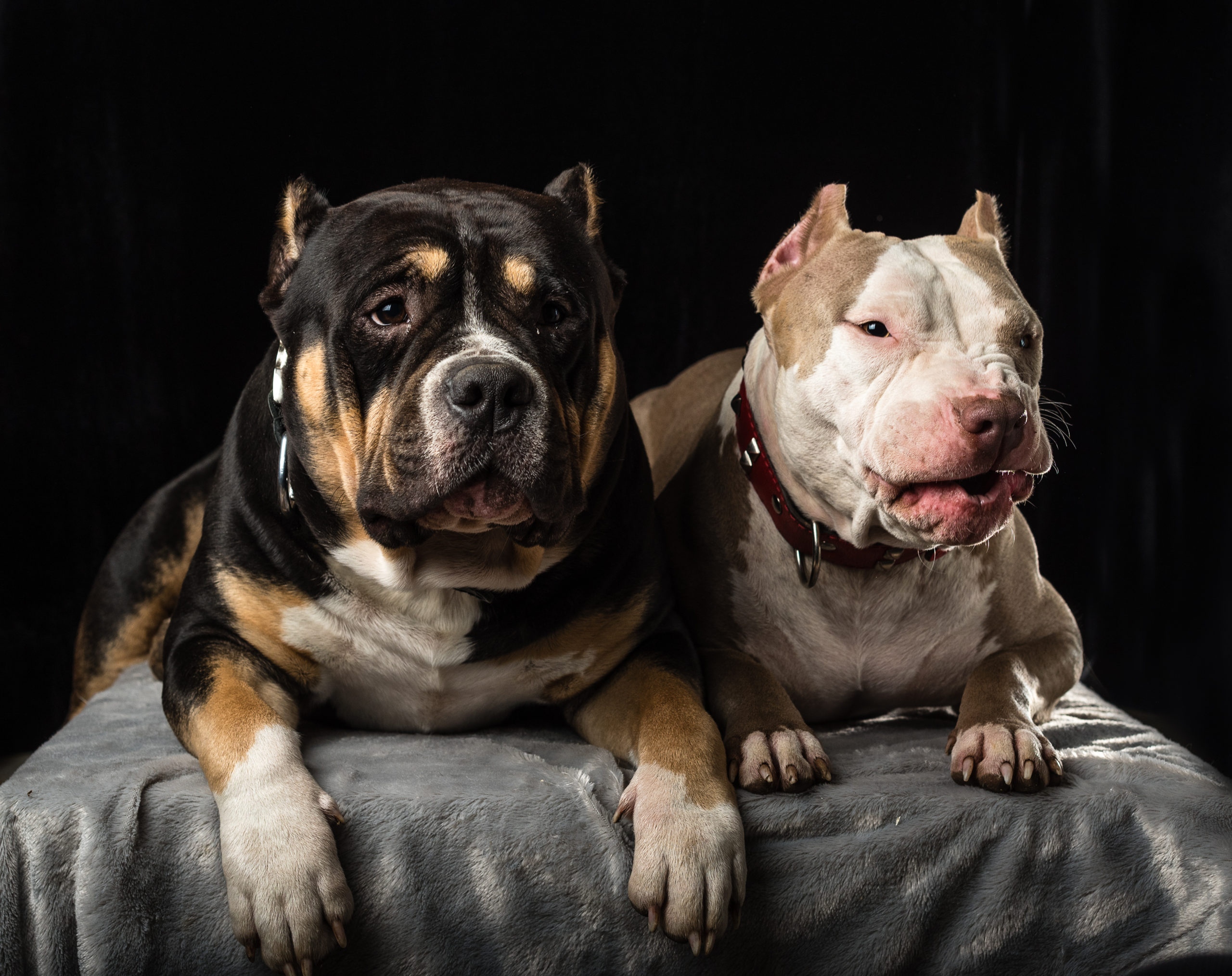
👉 Learn more about our Miagi line pairings, studs, and upcoming litters at www.capcitybullys.com.

The American Bully Bullsace Bloodline: Legacy, Structure, and Impact

The American Bully breed has been shaped by some of the most iconic bloodlines in the Bully world. Among them, one name stands out as a hallmark of clean structure, muscle, and balance: the Bullsace bloodline. For breeders, enthusiasts, and families alike, Bullsace dogs represent the gold standard of what a well-bred American Bully should look and act like.

At Capcity Bullys, we’ve built our program on elite pedigrees like Bape, Devilspit, Miagi, and Bullsace—and today, we’re shining the spotlight on why Bullsace blood continues to dominate the conversation when it comes to quality Micro and Pocket Bullies.


🐾 The Origins of the Bullsace Bloodline

The Bullsace line was created through a careful blending of foundation American Bully bloodlines with a focus on clean type, balance, and show-winning structure. While some bloodlines leaned extreme, Bullsace emphasized correctness, making it one of the most respected names in bully pedigrees.

What set Bullsace apart early on was its ability to consistently produce dogs that looked like ideal American Bullies—compact frames, broad chests, tight feet, and blocky heads—without drifting into exaggerated or unhealthy extremes.


🏆 Key Characteristics of Bullsace Dogs

Bullsace dogs quickly gained recognition in ABKC and ABR show rings, not only for their appearance but also for their temperament. Breeders prized the line for its ability to pass down desirable traits generation after generation.

Physical Traits of Bullsace Bloodline

  • Blocky headpieces with wide muzzles and clean bites

  • Broad, muscular chests with short backs and strong toplines

  • Tight, compact frames ideal for Pocket and Micro classes

  • Thick bone structure without exaggeration

  • Balanced, correct conformation suitable for both show and breeding

Temperament of Bullsace Bloodline

  • Confident and calm demeanor

  • Stable temperament—perfect for families and breeders

  • Trainable and social with children and other pets

  • Protective without aggression

This balance of structure and temperament is why so many breeders, including Capcity Bullys, continue to seek out Bullsace blood in their programs.


🧬 Bullsace in Modern Pedigrees

Today, Bullsace blood runs through some of the most elite American Bullies in the world. Many well-known kennels use Bullsace as a foundation bloodline to keep structure consistent and predictable.

At Capcity Bullys, we integrate Bullsace blood into breedings to:

  • Reinforce clean conformation in our Micro and Pocket Bullies

  • Lock in generational consistency for breeders seeking foundation dogs

  • Balance out extreme bloodlines like Bape and Devilspit with Bullsace’s correctness

  • Maintain show-quality type across entire litters

For example, our breeding females like Storm (granddaughter of Bullsace) showcase just how powerful this bloodline can be when paired with the right studs.


📈 Why Bullsace Remains So Popular

With so many new and exotic bloodlines emerging, you might wonder: why is Bullsace still such a big deal? The answer is consistency.

Many newer lines can produce extreme looks, but they often lack long-term predictability. Bullsace blood has proven over the years that it passes down the same traits reliably. This is critical for breeders who want to build strong, recognizable programs.

For families, this means a better chance of getting a dog with the stable temperament and structural balance they’re hoping for. For breeders, it means a foundation they can count on.


📍 Bullsace and Ohio, Pennsylvania, New York Buyers

At Capcity Bullys, we’ve noticed that many of our clients from Ohio, Pennsylvania, and New York specifically ask about Bullsace blood in our litters. Why? Because they recognize that Bullsace means:

  • Stronger structure for show potential

  • Healthier foundation blood for breeding programs

  • Balanced look that doesn’t fade as the pup matures

When combined with other elite bloodlines like Bape and Devilspit, Bullsace adds the correctness and balance that takes a Micro Bully from “good” to “elite.”


If you’re an American Bully enthusiast in the tri-state area, Capcity Bullys makes accessing elite Bullsace bloodline puppies easier than ever:

Each location page provides more details about how we serve families in those regions.


🐶 How Capcity Bullys Uses Bullsace Blood

At Capcity Bullys, our breeding philosophy is built on three pillars: structure, temperament, and pedigree. Bullsace fits perfectly into this vision.

  • In Mayor × Storm (Storm being a Bullsace granddaughter), Bullsace blood helps reinforce bone, muscle tone, and structure.

  • In future breedings like Icon × Fancy, Bullsace balance helps complement extreme lines like Giagi and Devilspit.

  • In every pairing, Bullsace provides the foundation traits we want passed down to each generation.


🏡 For Families: Bullsace Bloodline = Peace of Mind

For families across Pennsylvania, Ohio, and New York, a puppy carrying Bullsace blood means:

  • A predictable size (Micro or Pocket)

  • A stable, calm temperament that adapts well to family life

  • A proven bloodline with generational consistency

  • A pup that not only looks incredible but is also healthy and socialized


🔮 The Future of Bullsace Bloodline

As the American Bully community continues to evolve, the Bullsace bloodline will remain a cornerstone for breeders and families who value clean, correct, and consistent dogs.

At Capcity Bullys, we’re proud to carry this legacy forward in our litters. By combining Bullsace with other powerhouse bloodlines like Bape, Devilspit, and Giagi, we’re producing Micro and Pocket Bullies that represent the future of the breed.


Conclusion

The American Bully Bullsace bloodline is more than just a name—it’s a legacy of structure, temperament, and excellence. Whether you’re a breeder looking to strengthen your program or a family searching for a loyal companion, Bullsace blood provides trust, reliability, and prestige.

At Capcity Bullys, our breeding program continues to honor this bloodline while pushing the standard forward with elite pairings.

📍 Based in Erie, PA, we proudly serve families in Pennsylvania, Ohio, New York, and across the U.S. with nationwide delivery.
👉 Learn more about our breedings, studs, and upcoming litters at www.capcitybullys.com.

How to Tell If Your Bully Has a Strong Pedigree

When you’re investing in an American Bully—whether for companionship, breeding, or showing—pedigree matters. A strong pedigree isn’t just about having popular names in a bloodline; it’s about proven quality, consistency, and generational excellence.

In this guide, we’ll break down what makes a strong American Bully pedigree, how to verify it, and why it matters—especially for breeders and enthusiasts looking to build next-level programs. At Capcity Bullys, our breeding program is built on pedigree strength, structure, and integrity, and we’re here to help you recognize what to look for.


🔍 What Is a Pedigree in the Bully World?

A pedigree is a documented lineage or ancestry of your Bully, often shown through registration papers like those from the American Bully Registry (ABR) or United Kennel Club (UKC). It traces the dog’s genetic background, usually for three to seven generations, and helps reveal the quality, health, and type consistency behind your Bully.

Strong pedigrees reflect dogs that are:

  • Well-structured and conformationally correct

  • Healthy, with low incidence of genetic disorders

  • Mentally stable and well-tempered

  • Champions or producers of champions

  • From respected, ethical breeding programs


🧬 1. Recognize Well-Known Bloodlines

One of the first steps to identifying a strong pedigree is recognizing dominant bloodlines. In the Micro Bully and Pocket Bully world, there are certain names that carry weight due to their impact and influence.

🔥 Top Bloodlines to Know:

  • Bape – Known for compact, extreme features and thick bone

  • Devilspit – Praised for structure, muscle tone, and temperament

  • Dax – A foundational name in the Bully community, producing many show champions

  • Bullsace – Clean, correct, and muscular lines

  • Miagi / Giagi – Distinctive exotic look with wide frames

If your Bully’s parents, grandparents, or great-grandparents come from these lines (and especially multiple times), you likely have a pedigree with depth and purpose.

✨ At Capcity Bullys, our studs and dams often trace directly to Bape, Devilspit, and Bullsace, allowing us to lock in elite traits through carefully planned linebreedings.


📄 2. Check Official Registration & Certifications

Strong pedigrees are almost always backed by official registration with breed-specific organizations. These include:

  • ABKC – American Bully Kennel Club

  • UKC – United Kennel Club

  • ABR – American Bully Registry

  • USBR, BBCR, BRC – Other respected registries

If your Bully is registered with one or more of these, ask for the pedigree certificate or “family tree.” Look for titles, championships, or noted producers in the ancestry.

🏆 Words like “Champion (CH), Grand Champion (GRCH),” or “Best in Show” in the lineage are major indicators of pedigree strength.


🧩 3. Look for Linebreeding — But Done Correctly

Many top breeders, including Capcity Bullys, use linebreeding to reinforce elite traits without compromising health. This means breeding dogs who are closely related (like cousins or siblings), often to lock in desired features like:

  • Blocky heads

  • Clean bite and conformation

  • Heavy bone and compact structure

  • Calm temperament

When done correctly with health and structure in mind, linebreeding can build consistent, recognizable dogs—something random breedings can’t achieve.

⚠️ Be cautious: Inbreeding or poorly planned linebreeding can lead to genetic weaknesses. That’s why reputation and experience in pedigree planning are key.


📸 4. Evaluate the Pedigree Through Structure & Type

Even without a certificate, you can assess pedigree strength by looking at your Bully’s physical traits and comparing them to proven standards.

Key Indicators:

  • Proportional, muscular build

  • Broad chest, compact body, thick bone

  • Straight top-line and tight feet

  • Clean bite and good headpiece (blocky, not exaggerated)

  • Confident, stable temperament

If your Bully checks these boxes and matches the look of other well-bred dogs from known bloodlines, it’s likely backed by a strong pedigree.


🧠 5. Temperament Tells a Story Too

A Bully’s mental and emotional stability is often inherited. Dogs from elite pedigrees are usually:

  • Confident, not fearful

  • Calm and even-tempered

  • Socialized and trainable

  • Non-aggressive toward humans (very important in this breed)

Even more, dogs from consistent bloodlines will display similar behavior patterns across litters. If a breeder can show you previous pups from the same line, and they all have similar temperaments—that’s pedigree working in real life.


🏆 6. Ask the Breeder About the Lineage

A knowledgeable breeder should be able to:

  • Break down the pedigree (3–4 generations or more)

  • Explain why they chose the pairing

  • Show you pictures or video of past litters

  • Speak about the strengths and health of each dog in the line

  • Be transparent about any challenges or traits they are improving

📣 At Capcity Bullys, we provide full background and photo lineage on every pup. We breed with purpose—every pairing is intentional, never accidental.


💡 7. Why Pedigree Matters for You

Whether you’re a breeder, show enthusiast, or Bully lover, knowing your dog’s pedigree gives you confidence in your investment. Strong pedigrees often mean:

  • Fewer health issues

  • Predictable adult size and appearance

  • Increased value for future breeding

  • Better structure and show potential

  • Stronger resale or stud value if applicable

For families, it also means getting a dog that is stable, predictable, and well-bred, making them easier to raise, train, and love.


🔗 Final Thoughts: Pedigree Is Power

A strong pedigree is more than just paper—it’s a blueprint of excellence, built generation after generation. At Capcity Bullys, we’ve dedicated years to refining our bloodlines, selecting only the best producers, and offering pups that represent the Micro Bully breed at its highest level.

If you’re considering a pup and want to ensure quality, health, and standout traits—start by looking at the pedigree.

📍 Located in Erie, PA – Capcity Bullys ships nationwide and works with serious buyers who value structure, temperament, and lineage.

👉 Explore our available pups and breedings at www.capcitybullys.com

What Is a Micro Bully? Everything You Need to Know About This Compact Powerhouse

When you think of an American Bully, images of muscular physiques and massive head structures often come to mind. But within the bully family, there’s a fascinating and rapidly growing category designed for maximum impact in a minimum size: the Micro Bully. Compact, powerful, and charismatic, this “tiny titan” continues to dominate the hearts of breeders and enthusiasts alike. If you’re curious about what sets Micro Bullies apart—and why Capcity Bullys specializes in these exceptional dogs alongside Pocket Bullies—read on to discover everything you need to know.


1. What Is a Micro Bully?

A Micro Bully is an unofficial variant within the American Bully breed, typically standing under 14 inches tall (often 10–13″) and built with remarkably dense muscle and bone. Despite their pint-size stature, Micro Bullies display the same powerful heads, thick necks, broad chests, and athletic presence of standard Bullies—only in a smaller, more compact package.

🟡 Key Traits:

  • Height: Generally 10–13″ at the withers

  • Build: Ultra-compact, robust structure with heavy bone

  • Head: Blocky, broad skull with well-defined jaw

  • Temperament: Charismatic, confident, and people-oriented

Micro Bullies blend impressive muscling and refined proportions into a smaller frame—a design both adored and sought after in the bully community.


2. Micro Bully vs. Pocket Bully: What’s the Difference?

Though both types fall in the compact bully category, their differences are distinct:

TraitMicro BullyPocket Bully
Height10–13″14–17″
BuildExceptionally compact, thick boneSlightly taller, balanced structure
HeadExtremely blocky and heavyWell-defined but proportioned
PurposeSpecialty, rare, show/breeding focusCompanion, conformation, show potential

Pocket Bullies, recognized by bodies like ABR, ABKC and UKC, offer a smaller alternative to Standards (~17–20″). Micro Bullies take compactness a step further recognized and by  ABR and UKC.


3. Why the Micro Bully Trend is Booming

🔹 Instant “WOW” Factor

When people see a Micro Bully for the first time, their reaction is immediate: a small dog that looks like a champion bodybuilder.

🔹 Elite Genetics

Breeding a Micro Bully requires careful strategy—close-line breeding, selection for ultra-compact frames, and confirmation of health and temperament. The result? A high-demand dog with rare genetics.

🔹 Versatility

Micro Bullies suit small living spaces better than larger bully types. Despite size, they are energetic, athletic, and ideal for active families.

🔹 Breed Evolution

With breeder innovation, Micro Bullies are shaping the future of the American Bully breed—taking the best traits (muscle, structure, temperament) and condensing them into a more accessible size.


4. Capcity Bullys: Erie, PA’s Micro & Pocket Bully Experts

At Capcity Bullys, located in Erie, PA, we’ve dedicated years to perfecting Micro and Pocket Bully breeding. Here’s what sets us apart:

🛠️ Precision Breeding

We strategically pair dogs like Mayor (grandson of Bape) and Storm (Youngblood × Bullsace), fine-tuning size, bone, and structure to produce Micro Bullies with massive impact.

🌟 Champion Pedigrees

Our breeding stock features elite bloodlines—Bape, Youngblood, Bullsace, Daredevil—ensuring our puppies inherit proven muscle, temperament, and confirmation.

🇺🇸 ABKC-Pocket Standards

While our Micros often fall below ABKC Pocket height, we maintain the same conformation focus to meet show-quality standards in a boutique package.

🏡 Family-Raised & Socialized

All puppies are raised in a nurturing family environment. Early interaction with humans, sights, and sounds ensures well-rounded, confident dogs.

🌍 Serving PA/NY/OH

Erie, PA is home base for our program, but we proudly serve families and breeders across Pennsylvania, New York, Ohio—and offer nationwide shipping.


5. Choosing Between Micro & Pocket Bully

❓ Ask Yourself:

  1. Space constraints – Studio apartment or large backyard?

  2. Family dynamic – Kids? Seniors? Seniors typically prefer smaller Micros.

  3. Investment and rarity – Micro Bullies are rare and in high demand.

Once you’ve identified your needs, Capcity Bullys can guide you to the perfect fit: miniature power with Micro Bullies or show-ready Pocket pups.


6. Micro Bully Care: Diet, Training, & Health

🍖 Nutrition

High-protein, meat-based diets fuel their muscular bodies. Supplements like glucosamine support joint health in these muscular mites.

🏋️ Training

Short, consistent training works best. They learn quickly, respond well to positive reinforcement, and bond strongly with their owner. Agility or obstacle courses are excellent outlets for their athleticism.

🛁 Grooming

They have single-layer coats—minimal shedding, easy to groom. Weekly brushing and regular nail trims keep them looking sharp.

🩺 Health Monitoring

Despite petite size, they require careful attention to hips and joints. Regular vet check-ups and healthy weight management are key.


7. What You Get from Capcity Bullys

When choosing a   Micro or Pocket Bully, you’re not just getting a dog—you’re receiving:

  • Elite Micro & Pocket Bully puppies, bred to excel in structure, muscle, and temperament

  • Full health documentation—vet records, wellness checks, genetic testing

  • American Bully Registry or ABKC Pocket registration

  • Lifetime breeder support—guidance on nutrition, training, structure

  • Guaranteed clean structure and phenomenal bully type


8. Frequently Asked Questions

Q: Do you offer both Micro and Pocket Bully puppies?
Yes—we specialize in both, providing family-friendly companions and show-quality pups.

Q: What’s the difference in pricing?
Micro Bullies often carry a premium due to rarity. Pricing reflects bloodline, size, and structure.

Q: Do Micro Bullies stay small?
Generally, yes. They reach adult size (~10–13″) and stay compact. Early vet care and healthy weight maintenance support proper growth.

Q: Are these dogs good with families?
Absolutely. American Bullies are known for being loyal, gentle, and great with kids—regardless of size.

Q: Can I meet a stud or adopt an adult Bully?
We offer stud services and occasionally list adult dogs. Visit our “Stud Service” page for details.


9. Choosing Your Perfect Pup

  1. Browse current litters – Our site showcases Micro and Pocket Bully puppies available now.

  2. Read bloodline and structure data – See head-to-tail information to know exactly what you’re getting.

  3. Secure your puppy – Reserve early with a deposit.

  4. Prepare your home – We’ll send a complete care guide for your new companion.

  5. Stay connected – Regular check-ins, photo updates, and support from the Capcity Bullys team.


10. Final Thoughts: The Power of Compact

Micro Bullies pack undeniable physical presence into small frames. Their combination of muscle, structure, and charisma creates a canine experience like no other. At Capcity Bullys, we’re proud to be innovators in this niche. With selective breeding, ethical values, and a drive for excellence, we produce Micro and Pocket Bullies designed for families, shows, and breeding success.

Ready to meet a compact powerhouse? Visit the Capcity Bullys website today to explore upcoming litters, history-rich bloodlines, and program details.

📍 Erie, Pennsylvania—serving PA, NY, OH
🐾 CapcityBullys.com | Follow us on Instagram & Facebook

Top 10 American Bully Frequently Asked Questions — Answered by Experts

Find answers to top American Bully FAQs from Erie, PA experts. Learn about breed history, training, health, and puppy selection from Cap City Bullys.

Cap City Bullys is Pennsylvania’s premier American Bully breeder, serving families nationwide and worldwide from our Erie, PA facility. With over 15 years of experience, we specialize in producing champion-line, show-quality American Bully puppies noted for their muscular conformation, solid health, and even temperaments. Whether you’re new to the breed or a seasoned Bully enthusiast, these top 10 expert answers will help you understand everything from breed origins to training tips.


1. What Is an American Bully and Where Did This Breed Come From?

The American Bully is a modern breed developed in the United States beginning in the 1980s and 1990s. Breeders sought to combine the best traits of the American Pit Bull Terrier (APBT) and American Staffordshire Terrier (AmStaff) with the bulk and low-slung stature of Bulldog breeds. The goal was a balanced companion dog—muscular and confident, yet gentle and sociable enough for families. Today’s American Bully lines often trace back to renowned bloodlines such as Bape, Bullsace, and Devilspit.

Unlike the APBT, which has a history in working and sporting roles, the American Bully was specifically bred for temperament first—emphasizing stable, friendly personalities. Through careful selection and genetic testing, reputable kennels like Cap City Bullys ensure each litter possesses strong health and predictable temperament. Registries such as the American Bully Kennel Club (ABKC) and United Kennel Club (UKC) now maintain official breed standards focusing on a blocky head, wide chest, and a compact, muscular build.


2. What Are the Different American Bully Types and Sizes?

American Bullies come in five main categories recognized by most major registries:

  • Micro:
    • Height (males): Under 14 inches; (females): Under 14 inches
    • The same muscular definition and confident presence as standard bullies.
    • Their compact size makes apartment living or small homes a breeze.
  • Pocket:
    • Height (males): 14 – 17 inches; (females): 14 – 16 inches
    • Retains the thick bone and muscle of Standard Bullies but in a smaller package.
    • Great for apartment living or smaller homes, without sacrificing the breed’s iconic look.
  • Standard:
    • Height (males): 17–20 inches; (females): 16–19 inches
    • Muscular, well-balanced frame without extreme bulkiness.
    • Ideal for families seeking a dog that combines athleticism with moderate size.
  • XL (Extreme):
    • Height (males): 20–23 inches; (females): 19–22 inches
    • Heavily muscled, wide-chested, and often weighing well over 80 pounds.
    • Requires experienced handling, ample space, and a high level of exercise.
  • Classic:
    • Similar height to Standard but with a leaner, less bulky build reminiscent of early Bully lines.
    • Suited for owners who want the Bully temperament without the extreme muscle mass.

Choosing the right type depends on factors like living space, family size, and lifestyle. For example, Micro Bullies excel in apartments because they require slightly less room, while XL Bullies need larger yards and stronger handlers to manage their power. Cap City Bullys produces Micro & Pocket types, each backed by champion pedigrees and health-tested lines.


3. Are American Bullies Aggressive? Debunking Common Misconceptions

Well-bred American Bullies are known for their calm, friendly dispositions, not aggression. Their temperament is the result of decades of selective breeding prioritizing stable, family-oriented behavior. Unlike outdated stereotypes that lump all “bully” breeds into a single category, the modern American Bully standard mandates a gentle, sociable nature suitable for children, seniors, and other pets.

Cap City Bullys puppies are raised in a family environment, exposed to children, household pets, and daily household noises from day one. This early socialization minimizes fear-based reactions and teaches them how to interact politely with strangers. While any dog can become aggressive under poor management—lack of socialization, abusive training methods, or neglect—a properly raised American Bully is unlikely to demonstrate unprovoked aggression. Instead, you’ll find a loyal, loving companion eager to please.

Breed-specific legislation (BSL) sometimes targets Bully-type appearances rather than actual behavior, which experts argue is counterproductive. Responsible ownership—defined by proper socialization, training, and veterinary care—remains the most effective way to reduce any risk of aggression.


4. How Much Exercise Do American Bullies Need Each Day?

American Bullies are moderately to highly active dogs that benefit from regular, structured physical activity. A lack of sufficient exercise can lead to boredom, weight gain, and potentially destructive behaviors such as chewing or digging. Here’s a guideline by life stage:

  • Puppy (8–6 months):
    • Short play sessions (5–10 minutes) several times a day, avoiding long runs or strenuous exercise to protect developing joints.
    • Socialization outings—short, positive experiences with new people, pets, and environments.
  • Adolescent (6–24 months):
    • Two daily sessions of 15–20 minutes each: brisk walks, supervised fetch, and interactive play.
    • Introduction to mental enrichment games (puzzle toys, basic scent work).
  • Adult (2+ years):
    • At least 45–60 minutes of physical exercise daily: mix brisk neighborhood walks, jogging (once fully grown), and structured play (tug, fetch).
    • Mental stimulation: five-minute training drills (sit, down, recall) and puzzle feeders.

Cap City Bullys recommends owners provide a balanced exercise routine to promote healthy muscle development and maintain a lean physique. Mental enrichment—such as teaching new tricks or using treat-dispensing toys—helps satisfy a Bully’s intelligence and prevents boredom.


5. How Easy Is It to Train an American Bully?

Most American Bullies are highly intelligent and eager to please, making them relatively straightforward to train—if you use consistent, reward-based methods. Punishment-based training can backfire, leading to fear or aggression. Instead, positive reinforcement leverages treats, praise, and toys to encourage desired behaviors.

Key principles of effective Bully training:

  1. Immediate Marking: Use a clicker or a clear verbal marker like “Yes!” the instant your Bully performs the exact behavior you want. This clarifies the connection between action and reward.
  2. High-Value Rewards: Rotate between small pieces of cooked chicken, cheese, or turkey jerky to keep treats novel and highly motivating. For dogs less food-driven, use a favorite squeaky toy or tug rope.
  3. Short, Frequent Sessions: Especially for puppies, keep training sessions to 4–5 minutes, 2–3 times daily. Short bursts maintain focus and prevent frustration.
  4. Gradual Increase in Difficulty: Start in a quiet room for basic commands (sit, down, stay). Once those are solid, introduce mild distractions—family members walking by, other pets nearby.

Common training challenges like leash pulling can be addressed with a stop-and-go method: stop walking when the leash becomes tight; only resume (and reward) once the leash relaxes. If your Bully jumps during greetings, calmly turn away until all four paws are on the floor, then reward the calm behavior. Cap City Bullys puppies come with early obedience tips and lifetime training support to help you every step of the way.


6. What Are the Most Common Health Issues in American Bullies?

American Bullies, like all purebred dogs, have some genetic health predispositions. Responsible breeders such as Cap City Bullys screen parents for joint issues, heart conditions, and eye diseases to minimize these risks. Still, owners should remain vigilant for the following:

  1. Hip Dysplasia & Elbow Dysplasia: Abnormal joint development leading to arthritis. Regular vet visits, controlled exercise during puppyhood, and feeding a balanced, joint-supporting diet can mitigate risks.
  2. Cardiac Issues: Conditions like aortic stenosis or mitral valve disease. Reputable breeders provide cardiac clearances (via ultrasounds) for breeding dogs. Periodic heart checks are recommended.
  3. Eye Problems: Progressive retinal atrophy (PRA) and cataracts appear in some lines. Annual ophthalmologist exams catch issues early.
  4. Skin Allergies & Mange: Bullies often suffer from environmental or food sensitivities leading to itching, redness, or demodectic mange. Regular grooming, balanced nutrition, and prompt veterinary care help manage these conditions.
  5. Hypothyroidism: Low thyroid function can cause weight gain, lethargy, and coat changes. A simple blood test during routine checkups detects thyroid disorders, which are manageable with daily medication.

To keep your Bully in peak condition, follow a veterinary-recommended vaccination schedule, maintain parasite prevention year-round, brush teeth two to three times weekly, and schedule biannual wellness exams. Cap City Bullys’ Puppy Health Guarantee outlines our commitment to producing healthy, genetically sound puppies.


7. What Is the Typical Lifespan of an American Bully?

On average, American Bullies live 10–12 years, though many who receive excellent nutrition, consistent exercise, and regular veterinary care can surpass 12 years. Smaller types such as Pocket Bullies sometimes live a bit longer (12–14 years) due to lighter joint stress, while larger XL Bullies—which weigh more—often average closer to 10 years.

Factors Influencing Longevity:

  • Genetics & Breeding Quality: Puppies from health-screened parents generally enjoy longer lifespans.
  • Nutrition & Weight Management: A balanced, high-protein diet designed for muscular breeds promotes lean muscle mass and helps prevent obesity. Overweight Bullies risk hip dysplasia, heart strain, and diabetes.
  • Regular Exercise & Mental Stimulation: Daily walks, play sessions, and puzzle toys keep a Bully mentally sharp, physically fit, and emotionally balanced.
  • Preventive Care: Routine vet visits, dental cleanings, and parasite control detect and prevent health problems before they become severe. Cap City Bullys emphasizes preventive veterinary checks and provides detailed puppy medical records for every buyer.

8. Are American Bullies Good Family Pets?

American Bullies—when bred and socialized properly—excel as family companions. They exhibit remarkable loyalty, patience with children, and adaptability to various home environments: apartments, suburban homes, and rural properties alike.

Why Bullies Make Great Family Dogs

  • Gentle Temperament: Breeders like Cap City Bullys focus on stable, friendly lines that remain calm around young children, seniors, and other pets. Early exposure to families helps ensure puppies learn appropriate behaviors.
  • Protective Instincts: While not aggressive by nature, Bullies often develop strong protective bonds with their families, acting as effective watchdogs.
  • Playful & Affectionate: They enjoy interactive play—fetch, tug-of-war—and relish cuddles on the couch. Their eagerness to please makes them ideal partners for family activities.
  • Adaptability: Whether your household is high-energy or laid-back, Bullies adjust. They’ll match a jog around the block with you, then nap contentedly at your feet.

Considerations for Families

  • Exercise Commitments: All Bullies need daily exercise—at least 45 minutes for adults and shorter, frequent playtimes for puppies. A bored Bully may resort to chewing or digging.
  • Training & Socialization: Early obedience training and socialization are essential. Cap City Bullys workshops and resources guide families through positive reinforcement methods to instill good manners.
  • Space & Safety: While Pocket Bullies can thrive in apartments, Standard and XL Bullies benefit from secure yards. Ensure fences are sturdy and tall enough to contain a muscular dog.

With proper responsibilities—training, exercise, and supervision—American Bullies become loyal, loving family members capable of fitting into diverse lifestyles.


9. How Much Does an American Bully Cost, and What’s Included with Purchase?

Price Ranges

Factors affecting price include pedigree, coat color (rare colors command premiums), health clearances, and breeder reputation. Cap City Bullys, as a trusted Pennsylvania breeder, offers prices reflecting our 15+ years of expertise, champion pedigrees, and rigorous health testing.

What You Get When You Buy from Cap City Bullys

  1. Health Guarantee & Genetic Screens:
    • Written health contract covering hip dysplasia, heart conditions, and eye issues for the first two years.
    • All parents cleared via OFA, PennHIP, and CERF certifications.
  2. Initial Medical Care:
    • Up-to-date puppy vaccinations (distemper, parvo, etc.).
    • Deworming schedule.
  3. Lifetime Breeder Support:
    • Ongoing guidance on training, nutrition, grooming, and health issues.
    • Access to our proprietary training e-book and blog resources.
  4. Nationwide & Worldwide Delivery:
    • Safe, temperature-controlled transport to your door—domestic or international.
    • Real-time updates on travel status.

Cap City Bullys’ transparent pricing and comprehensive support ensure you know exactly what to expect when you invest in a healthy American Bully companion.


10. How Do I Choose the Right American Bully Puppy for My Family?

Selecting the perfect puppy involves multiple considerations—size, temperament, health, and lifestyle compatibility. Cap City Bullys helps guide families through this process with personalized support.

Key Factors to Evaluate

  1. Size & Space Requirements:
    • Micro Bully: The smallest in the Bully family, suited for urban living. Requires moderate exercise.
    • Pocket Bully: Ideally suited for apartments or smaller living spaces. Requires moderate exercise.
    • Standard Bully: Fits most suburban homes with yards. Balanced exercise needs.
    • XL Bully: Demands a large yard and strong handler; high exercise requirements.
    • Classic Bully: A balance of moderate size and a more streamlined build.
  2. Family Composition & Lifestyle:
    • Homes with Young Children: Puppies from calm, well-socialized lines known for gentle dispositions. Puppies are raised around children from day one at Cap City Bullys.
    • Active Singles/Couples: Consider older juveniles or adults already housetrained and basic-obedience tested.
    • Show vs. Pet: Show-quality pups come from champion-lines, with pedigrees from families like Bape × Devilspit; they carry breeding rights. Pet-only puppies reduce initial cost if you don’t plan to breed.
  3. Temperament & Early Testing:
    • Cap City Bullys employs Holistic Early Neurological Stimulation (HENS) and temperament assessments at 4–5 weeks, evaluating prey drive, sensitivity, and social interest.
    • Puppies that confidently approach handlers, show curiosity, and remain calm under mild stress typically excel in family settings.
  4. Health Clearances & Guarantees:
    • Ensure parents have passed hip/elbow X-rays, cardiac ultrasounds, and eye exams.
    • Cap City Bullys provides all puppy buyers with health clearances and a detailed record of early veterinary visits.
  5. Breeder Reputation & Support:
    • Confirm the kennel offers lifetime support for training and health guidance.
    • Visit Cap City Bullys in Erie, PA, or schedule a video call for virtual tours and Q&A sessions. We encourage transparency—see our adults and past litters to gauge consistency in conformation and temperament.

Additional Inbound Cap City Bullys Resources

  1. E-Book: The American Bully
  2. Puppies for Sale
    • View current litters, reserve your puppy, and explore pricing: Puppies for Sale.
  3. Cap City Bullys Blog
    • Explore deep-dive articles on nutrition, training, grooming, and breed care: Cap City Bullys Blog.
  4. Puppy Health Guarantee
    • Learn about our health protocols, genetic testing procedures, and two-year health coverage: Puppy Health Guarantee.
  5. Puppy Purchase Contract

Outbound References

Final Thoughts

These Top 10 American Bully FAQs offer a foundation of expert knowledge—covering breed origins, size variations, temperament facts, exercise needs, training methods, health considerations, lifespan, family compatibility, cost expectations, and puppy selection. As a Pennsylvania breeder with nationwide services, Cap City Bullys is committed to producing champion-line, healthy, and well-socialized American Bullies.

Whether you reside in Erie, PA, or across the country (or globe), you can trust Cap City Bullys to deliver a lifetime companion with top-tier genetics, comprehensive health guarantees, and ongoing breeder support. Explore our inbound resources, learn from AKC and Wikipedia on positive reinforcement and clicker training, and embark on a rewarding journey with your perfect American Bully.

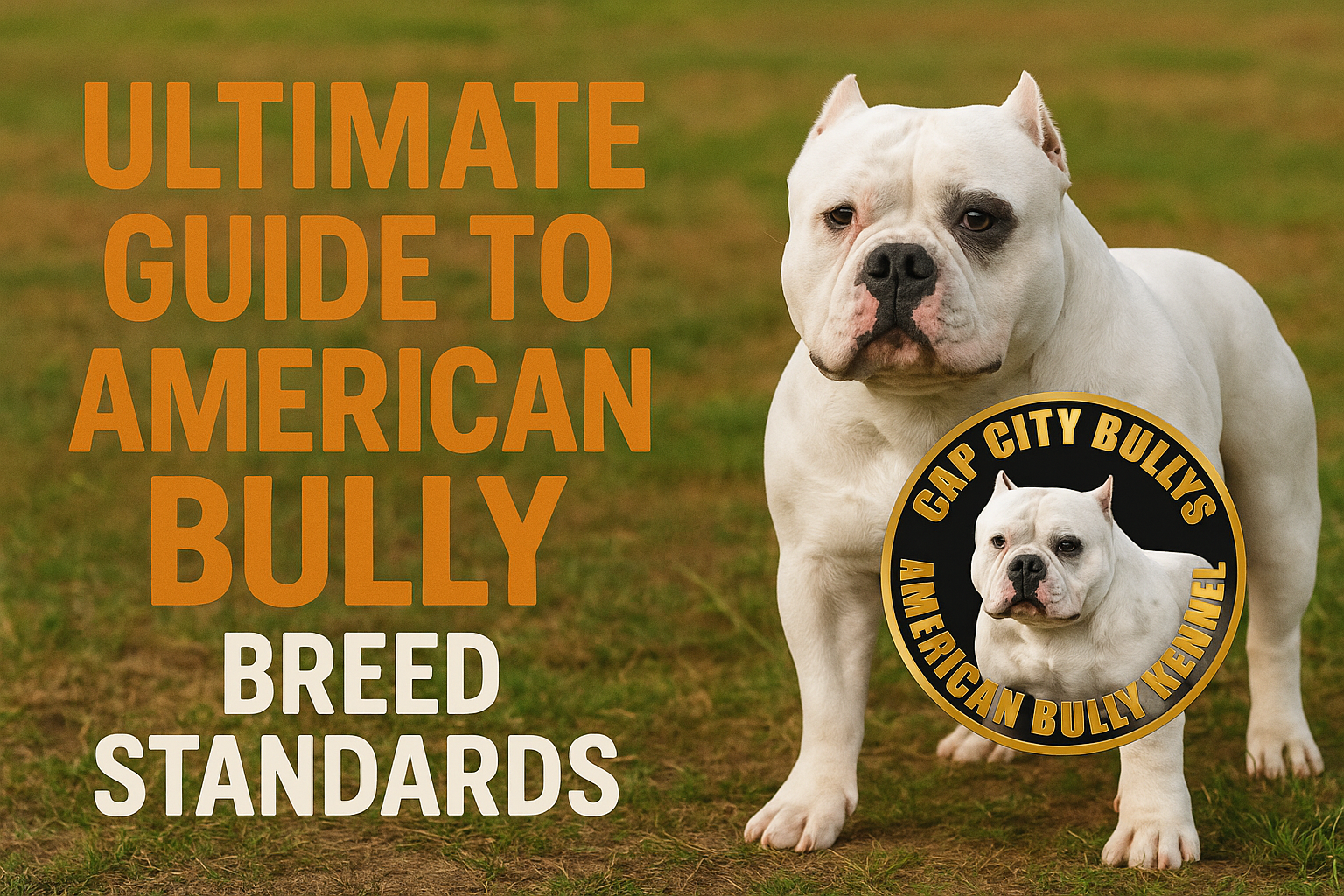
Ultimate Guide to American Bully Breed Standards: What Every Owner Needs to Know

american bully breed standards guide, Erie, PA breeder Cap City Bullys

Dive deep into the world of American Bullies—from their fascinating origins and recognized categories to the nitty-gritty of physical traits, temperament, health considerations, and everything in between. Whether you’re a first-time owner or seasoned enthusiast, this guide has you covered.


Introduction

If you’ve ever scrolled through Instagram and stopped dead at that picture-perfect, muscular pup with that big blocky head, you know the American Bully has taken the canine world by storm. But beyond the chiseled physique and undeniable swagger, there’s a structured set of breed standards that define what makes an American Bully an American Bully. In this definitive guide, I’ll walk you through everything you need to know—history, recognized classes, anatomy breakdowns, temperament notes, health tips, and how to choose the right breeder and puppy for your family.

By the end, you’ll:

  • Understand the four main American Bully categories and how they differ
  • Know exactly what physical features judges and enthusiasts look for
  • Be equipped to spot red flags when selecting a breeder
  • Have a solid handle on nutrition, exercise, and training essentials
  • Feel confident about registration, contracts, and health guarantees

Ready? Let’s roll.


History and Origin

From Classic Pit to Modern Bully

The American Bully didn’t just appear overnight. In the late 1980s and early ’90s, dedicated breeders in the United States wanted a dog with the essence of the American Pit Bull Terrier—loyalty, confidence, drive—but with a more compact, muscular structure, and a wider head. By crossing Pit Bull bloodlines with breeds like the American Staffordshire Terrier, Olde English Bulldogge, and even occasionally the English Bulldog, they slowly sculpted what we now celebrate as the American Bully.

Formal Recognition

In 2004, the American Bully Association (ABA) was founded to establish clear breed standards. Over the next decade, additional registries like the United Kennel Club (UKC) and United Kennel Club Bully Pro divisions came on board, each with its own slight variations in the standard. Despite registry differences, the core emphasis remains on balance—muscular but agile, formidable yet affectionate.


Recognized American Bully Categories

American Bully enthusiasts generally recognize four primary classes. Picking the right category for your lifestyle and show ambitions is crucial.

  1. Standard
    • Description: Classic Bully look—well-muscled without exaggeration
    • Height (males): 17–20 inches at the withers
    • Height (females): 16–19 inches
  2. Pocket
    • Description: Essentially a shorter Standard, more compact
    • Height (males): 14–17 inches
    • Height (females): 13–16 inches
  3. Classic
    • Description: More lean and athletic, less bulk than Standard
    • Height: Similar range to Standard, but with lighter bone structure
  4. XL
    • Description: Trades some compactness for impressive height and mass
    • Height (males): 20–23 inches
    • Height (females): 19–22 inches
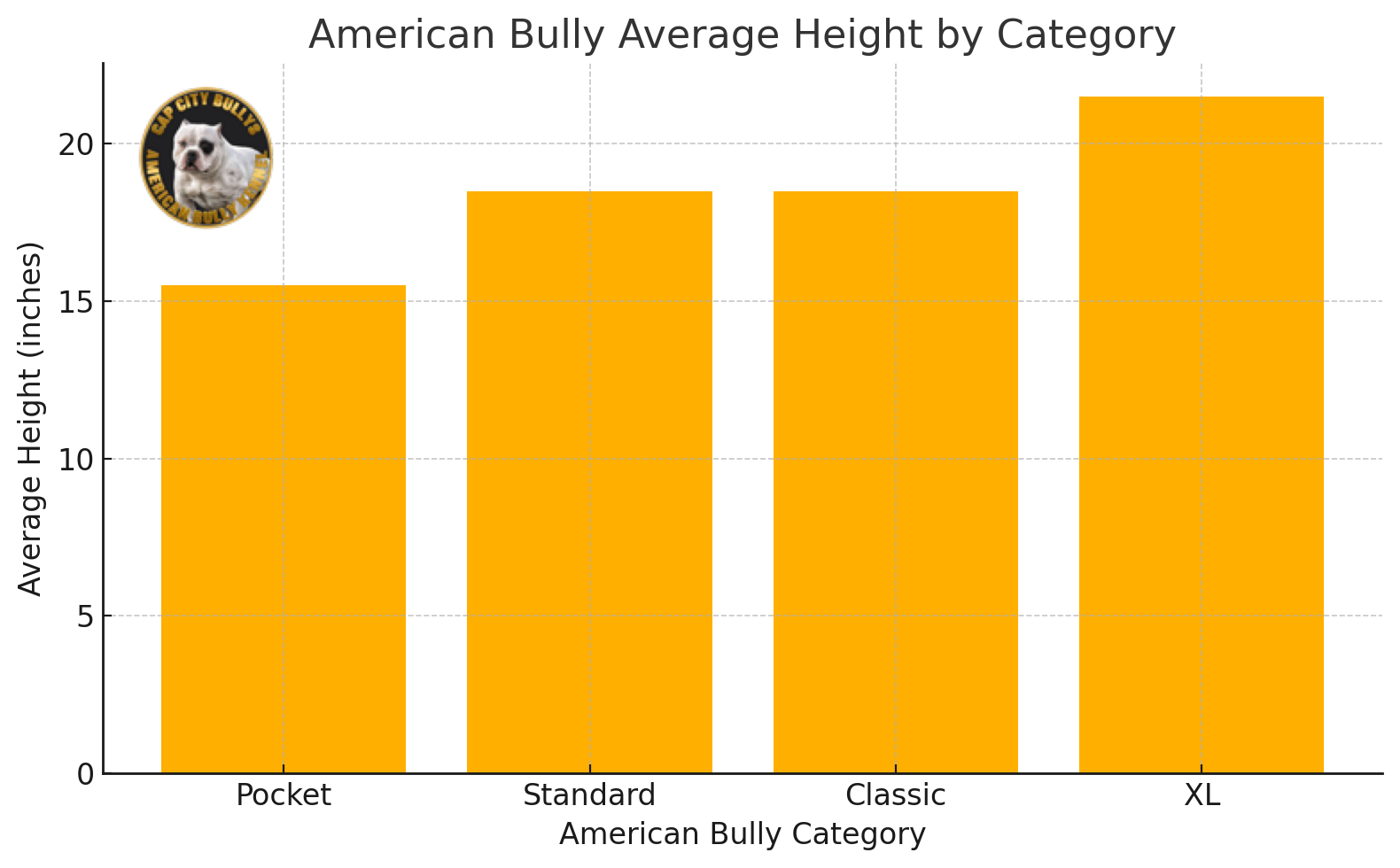
american bully average height chart by cap city bullys

Opinion: Personally, I find the Standard class the most versatile—muscular enough to turn heads, but agile enough for everyday play. If you love that “lionhearted” look without going full XL, Standard is your sweet spot.


Physical Characteristics: Size, Weight & Build

Overall Impression

An American Bully should look like a powerful athlete at ease. The body is compact and muscular, yet it retains a smooth, well-defined silhouette.

Height & Weight

  • Pocket: 13–17 inches, 30–60 lbs
  • Standard/Classic: 16–20 inches, 60–80 lbs
  • XL: 19–23 inches, 80–120+ lbs

(Note: Weight can vary based on bone density and muscle mass.)

Proportions & Balance

  • Length to Height Ratio: Slightly longer than tall—typically a 10:9 ratio from point of shoulder to rear.
  • Chest: Deep and wide, with well-sprung ribs.
  • Back: Straight and level, allowing efficient movement.

Example: I once judged a Pocket Bully that, despite only being 15 inches tall, had a chest so deep it could practically barrel-roll through the agility weave poles. That’s textbook balance for you.


Head & Facial Features

Shape & Size

  • Width: Broad and blocky, giving that signature “bull” look.
  • Length: Short to medium, without being overly foreshortened.

Skull & Muzzle

  • Skull: Pronounced cheek muscles that blend smoothly into a broad skullcap.
  • Stop: Distinct but not exaggerated—a gentle slope from forehead to muzzle.
  • Muzzle: Square, deep, and well-defined.

Eyes & Ears

  • Eyes: Medium size, set low and wide on the skull—intelligent and alert. Colors vary, but clarity and expression matter most.
  • Ears: Can be cropped or natural. Natural ears are rose or semi-prick.

Opinion: Nothing says “Bully boss” like a dog whose head fills your palm. But beware of exaggeration—if the muzzle is so short that breathing looks labored, you’re veering into unhealthy territory.


Coat, Color & Markings

Coat Type

  • Texture: Short, glossy, and close to the body.
  • Care: Low maintenance—weekly brushing to keep it sleek and healthy.

Recognized Colors & Patterns

  • Solids: Black, blue, lilac, fawn, red, cream
  • Patterns: Brindle, tri-color, pied, merle
  • Markings: White on the chest, toes, or blaze is acceptable.

Tip: Always check for color-specific health issues—merle patterns, for instance, can be linked to hearing and vision problems if not responsibly bred.


Temperament & Character Traits

Friendly Yet Fearless

American Bullies are renowned for combining a bold, confident nature with genuine affection. You want a dog that’s game for the park but also content to cuddle on the couch.

Key Traits:

  • Loyalty: They bond deeply with their family.
  • Confidence: Not easily spooked—ideal for novice or experienced handlers.
  • Trainability: Smart and eager to please when trained with positive reinforcement.
  • Social: Generally tolerant of children and other pets when socialized early.

Example: My neighbor’s Bully, “Zeus,” once calmly escorted a lost German Shepherd pup back to its owner—no hostility, just cool-headed Bully bravery.


Health & Genetic Considerations

Breeding for exaggerated features can invite problems. Responsible breeders balance breed standards with health testing.

Common Health Screens

  1. Hips & Elbows: X-rays to rule out dysplasia.
  2. Heart: ECG or echocardiogram to detect murmurs.
  3. Eyes: Annual CERF exam to catch inheritable issues.
  4. Thyroid: Bloodwork to check function.

Health Guarantees & Contracts

At Capcity Bullys, every puppy comes with a comprehensive health guarantee and clear purchase contract outlining responsibilities and recourse—because protecting the pup’s well-being starts day one.

Opinion: Skip breeders who can’t or won’t show you test results. Health paperwork isn’t a bureaucratic extra—it’s your dog’s safety net.


Registration & Breed Organizations

Getting your Bully registered properly is vital for show prospects and proving pedigree.

Major Registries

  • American Bully Kennel Club (ABKC)
  • United Kennel Club (UKC)
  • International Bully Registry (IBR)

Each has its own twist on the standard, but all recognize the four main classes. Registration ensures your dog’s lineage is documented and can be a prerequisite for sanctioned events.

Tip: When in doubt, go with the registry your breeder primarily uses—consistency matters for title tracking and event eligibility.


Choosing Your American Bully: Breeder & Puppy Selection

Finding a Responsible Breeder

  • Transparency: Open access to facilities, pedigrees, and health records.
  • Socialization: Puppies exposed to people, sounds, and handling before 8 weeks.
  • Lineage Knowledge: Breeder can explain how specific bloodlines influence size, color, and temperament.

At Capcity Bullys, we welcome visitors to tour our kennels and meet our current breedings—seeing is believing.

Puppy Purchase Contract

A solid contract protects both parties. Look for clauses on:

  • Genetic health guarantees
  • Return or rehoming clauses if life circumstances change
  • Payment schedules and deposit terms

Download our sample puppy purchase contract to see exactly what a thorough agreement looks like.


Caring for Your Bully: Nutrition, Exercise & Training

Nutrition Essentials

A high-quality, protein-rich kibble paired with occasional fresh food is my go-to. Look for:

  • Real Meat First: Chicken, beef, fish, or lamb.
  • Balanced Fats: For coat sheen and brain health.
  • Limited Fillers: No corn or wheat by-products.

Pro Tip: Supplement with joint support (glucosamine/chondroitin) and probiotics for gut health.

Exercise & Play

Bullies are surprisingly athletic. Aim for:

  • Daily Walks: 30–60 minutes
  • Interactive Play: Tug, fetch, or scent games
  • Mental Stimulation: Puzzle feeders and obedience drills

Training Foundations

Positive reinforcement works wonders. Key commands:

  • Sit/Stay/Down: The basics for household harmony.
  • Leave It: Critical for impulse control.
  • Recall: Should be rock-solid off-leash.

Enrolling in a local obedience class not only fine-tunes skills but also socializes your pup with both dogs and humans.


Common Misconceptions & FAQs

“They Must Be Aggressive”

Reality: Well-bred Bullies are people-oriented and friendly. Aggression often stems from poor socialization or mishandling.

“They Can’t Swim”

Reality: While Bullies aren’t natural paddlers, most learn quickly with gentle introduction and life jackets.

“Bulldog + Pit = Health Problems”

Reality: Responsible breeders focus on health testing. When done right, Bullies can be as healthy as any medium-sized breed, with lifespans around 10–12 years.


Conclusion

The American Bully is more than just a muscular canine—it’s a testament to careful breeding, league-standard conformation, and that unique blend of confidence and devotion. From understanding the precise breed categories and physical standards to navigating health tests, breeder selection, and day-to-day care, you now have the ultimate toolkit.

If you’re ready to take the next step—whether that’s downloading our in-depth e-book on the American Bully, browsing our active breedings, or reviewing our puppy purchase contract and health guarantee—visit our homepage to get started.

Here’s to raising a Bully that’s as healthy, happy, and head-turning as the standard intends. Welcome to the pack!

Bully vs. Pitbull: What’s the Difference?

American Bully vs Pitbull: what's the difference between a bully and a pitbull

Understanding the distinctions between American Bullies and Pitbulls is crucial for prospective dog owners, particularly those in Pennsylvania where breed popularity and regulations intersect. While both breeds share muscular builds and a storied history, they diverge significantly in lineage, appearance, temperament, and legal recognition. In this in-depth, 2,500-word guide, we’ll explore:

  • Origins and evolution of the Pitbull and the American Bully
  • Key physical and behavioral differences
  • Health considerations and lifespan expectations
  • Pennsylvania-specific breed regulations and community insights
  • Training, socialization, and lifestyle fit
  • Why Erie, PA’s own Cap City Bullys stands out for American Bully enthusiasts

Whether you’re weighing a loyal family protector against a high-drive show dog, this article will equip you with the insights needed to choose the right breed—plus links to explore available litters, stud services, and more from Pennsylvania’s premier American Bully breeder.


1. A Tale of Two Breeds: Origins & Evolution

Pitbull Roots

The term “Pitbull” actually encompasses several breeds—most notably the American Pit Bull Terrier, American Staffordshire Terrier, and Staffordshire Bull Terrier. These dogs trace back to 19th-century England, where bulldogs and terriers were crossed to create agile, tenacious fighters and ratters. Brought to America by immigrants, the breed’s strength, loyalty, and athleticism made it a companion for farmers, working-class families, and later, members of law enforcement and search-and-rescue teams.

Over time, the Pitbull’s reputation oscillated between esteemed working dog and unfairly stigmatized “bully breed.” However, enthusiasts in Pennsylvania’s dog-loving communities—especially in Erie, Pittsburgh, and Philadelphia—continued to champion the breed’s positive traits, focusing on proper training and socialization.

The Rise of the American Bully

By the late 20th century, breeders sought to amplify the Pitbull’s hallmark muscle tone and friendly disposition to better suit family life and the show ring. The result was the American Bully: a distinct breed founded in the United States during the 1980s–1990s. Selective breeding emphasized a wider chest, blockier head, shorter muzzle, and calmer temperament. Three major registries—the United Kennel Club (UKC), the American Bully Registry (ABR), and the American Bully Kennel Club (ABKC)—formalized standards, elevating the Bully from underground scene to mainstream recognition.

Today’s American Bully comes in five size classes ( Micro, Pocket, Standard, Classic, XL), each regulated by strict conformation guidelines. Breeders like Cap City Bullys in Erie, PA, have spent 15+ years refining pedigrees, ensuring every puppy embodies health, temperament, and show potential.


2. Physical Differences: Build, Size & Appearance

Head & Muzzle

  • Pitbull: Typically longer muzzle, pronounced stop (the dip between forehead and muzzle), and triangular ears (cropped or natural).
  • American Bully: Broader, blockier head with a shorter muzzle and pronounced cheeks. The stop is less steep, giving a “pushed-in” facial profile.

Body & Height

  • Pitbull: Athletic, lean muscles; height ranges from 17–21 inches at the shoulder.
  • American Bully: Beefier build; Standard size stands 16–20 inches, while XL classes can exceed 20 inches. Pockets are shorter but stockier—a hallmark of the Micro and Pocket Bully varieties.

Coat & Color Variations

Both breeds carry short, glossy coats in myriad colors—fawn, blue, black, brindle, and various pied patterns. However, the Bully’s thicker neck, broader chest, and heavier bone structure give it a more “compact powerhouse” look compared to the Pitbull’s lean athlete silhouette.


3. Temperament & Behavior

Pitbull Personality

Despite negative media portrayals, properly raised Pitbulls are renowned for their loyalty, high energy, and people-pleasing nature. They excel in agility, obedience, and therapy work. However, they do require consistent mental stimulation and vigorous exercise—think daily runs, fetch sessions, and puzzle toys.

American Bully Disposition

American Bullies were bred with a calmer, more adaptable temperament in mind. These dogs often settle more quickly in home environments, making them ideal for families, first-time owners, and show competitors. Their sociable character and gentle disposition around children are celebrated by Bully enthusiasts nationwide.

Insider Tip: If you live in Erie, PA, and crave that Bully “look” with a mellow attitude, an American Bully puppy from Cap City Bullys may suit you better than a high-drive Pitbull.


4. Health & Lifespan: What to Expect

Common Pitbull Health Concerns

  • Hip Dysplasia: Genetic hip joint malformation leading to arthritis.
  • Skin Allergies: Often environmental or food-related; requires careful dietary management.
  • Cardiac Conditions: Occasional instances of congenital heart defects.

American Bully Health Profile

The American Bully benefits from rigorous health testing protocols instituted by reputable kennels. Still, watch for:

  • Elbow & Hip Dysplasia: Screened via OFA or PennHIP.
  • Thyroid Issues: Routine blood work can catch early dysfunction.
  • Joint & Bone Concerns: Especially in XL classes; responsible breeders provide lifetime hip guarantee.

With proper nutrition, exercise, and vet care, both breeds typically live 10–14 years. In Pennsylvania’s Four Seasons climate, pay extra attention to joint health through glucosamine supplements during winter months.


5. Breed Recognition & Legal Status in Pennsylvania

Kennel Club Standards

  • American Pit Bull Terrier: Recognized by the United Kennel Club (UKC) and American Dog Breeders Association (ADBA).
  • American Bully: Recognized by ABR,  ABKC, UKC, and International Bully Registry (IBR), each with specific breed standards.

Pennsylvania Regulations

Unlike some states with “breed-specific legislation” targeting Pitbulls, Pennsylvania currently has no statewide pitbull ban. However, individual municipalities (e.g., Philadelphia or King of Prussia) may impose stricter leash laws or mandatory liability insurance for high-risk breeds. Always:

  1. Check Local Ordinances: Erie County’s dog ownership rules differ slightly from Allegheny County’s.
  2. Enroll in Obedience Classes: Many city parks require proof of training certificates before granting dog park access.
  3. Maintain Proper Licensing: Annual dog licenses—available at county treasurer’s offices—ensure compliance and community safety.

6. Training & Socialization: Setting Your Dog Up for Success

Socialization Window (8–16 Weeks)
Whether Pitbull or Bully, early exposure to different people, pets, sights, and sounds is essential. Positive experiences in your Pennsylvania neighborhood—visiting Erie’s Perry Square, walking along the Lake Erie shoreline, or attending community events—build confidence and reduce fear-based behaviors.

Obedience Foundations

  • Basic Commands: Sit, stay, come, and loose-leash walking.
  • Impulse Control: Teach “leave it” and “wait” around distractions (squirrels at Presque Isle State Park!).
  • Advanced Training: Pitbulls excel in agility and rally, while Bullies shine in conformation prep and therapy work.

For specialized breeding programs or show-ring preparation, consider our Proven Stud Service featuring top Micro and Pocket Bully studs from champion lines like Bape and Devilspit.


7. Choosing the Right Breed for Your Pennsylvania Lifestyle

Active Lifestyles

If you’re an outdoorsy Pennsylvanian—hiking Ricketts Glen, paddling the Susquehanna, or biking the Pine Creek Rail Trail—a Pitbull’s endurance and athletic drive could match your pace.

Family & Apartment Living

For families in Erie’s downtown lofts or suburban Pittsburgh homes, the American Bully’s adaptable temperament, shorter exercise bursts, and lower reactivity make them a breeze in household settings.

Show vs. Companion

  • Show-Ring Aspirations: Bullies with champion pedigrees often take center stage at ABR,  UKC and ABKC events.
  • Dedicated Working Roles: Pitbulls continue to serve as therapy dogs and search-and-rescue canines.

Whichever path you choose, be sure to explore current and upcoming litters on our litters page and reserve your puppy early to guarantee your pick.


8. Where to Find American Bullies & Pitbulls in Pennsylvania

Pitbull Adoption & Rescue

Numerous PA shelters and rescue groups specialize in Pitbulls—e.g., Second Chance Pit Bull Rescue in Philadelphia or PA Bully Crew Rescue. Adoption fees often include spay/neuter, vaccinations, and microchipping.

Reputable Bully Breeders

Cap City Bullys stands out in Erie, PA for:

  • 15+ Years of Experience: Our family-run kennel prioritizes temperament and health guarantees.
  • Nationwide & Worldwide Delivery: We ship champion-line puppies safely to your doorstep—anywhere in Pennsylvania or beyond.
  • Ethical Breeding Practices: Health testing, early socialization, and a lifetime support promise.

Explore our upcoming breedings or schedule a visit to our Erie facility.


9. Beyond the Breed: Care, Nutrition & Community

Nutrition Essentials

High-quality protein-based diets, supplemented with joint-support formulas, keep Bully and Pitbull muscles sculpted and healthy. Local Pennsylvania pet stores—from Erie’s Pet Value to Pittsburgh’s Pet People—offer regional brands that cater to large-breed dogs.

Grooming & Maintenance

Both breeds are low-maintenance brushers, requiring:

  • Weekly Brushing: Reduces shedding and promotes coat shine.
  • Regular Bathing: Monthly baths with pH-balanced shampoos.
  • Dental Care: Daily teeth brushing to prevent periodontal disease.

Community Engagement

Join Pennsylvania Bully Meetups, attend Erie’s annual “Paws on Parade,” or follow our American Bully Breed Insights Blog for expert tips, nutrition guides, and training tutorials.


10. Conclusion: Making an Informed Choice

While American Bullies and Pitbulls share a muscular silhouette and an unwavering loyalty, they diverge in build, breeding goals, and temperament nuances. Your lifestyle—be it the active trails of Northwest Pennsylvania or the family-focused homes of Erie—will ultimately determine the best fit.

Whether you’re drawn to the Pitbull’s athletic drive or the American Bully’s show-quality stature, remember:

  • Research: Understand breed history, health testing, and legal regulations in your municipality.
  • Socialize & Train: Invest early in classes and community experiences.
  • Source Responsibly: Choose reputable breeders or rescues—like Cap City Bullys—who prioritize ethics, health, and lifetime support.

Ready to learn more? Browse our current litters or contact Cap City Bullys today to reserve your American Bully puppy in Erie, PA. Your perfect four-legged companion awaits!

Helpful Resources & Further Reading

Devilspit: The Legendary Bloodline in the American Bully World

The American Bully breed has taken the canine world by storm, celebrated for its muscular build, loyal temperament, and striking appearance. Among the many notable bloodlines that have emerged, Devilspit stands out as one of the most iconic. Known for producing compact, powerful, and visually stunning dogs, Devilspit has become synonymous with excellence in the American Bully community. In this article, we’ll explore the history, traits, and influence of the Devilspit bloodline and why it remains a cornerstone for breeders and enthusiasts alike.


The Origins of Devilspit

The Devilspit bloodline traces its roots to a commitment to producing a unique type of American Bully: compact yet muscular, with extreme features that set it apart. Created by breeders passionate about refining the breed’s aesthetic and temperament, Devilspit combines select genetics to produce dogs with unmatched quality.

What truly distinguishes Devilspit is its consistency. Breeders of this line meticulously pair dogs to ensure every litter embodies the bloodline’s signature traits. Over time, Devilspit has gained a reputation for producing Bullys that dominate the show ring and captivate the hearts of pet owners worldwide.


Key Traits of the Devilspit Bloodline

Devilspit American Bullies are revered for their distinctive appearance and impressive structure. Here are the standout characteristics that make this bloodline so coveted:

1. Compact and Muscular Build

Devilspit Bullies are known for their compact frames packed with muscle. Despite their smaller stature, they exhibit incredible strength and a commanding presence, embodying the “small but mighty” ethos.

2. Extreme Features

One of the hallmarks of the Devilspit bloodline is its extreme yet clean features. Dogs from this line often have wide chests, blocky heads, and pronounced cheek muscles, creating a striking appearance that sets them apart.

3. Short, Smooth Coat

The Devilspit bloodline typically produces dogs with a short, smooth coat that enhances their muscular definition. Common coat colors include shades of blue, fawn, black, and white, often with eye-catching patterns or markings.

4. Loyal and Confident Temperament

While their looks are fierce, Devilspit Bullies are known for their loyalty and affectionate nature. They are confident yet gentle, making them excellent companions for families.

5. Excellent Health and Longevity

Breeders of the Devilspit line prioritize health, ensuring their dogs have the strength and vitality to thrive. Regular health testing and selective breeding contribute to this bloodline’s longevity.


The Influence of Devilspit in the Bully Community

Devilspit is not just a bloodline; it’s a brand in the American Bully world. Its influence extends across breeding programs, show rings, and social media platforms, where enthusiasts proudly showcase their Devilspit Bullies.

Breeding Programs

Many breeders incorporate Devilspit genetics into their programs to enhance their stock. The bloodline’s consistency and desirable traits make it a valuable addition to any pedigree.

Dominance in Shows

Devilspit Bullies often steal the spotlight in American Bully shows. Their exceptional structure and extreme features align with breed standards, making them top contenders in categories like Micro and Pocket Bullys.

Social Media Sensations

The striking looks of Devilspit Bullies have made them stars on platforms like Instagram and TikTok. Owners and breeders proudly share photos and videos of their dogs, contributing to the bloodline’s global popularity.


Caring for a Devilspit American Bully

Owning a Devilspit Bully comes with responsibilities to ensure they remain healthy and happy. Here are some essential care tips for these extraordinary dogs:

1. Provide Proper Nutrition

A high-quality diet rich in protein and essential nutrients is crucial for maintaining their muscular build. Consult your vet to create a feeding plan tailored to your Bully’s age, size, and activity level.

2. Regular Exercise

Despite their compact size, Devilspit Bullies are energetic and require daily exercise. Long walks, playtime, and mental stimulation are essential to prevent boredom and maintain their physical health.

3. Routine Grooming

Their short coat requires minimal grooming, but regular brushing helps keep their fur shiny and reduces shedding. Regular nail trims, ear cleaning, and dental care are also important.

4. Consistent Training and Socialization

Early training and socialization are key to ensuring your Devilspit Bully grows into a well-mannered adult. Positive reinforcement methods work best for this intelligent and eager-to-please breed.

5. Health Monitoring

Regular vet check-ups are essential to monitor your dog’s overall health. Devilspit Bullies, like all breeds, can be prone to certain conditions, so proactive care is vital.


Why Choose a Devilspit American Bully?

If you’re looking for a dog that combines exceptional looks with a loving personality, the Devilspit bloodline is hard to beat. Here are a few reasons why Devilspit Bullies are so popular:

  • Versatility: Whether you’re a breeder, a show enthusiast, or a family looking for a loyal companion, Devilspit Bullies excel in all roles.

  • Pedigree Excellence: The bloodline’s consistent quality ensures you’re getting a dog with outstanding genetics.

  • Community: Owning a Devilspit Bully connects you to a passionate community of breeders, owners, and enthusiasts who share your love for the breed.


How to Find a Reputable Devilspit Breeder

As the demand for Devilspit Bullies grows, it’s essential to find a reputable breeder committed to ethical practices. Here are some tips for finding the right breeder:

  1. Research and Reviews: Look for breeders with a strong reputation in the American Bully community.

  2. Visit the Facility: Ensure the breeder’s facility is clean, well-maintained, and prioritizes the dogs’ well-being.

  3. Ask Questions: A good breeder will be transparent about their breeding practices, health testing, and the bloodline’s history.

  4. Check Pedigree: Verify the puppy’s lineage to ensure it carries the Devilspit bloodline.

  5. Avoid Puppy Mills: Steer clear of breeders focused solely on profit rather than the health and quality of their dogs.


Conclusion

The Devilspit bloodline represents the pinnacle of excellence in the American Bully world. Its combination of extreme features, compact size, and loyal temperament has earned it a place in the hearts of breeders and dog lovers worldwide. Whether you’re looking to add a stunning show dog to your kennel or a devoted companion to your family, a Devilspit Bully is an exceptional choice.

For more information on the American Bully breed, including care tips and bloodline profiles, visit CapCity Bullys today!

Top 10 American Bully Bloodlines and Their Traits

The American Bully is a breed celebrated for its muscular build, loyal temperament, and striking appearance. Its growing popularity has been driven by breeders refining distinct bloodlines that emphasize specific traits. From impressive structure to family-friendly temperaments, here’s a look at the top 10 American Bully bloodlines and what makes them unique.


1. Razor’s Edge

One of the most popular bloodlines, Razor’s Edge is known for its balanced structure and family-friendly temperament. These dogs are medium-sized with broad chests, blocky heads, and powerful muscles. Razor’s Edge Bullies are affectionate, loyal, and great with kids, making them ideal for family environments.


2. Gottiline

Gottiline Bullies are famed for their massive heads, wide chests, and muscular builds. This bloodline originated in the late 1990s and quickly became a favorite among American Bully enthusiasts. Dogs from Gottiline are confident, protective, and excellent companions. Their distinct physical features make them a popular choice for breeding programs.


3. Devilspit

Devilspit bloodlines are synonymous with compact size and extreme features, making them highly sought after in the Micro Bully category. Known for their short stature, thick muscles, and distinct faces, Devilspit Bullies embody power in a small package. These dogs are ideal for owners who want a compact yet striking companion.


4. Daxline

Named after the legendary stud “Dax,” Daxline is renowned for producing short and stocky Bullies with exaggerated features. These dogs have wide shoulders, thick necks, and muscular frames. They’re also known for their energetic and playful nature, making them a favorite among active owners.


5. Miagi Bloodline

The Miagi bloodline is famous for its exotic appearance. These Bullies are shorter with extreme features, such as broad heads and unique facial expressions. Miagi Bullies are typically bred for show purposes and are perfect for enthusiasts looking for a standout dog with a bold personality.


6. Remyline

Named after the legendary “Remy Martin,” this bloodline is known for its elegant yet powerful structure. Remyline Bullies are slightly taller than other lines but retain the muscular build and loyal temperament American Bullies are known for. They’re great family dogs with a calm demeanor.


7. Bullseye Bloodline

The Bullseye bloodline is celebrated for its incredible muscle mass and blocky heads. These dogs are short yet heavy, with wide shoulders and a confident stance. Bullseye Bullies are often used in breeding programs to enhance structure and strength.


8. Edge of Gottiline (EOG)

EOG Bullies are compact and stocky, combining traits from both Razor’s Edge and Gottiline. This bloodline is known for producing dogs with exaggerated muscles, short legs, and a friendly temperament. Their unique look makes them a favorite in both homes and show rings.


9. Kurupt Bloodline

Kurupt Bullies are large and muscular with an athletic build. This bloodline is ideal for those seeking a more traditional Bully appearance with a touch of elegance. Kurupt Bullies are loyal, intelligent, and easily trainable, making them excellent companions.


10. G-Line

G-Line is recognized for its consistent structure and family-oriented nature. These Bullies are medium-sized, with proportional builds and friendly dispositions. G-Line Bullies are versatile, excelling in both show rings and as loyal pets.


Conclusion

The American Bully breed’s diversity stems from these exceptional bloodlines, each offering unique traits and characteristics. Whether you’re looking for a family-friendly companion or a show-stopping stud, understanding these bloodlines can help you find the perfect Bully.

At CapCity Bullys, we pride ourselves on producing top-tier American Bullies with bloodlines like Razor’s Edge, Gottiline, and Devilspit. If you’re searching for a Bully with pedigree and personality, check out our upcoming litters and reserve your champion today!


The Rise of Exotic American Bullies: Fad or Future?

In the world of American Bully breeding, one trend has captured the attention of enthusiasts and breeders alike: the rise of exotic American Bullies. These unique variations of the breed boast exaggerated features, distinctive coat patterns, and a striking appearance that sets them apart from traditional American Bullies. But as the popularity of exotic Bullies continues to grow, questions arise about whether this trend is merely a passing fad or a glimpse into the future of the breed. In this blog post, we’ll explore the phenomenon of exotic American Bullies, examining their rise in popularity, potential longevity, and the implications for breed enthusiasts.

Understanding Exotic American Bullies: Exotic American Bullies are characterized by their extreme features, including exaggerated muscle mass, pronounced bone structure, and distinctive coat patterns. These Bully variations often incorporate genetic elements from other bully breeds and exotic bloodlines, resulting in puppies with a truly unique and eye-catching appearance. From exotic colors and patterns to exaggerated features such as oversized heads and muscular builds, exotic Bullies push the boundaries of traditional breed standards, captivating the imagination of enthusiasts worldwide.

The Popularity Surge: In recent years, the demand for exotic American Bullies has surged, with breeders and enthusiasts drawn to their unique aesthetics and distinctive qualities. Social media platforms and online communities have played a significant role in popularizing exotic Bullies, with photos and videos showcasing their impressive appearance garnering thousands of likes and shares. As the demand for exotic Bullies continues to rise, breeders are capitalizing on this trend by producing litters with increasingly exotic features, further fueling the popularity of the breed variation.

Fad or Future? The question of whether exotic American Bullies are a passing fad or a sustainable trend remains hotly debated within the Bully community. Some argue that the popularity of exotic Bullies is driven by aesthetics rather than breed integrity, raising concerns about the potential health and welfare implications of breeding for extreme traits. Others believe that exotic Bullies represent a natural evolution of the breed, reflecting the diverse tastes and preferences of Bully enthusiasts.

Navigating the Future: As the debate over exotic American Bullies rages on, breeders and enthusiasts must navigate the future of the breed with careful consideration and ethical responsibility. While the allure of exotic Bullies is undeniable, it’s essential to prioritize the health, temperament, and welfare of the dogs above all else. Responsible breeding practices, including health testing, genetic screening, and adherence to breed standards, are critical in ensuring the long-term sustainability and well-being of the breed variation.

Conclusion: The rise of exotic American Bullies has sparked both excitement and controversy within the Bully community, prompting questions about the future direction of the breed. Whether exotic Bullies are a passing fad or a lasting trend remains to be seen, but one thing is clear: the love and passion for the American Bully breed endure. By embracing diversity, promoting responsible breeding practices, and prioritizing the welfare of the dogs, enthusiasts can ensure that the legacy of the American Bully continues to thrive for generations to come.

The Role of Genetics in American Bully Breeding: Understanding Bloodlines

In the world of American Bully breeding, understanding the role of genetics is paramount. Every characteristic, from size and temperament to coat color and muscle definition, is intricately tied to the dog’s genetic makeup. In this comprehensive guide, we delve into the fascinating world of American Bully genetics, exploring the significance of bloodlines and how they shape the future of the breed.

The Foundation of American Bully Genetics

At the heart of American Bully breeding lies the foundation of genetics. Each Bully carries a unique combination of genes inherited from its parents, which influence everything from physical appearance to behavior traits. To understand the complexities of American Bully genetics, one must first grasp the basics of inheritance patterns and genetic variation.

Key Genetic Factors in American Bully Breeding

  1. Size and Structure: The size and structure of an American Bully are heavily influenced by genetic factors. Breeders often select for specific traits such as height, bone density, and muscle mass to achieve the desired standard for the breed.

  2. Temperament: Temperament is another crucial aspect of American Bully genetics. Certain temperamental traits, such as confidence, loyalty, and sociability, are sought after in the breed. Responsible breeders carefully select for these traits to ensure the production of well-rounded and stable dogs.

  3. Coat Color and Pattern: The wide range of coat colors and patterns seen in American Bullies is the result of genetic variation. From classic tri-colors to exotic merles, each coat variation is determined by specific genes inherited from the dog’s parents.

  4. Health and Wellness: Genetics also play a significant role in determining a dog’s overall health and wellness. Responsible breeders prioritize health testing and screening to identify and mitigate potential genetic health issues, ensuring the well-being of future generations of American Bullies.

Understanding Bloodlines: The Legacy of Capcity Bullys

In the world of American Bully breeding, bloodlines carry immense significance. They represent a lineage of dogs with shared ancestry and genetic traits passed down through generations. One notable bloodline making waves in the American Bully community is that of Capcity Bullys.

Founded on a commitment to excellence and breed integrity, Capcity Bullys has established a legacy of producing top-quality American Bullies with exceptional genetics. At the heart of their breeding program lies a dedication to preserving and improving the breed standard, while also prioritizing health, temperament, and structure.

The Impact of Capcity Bullys Bloodline on American Bully Puppies

American Bully puppies bred from the Capcity Bullys bloodline inherit a wealth of genetic advantages. From the iconic blocky heads and compact builds to the friendly and confident temperaments, these puppies embody the best traits of the breed. With careful selection and breeding practices, Capcity Bullys continues to produce puppies that excel in conformation, performance, and companionship.

Conclusion: Shaping the Future of American Bully Breeding

In conclusion, the role of genetics in American Bully breeding cannot be overstated. Understanding bloodlines and genetic inheritance is essential for breeders striving to produce healthy, well-balanced, and structurally sound American Bullies. With a deep understanding of genetics and a commitment to responsible breeding practices, breeders like Capcity Bullys are shaping the future of the breed, ensuring that the legacy of the American Bully continues to thrive for generations to come.

Unveiling the American Bully Bape Legacy: A Glimpse into Excellence

The Bape legacy traces its roots to the early 2000s, a period when the American Bully breed was still evolving. Bape, short for “Bathing Ape,” was an American Bully that captivated enthusiasts with its exceptional confirmation, powerful build, and distinctive appearance. Bape quickly became a sought-after stud, passing on its remarkable traits to subsequent generations.

Characteristics of the American Bully Bape Bloodline:

  1. Show-Quality Confirmation: The Bape bloodline is renowned for producing American Bullies with impeccable show-quality confirmation. These dogs exhibit the breed’s standard features, including a muscular build, a well-defined head, and a confident stance. Bape’s influence has played a pivotal role in shaping the show ring standards for the American Bully breed.

  2. Prestigious Pedigree: The Bape bloodline boasts a prestigious pedigree, with each descendant carrying the legacy forward. Breeders who have incorporated Bape genetics into their programs aim to preserve and enhance the exceptional qualities that define this bloodline. This commitment to maintaining a high standard contributes to the enduring popularity of the American Bully Bape legacy.

  3. Champion Genetics: Bape’s success in the show ring was not only a testament to its individual prowess but also to the strength of its genetic lineage. Descendants of Bape often inherit the champion genetics that contributed to its success. This has led to a consistent lineage of American Bullies with the potential for excellence in various aspects, including conformation, temperament, and health.

Preserving the Bape Legacy in American Bully Breeding:

Breeders who specialize in the American Bully Bape legacy are dedicated to preserving and promoting the unique qualities that define this bloodline. Through meticulous breeding practices, they aim to produce puppies that not only embody the physical attributes of Bape but also exhibit the temperament and intelligence that make the American Bully breed beloved companions.

The American Bully Bape legacy continues to be a significant influence in the American Bully community. Enthusiasts seeking show-quality American Bullies often include “American Bully” and “Bape bloodline” as essential keywords in their search queries. Breeders who specialize in this legacy strategically incorporate these keywords into their online content, ensuring visibility to individuals actively searching for American Bullies with Bape lineage.

Conclusion:

In conclusion, the American Bully Bape legacy represents a pinnacle of excellence within the American Bully breed. Its show-quality confirmation, prestigious pedigree, and champion genetics have left an indelible mark on the breed’s history. As breeders continue to preserve and propagate the Bape legacy, the American Bully community can anticipate a continued legacy of exceptional dogs that embody the very best qualities of this beloved breed. For enthusiasts seeking an American Bully with a rich lineage and the potential for show success, exploring the Bape legacy is a journey into the heart of excellence.


MICRO AMERICAN BULLY vs POCKET BULLY

Given their buff-looking yet adorable nature, the American Bully has captured the heart of many Americans, ultimately landing the title as one of the most popular dog breeds in the US. To specify, The Micro and Pocket Bully are some of the most common options among pet owners. However, when picking out a new furry friend, many pet enthusiasts have difficulty deciding between them since they look almost identical. Despite their similarities, they also have distinct differences that make them suitable for different conditions. With that in mind, it is crucial to make the comparison before making your final decision. 


In this blog, we will discuss the features that set Micro and Pocket Bully apart. Acknowledging their distinctive features is essential when picking a new furry companion for your home. So, whether you are looking for a new pet or just curious about the nature of American Bullies, you have come to the right place – this blog will give you all the information you need!

Physical Characteristics 


Even though Pocket and Micro Bully are often mistaken as the same breed, they have distinguished physical traits that set them apart. Sometimes, these features might not be visible, but they exist. If you want to make a good choice for your home, you will need to look into all characteristics, including the physical ones.


Size and Weight


When you first compare the two American Bully breeds, you will surely notice the size difference, meaning that Pocket Bullies are much larger than their Micro counterparts. Moreover, they also have muscular bodies with broad chests, which is why they are commonly referred to as “bodybuilder dogs”. Micro American Bullies share the same features, only in a much more compact form. 


When it comes to weight, the differences are usually more apparent. Generally, Micro Bullies weigh between 30 to 50 pounds, while Pocket Bullies weigh between 50 to 80 pounds.


Color and Coat 


Both Micro and Pocket Bully breeds are characterized by short and shiny coats. You can find them in different color variations, of which the most prominent are blue, black, and brindle. However, they usually come in combinations of these hues, so if you always wanted a multi-color furry friend, the American Bully might be the right pick for you.


Personality Traits and Care Requirements  


When looking for a new companion for your home, discovering the personality traits of a canine is essential. This is especially of great importance if you intend to keep your “bodybuilder” indoors.

Interaction 


American Bullies are generally great with kids and make amazing pets to have at home. Still, even if they’re as gentle as a feather, children need to be taught how to approach dogs properly to avoid any unwanted unpleasantries. When choosing between Micro and Pocket breeds, you might want to consider your child’s age. For instance, the Micro American Bully is considered a better option for small children, while the Pocket counterpart might be more suitable for teenagers. Although both types of Bullies interact with people similarly, their sizes might be more appropriate for distinguished ages. 


When it comes to interaction with other pets you might have at home, early socialization is key. Namely, exposing your American Bully to your existing pet immediately will ensure that your pets become friendly and accepting more quickly.

Training 


American Bullies are breeds that can be trained easily as long as you do it sooner rather than later. In other words, exposing your Micro or Pocket American Bully to different environments, animals, and people will ensure that they develop into pets with good manners and proper behavior. Also, this exposure will teach them to be more adaptable to different situations they might encounter.


Physical activity 


Micro and Pocket American Bullies do not require extreme activity on a daily basis, but like any other dogs, they need something that will keep them occupied. That said, daily walks and interactive activities can do wonders for these breeds. Plus, they will keep them healthy, and you will be sure that your pet is being cared for in a good way. 

Living Environment 


When thinking about getting a Micro or Pocket Bully as a pet, the biggest dilemma might arise about living arrangements. If you want to take care of a Bully breed, you must ensure it has a happy and healthy home. 


American Bullies love indoor living environments because they crave attention and a family atmosphere. But despite their smaller size, these “bodybuilders” still require a place of their own – just like their owners! Ideal conditions for both Pocket and Micro Bully would be a house with a safe outdoor area, such as a yard, where they can play and exercise.

Cost 


While American Bullies do not seem to have significant differences, you can spot variations in their prices. On average, a Micro American Bully costs between $1,500 and $3,000. Nonetheless, prices vary greatly when it comes to exceptional bloodlines or rare physical features, such as coat colors. 


On the other hand, the price of a Pocket American Bully is slightly higher, ranging between $2,000 and $5,000. Nonetheless, specific features can impact the price greatly, so you may find puppies that go higher than the given averages.


How to Choose The Right Bully for You? 


Considering the comparison, the biggest differences between Micro and Pocket Bullies are related to their size and cost. Their care requirements are generally the same, so you do not have a big reason for concern when it comes to them. 


Still, you should establish how much you can invest in a new furry friend as well as determine your living conditions. If you have a smaller home and smaller children, you might want to opt for a Micro Bully. Alternatively, if you want a slightly bigger doggo in your house, you may pick the Pocket breed. 


Whatever you decide, ensure that your American Bully will have the right conditions to develop and live happily. We are talking about delicate dogs who want attention even though they do not require anything special to live a healthy life. 

DOG BREEDS IN THE AMERICAN BULLY – TRAITS AND TEMPERAMENT


When it comes to dog breeds, nowadays, we can find many on the market which are considered “new”. But in this world of newcomers, there is one that gained popularity and stood out from the crowd – the American bully!

Even though it doesn’t have a long history, we can promise it is an exciting and interesting one! So today, we will talk about everything connected to this breed. Let’s explore its origins and find out why there is a heightened interest in having this particular dog as a part of a family.

Where does it come from?

As we mentioned, the American bully is a relatively new breed that only made its first step onto the dog scene about 20 years ago. It was bred from different breeds and carefully selected to create the ultimate family companion dog with a good temperament and physical characteristics.

What is amazing about its breeding process is that the target was also to remove each specific breed’s negative aspects. That said, some of the species included in the creation of the American bully include the American Staffordshire Terrier, the American Pit Bull Terrier, the French Bulldog, the English Bulldog, and some other bulldog breeds. Even more extraordinarily, the typical aggression present in these breeds was removed, as well as the hunting instinct, creating a wonderful dog that is perfect for keeping as a family pet.

  •  

History of Bullies

We are more than certain that every time in the past, as soon as you heard the name Pit Bull Terrier, your mind immediately raced to aggression, dog street fights, and not being a good, stable fit as a family pet. Well, the truth is that even though we cannot dispute the fact this is true, the reason for their behavior is mostly due to humans. For decades, they have been bred for blood sports, and because of it, they have been known as the “outcasts” in the family dog world. However, as fights started being banned, and they were mostly used for hunting and cattle, people started noticing their family-friendly traits.

Nowadays, the press makes all the fuss about illegal blood sports, giving them a bad name. A picture of them has been painted, including a desire to have an animal strong and fierce enough to fight other, larger animals and even bears. But if you see all the signs, Pit Bulls are being abused and tortured, resulting in fear and aggression – which is an expected response. With the aid of many kind souls and organizations who care for these intelligent dogs, more and more of them are being protected and raised properly to nurture their true traits. It’s worth remembering that even though breeds such as these have been known as aggressive, this has more likely been caused by their environment, which is NOT a personality trait.

Losing the aggressive side

If you see a few American Bully Puppies, naturally, you would run toward them and vice versa. They will be cute, just like any other puppy. So, how come they have been labeled as hostile for so long? They are not violent or combative by nature, so if you are thinking about getting an American Bully, don’t let this sway your opinion.

Many dog breeds have been considered far more dangerous – even natural predators that people have been welcoming in their homes as pets while neglecting the gentle nature of this incredible breed.

Nevertheless, people wanted to keep the intelligence, loyalty, and strong feature of the typical American Pit Bull Terrier, so they started creating a more friendly version with these traits in mind – the American Bully. The visual difference is the first thing you might notice once you compare the two, but their temperament is worth mentioning too. The latter has some incredible features, including a muscular frame and broad chest. We love that they have such distinctive traits, you can recognize them anywhere, and they are usually the first ones to cuddle!

Back to the matters of the heart – American Bully’s traits

Despite their bad press and their physical appearance, the American Bullies are an incredible companion for everyone. They have proven to be affectionate by nature, gentle, and protective when needed. It seems that their charm can move mountains, instantly capturing the hearts of everyone around!

People who opted for American Bully Puppies, but also grown American Bullies, describe them as the most loving, affectionate and obedient dogs they have ever owned. They are practically irresistible! Since the reason for their creation is to make a strong companion that is also friendly and filled with intelligence and charm, this is a jackpot dog.

But, what we found the most interesting about them is how they can create a bond with family members and feel protective around children. Even though Pit Bulls have been protective in the past, too, it seems that, with this breed, the trait has been accentuated even more, creating an animal with a protective shield – acting as a guardian of your own home galaxy!

Their temperament is fun, caring, friendly, tolerant, obedient, and intelligent. If you are thinking about getting a dog, and this is the particular one that caught your eye, then we support your decision!


Finally, if you want to get some more information on our new Capcity Bully puppies, adults for sale, latest blogs, and breedings – scroll down to the bottom of the page and fill out the email alerts box!

5 THINGS YOU SHOULD KNOW ABOUT THE AMERICAN BULLY

An American Bully, despite its name, is not a bully at all. If you’re a frequent visitor to dog parks, you might have seen a big-headed goofball of a dog attempting to shake people’s hands with its paw. Often mistaken for a pit bull, people are generally wary of this breed, but once they get to know one, they understand that an American Bully is nothing but a huge bundle of love!

A List of Things You Must Know Before Getting an American Bully

If you’re considering getting this bully breed for yourself and your family, you should read up as much as possible before making the final decision to bring one home. We have compiled a list of questions and answers to give you a general idea about this tough-looking gentle fellow.


1.     Is The American Bully A Pit Bull?

Short answer: No!

People often think of American Bully as a pit bull, but in actuality, these two breeds are very different from each other. Guaranteed, the American bully has been created using pit bull as the breed base, but it is not a pit bull. Compared to a pit bull, an American Bully has a bigger head, smaller legs, and a stockier build.

A relatively new breed brought into existence about 30 to 35 years ago, American Bullies are often stigmatized for resembling pit bulls. In truth, this breed has a soft and calm personality and is friendly, beautiful, and very sweet. They have been bred using various breeds, including the Staffordshire Bull Terrier and French and English Bulldogs.

2.     Is an American Bully Compatible with Large Families?

The loving nature of an American Bully makes this breed a perfect companion for small and large families. They are gentle and playful around babies and toddlers, and are, therefore, the perfect play partners. Introducing them to a new member of the family is not a hassle.

They love to curl up next to their family members and put their heads on people’s laps, the sign of a perfect lapdog. This breed oozes love! Their owners are blessed with loads of licks and kisses throughout the day, and in return, they only demand love and affection. Their loyalty to their family makes them amazing family pets, equally loved by all.

3.     What Are the Known Health Issues Among American Bullies?

The American Bully is a healthy dog breed. Unlike some dogs who are prone to illnesses, the problems faced by this breed are usually genetic.

Even though the specific health issues faced by the American Bully are not fully established, owing to the breed being relatively new, we have created a list of the most commonly occurring health issues faced by them:

Hip Dysplasia: This causes the dog pain and makes it hard for them to walk on one or both rear legs.

Cherry Eye: Protruding gland under the third eyelid. Your vet will remove the cherry-like object from your dog’s eye. 

Elbow Dysplasia: Difference in bone growth rates makes this a common occurrence in large dogs. It requires surgical treatment.

In addition, these dogs are at risk of suffering from a nervous system disorder, neuronal ceroid lipofuscinosis, which causes swelling and some changes in the retinal cells. Other less occurring diseases could be entropion, kidney or thyroid conditions, or bone cancer. Please note that large dogs usually suffer from the same diseases; hence these have been added to the list. It does not mean the pup you get will have any of these for sure.

Some dogs genetically inherit one or more of these diseases, and that’s why it is easier to track and treat them. If you buy your bully from a breeder with a good reputation, you do not risk getting an ill dog, and your new pet will have fewer chances of suffering from a health condition.

4.     How Difficult Is It to Train an American Bully?

American Bullies are smart dogs. They easily pick up commands and understand what is required of them. Training this breed is not hard and requires positive reinforcement, treat-motivations, and frequent rewards, such as praises and belly rubs. Like other breeds, training should start at a young age, so the pup grows up to be an obedient and well-mannered dog. Training also helps stimulate their minds and develops a strong bond between the pup and the trainer.

In the first few weeks of your puppy’s arrival, they should get a lot of cuddles, exercise, and playtime to gain stamina and grow into a strong and healthy dog. Formal training can wait till the puppy is 4 months old.

A brief training session works better than long strenuous sessions. Five-to-10-minute stretches at a time are a good starting point for a pup. This breed is eager to please, so training them is not a difficult task. Make sure your dog feels loved and a part of your family at all times.

5.     What is Their Personality Like?

American Bullies are one of the gentlest, most affectionate, and loving breeds. Unable to process their large size and heavyweight, they consider themselves lap dogs and are great playmates for kids.

An American bully is fiercely loyal and very protective of its owners. They’ve been known to show a little uncertainty around unknown people.

In addition, they are very attentive, alert, confident, and a perfect breed for training. In the absence of an alpha owner or a pack leader, they tend to establish their dominance and may cause trouble with training and boundaries. Let the dog know you’re in charge and keep them occupied so they don’t get bored.

Conclusion

Getting an American Bully for your family is one of the best and most rewarding decisions you may make! These dogs take a little time to get accustomed to new people, experiences, and animals and make extremely loving pets, but it’s all worth it when you consider how much love they have to offer.


With the option to go out, stretch their legs, and play, they require a constant outlet to release energy. An American Bully will fare equally well in big and small houses and apartments with ample time to play outside. In cold or wet weather, you can substitute visits to a dog park and walks around the block with a jog on a treadmill.


Finally, if you want to get some more information on our new Capcity Bully puppies, adults for sale, latest blogs, and breedings – scroll down to the bottom of the page and fill out the email alerts box!

Sign up to get alerts on New Puppies, Breedings & Blog Updates

Download Free Ebook After your subscription

You can unsubscribe at any time by clicking the safe unsubscribe link in the footer of our emails.