Micro Bully Temperament: Are They Good Family Dogs?

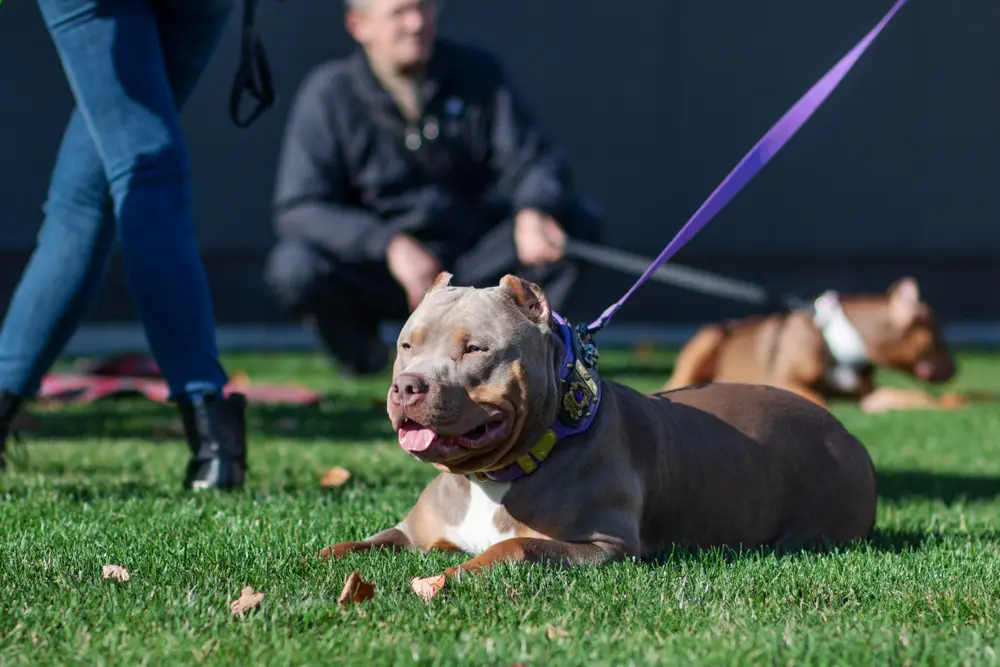
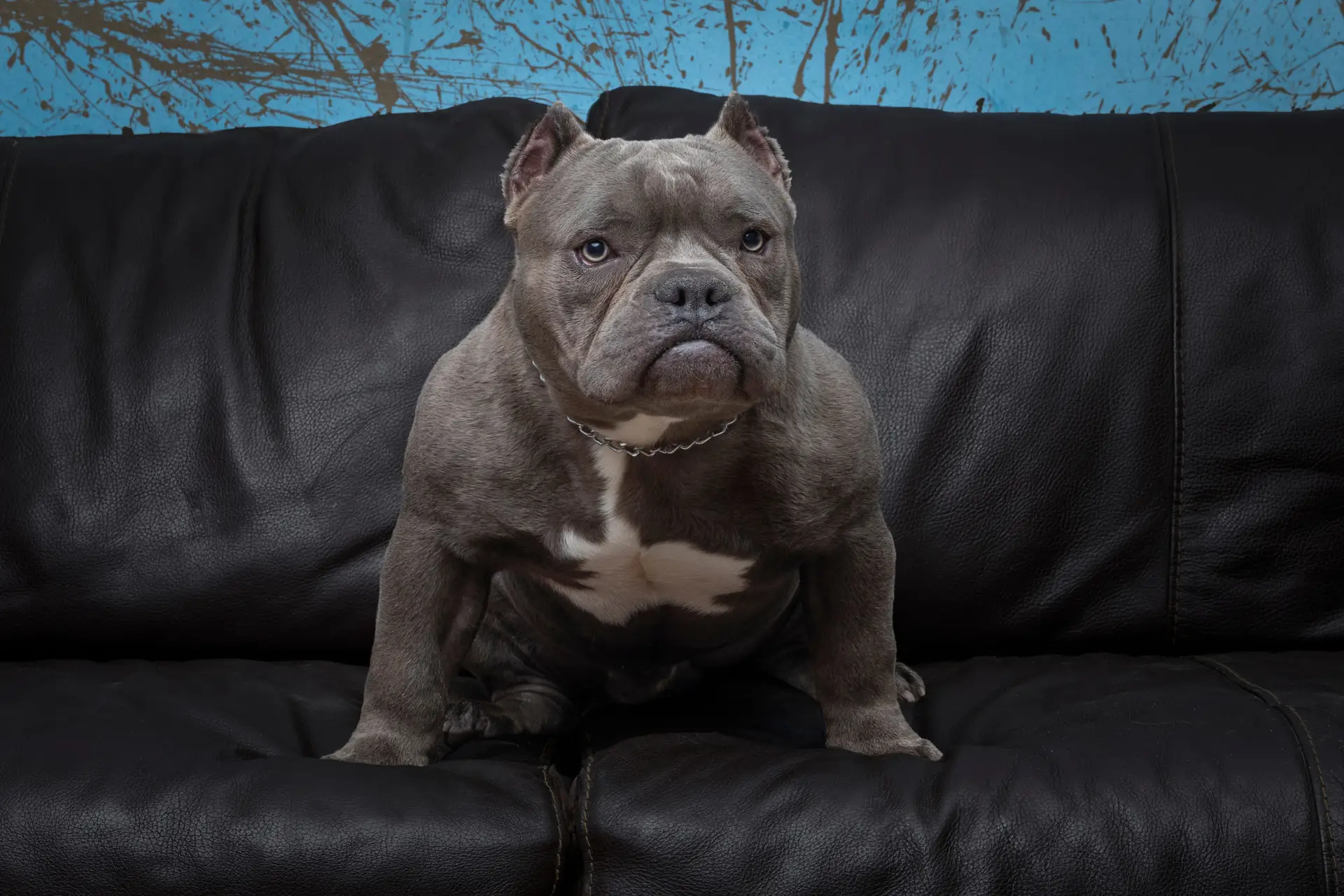
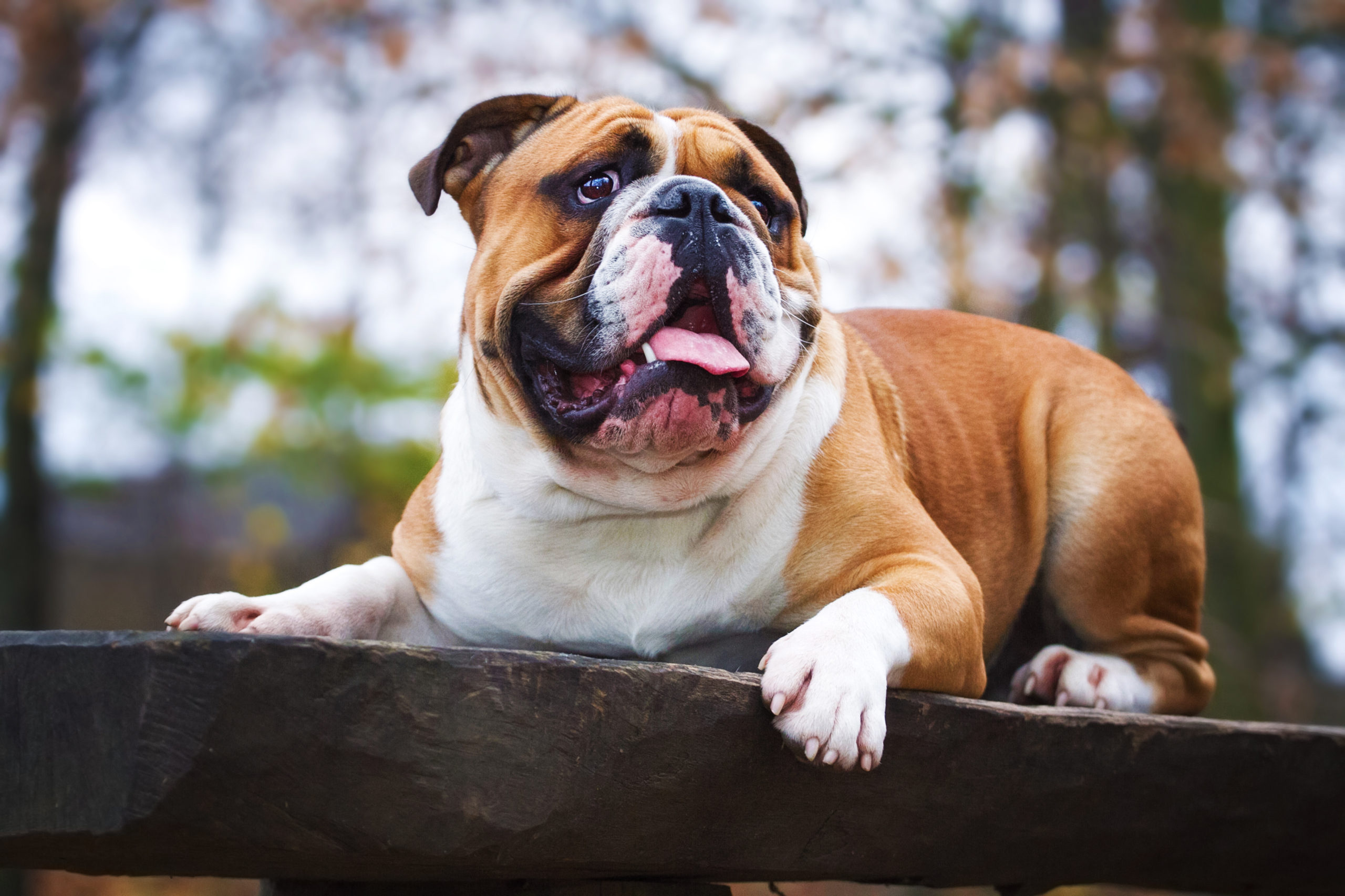
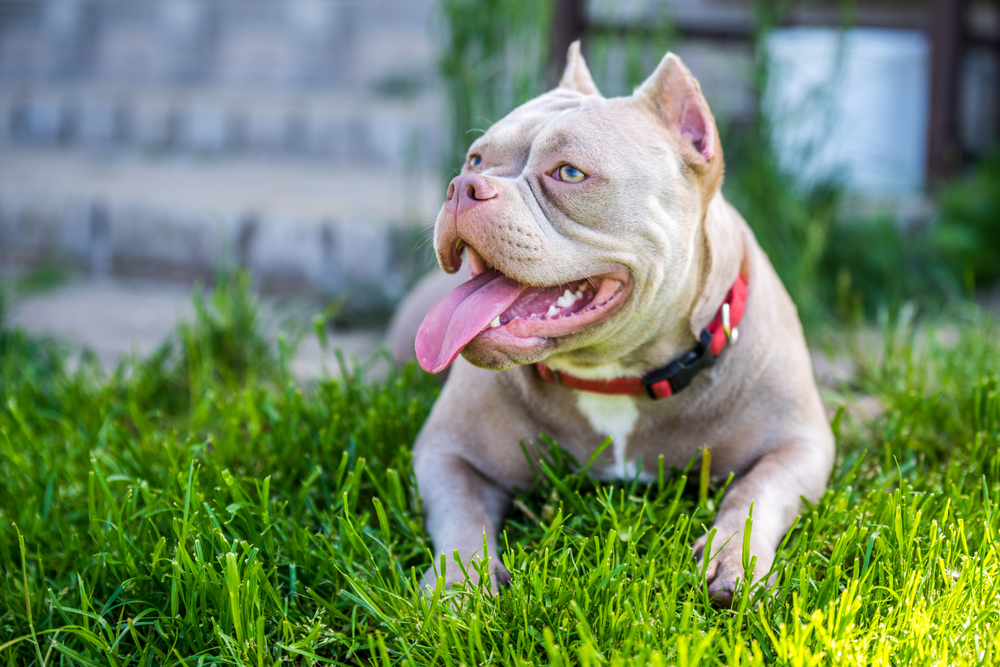
Micro Bully laying calmly in grass with muscular build and compact frame

A well-bred Micro Bully should display confidence and stability in a variety of environments. Calm posture and balanced structure are key indicators of responsible breeding and proper early development.

The Micro Bully has quickly become one of the most sought-after companion breeds in the country. Compact, muscular, and visually striking, they often turn heads — but serious buyers want to know one thing first:

What is the Micro Bully temperament really like?

At Capcity Bullys, structure and temperament always come before trends. Understanding how a Micro Bully behaves in a real family environment is essential before bringing one home.


What Is a Micro Bully’s True Temperament?

When responsibly bred, the Micro Bully is:

✔ Loyal
✔ Affectionate
✔ Confident
✔ People-oriented
✔ Highly bonded to family

Despite their powerful appearance, properly structured Micro Bullies are companion-focused and thrive on close human interaction.

To understand the breed’s background and development, read:

👉 The American Bully Breed Overview
(The American Bully Breed – TABB Breed History Article)

This provides foundational context for how the breed was developed for temperament balance.


Are Micro Bullies Good With Children?

Yes — when raised and socialized properly.

Micro Bullies are typically:

  • Gentle with children
  • Playful but controllable
  • Protective without instability
  • Emotionally bonded to family members

However, like any breed, structure matters.

Early exposure, calm leadership, and consistency build confidence.

For deeper insight into structured family integration, see:

👉 Raising a Confident Family Dog in a Busy Household
(Modern Dog Living – Family Dog Article)

Environment shapes outcomes.


Micro Bully Energy Levels

Micro Bullies are active but not hyperactive.

They require:

  • Daily engagement
  • Short training sessions
  • Mental stimulation
  • Moderate structured exercise

They are not marathon runners — but they do need purpose.

For enrichment ideas that support intelligent companion breeds:

👉 Mental Stimulation for High-Energy Dogs (Beyond Walks)
(Modern Dog Living – Mental Stimulation Article)

Mental fatigue improves emotional balance.


Socialization & Early Development

Early development plays a critical role in long-term temperament.

Proper exposure includes:

  • Different environments
  • Various surfaces
  • Controlled social interaction
  • Household noise
  • Calm crate introduction

At Capcity Bullys, we prioritize early environmental confidence.

To understand structured development principles:

👉 The Modern Dog Routine: How Structure Shapes Behavior
(Modern Dog Living – Routine Article)

Routine builds predictability — predictability builds stability.


Protective Instinct vs Aggression

There is a major difference between protectiveness and aggression.

A properly bred Micro Bully should be:

  • Confident, not reactive
  • Alert, not unstable
  • Social, not fearful

Instability usually results from:

  • Poor breeding selection
  • Lack of structure
  • Inconsistent leadership

Responsible breeding focuses on temperament consistency.

For deeper understanding of behavior foundations, see:

👉 Positive Reinforcement in Real Life (Not Just in Theory)
(Modern Dog Living – Training Article)

Clear communication builds reliability.


Preventing Behavioral Problems Early

Common issues such as:

  • Chewing
  • Jumping
  • Overexcitement
  • Guarding behavior

Are usually preventable with:

✔ Structure
✔ Boundaries
✔ Enrichment
✔ Consistency

For proactive prevention strategies:

👉 Preventing Destructive Behavior Before It Starts
(Modern Dog Living – Destructive Behavior Article)

Prevention is always easier than correction.


Health & Structure Go Hand in Hand

Temperament stability is strongly tied to:

  • Proper structure
  • Balanced proportions
  • Sound movement
  • Healthy joints

At Capcity Bullys, breeding decisions prioritize long-term health and temperament alignment — not just appearance.

For general canine health principles:

👉 Dog Health & Wellness Guide
(The Complete Dog Guide – Health & Wellness Section)


What Makes Capcity Bullys Different?

We believe Micro Bullies should be:

  • Structurally correct
  • Temperamentally stable
  • Family-integrated
  • Confident in multiple environments

Our breeding program focuses on:

  • Bloodline consistency
  • Sound structure
  • Balanced temperament
  • Early socialization exposure

The goal is not just a visually impressive dog — but a lifelong companion.


Final Thoughts

The Micro Bully temperament, when responsibly developed, offers:

  • Loyalty
  • Affection
  • Confidence
  • Emotional connection
  • Family stability

But temperament does not happen by accident.

It is built through:

✔ Responsible breeding
✔ Early development
✔ Structured leadership
✔ Ongoing training

If you’re considering adding a Micro Bully to your home, education should always come first.


🐾 Navigation Footer – Capcity Bullys


Micro Bully Education

  • Micro Bully Temperament Guide
    (Capcity Bullys – Current Article)
  • Micro vs Pocket Bully Comparison
    (American Bully Breed – ABB Comparison Article)
  • American Bully Breed History
    (The American Bully Breed – TABB History Article)
  • Dog Health & Wellness Fundamentals
    (The Complete Dog Guide – Health Section)

Lifestyle & Training Resources

  • The Modern Dog Routine
    (Modern Dog Living – Routine Article)
  • Mental Stimulation for High-Energy Dogs
    (Modern Dog Living – Enrichment Article)
  • Positive Reinforcement Training
    (Modern Dog Living – Training Article)
  • Preventing Destructive Behavior
    (Modern Dog Living – Behavior Article)
  • Raising a Confident Family Dog
    (Modern Dog Living – Family Article)

Explore Capcity Bullys

  • Available Micro Bully Puppies
    (Capcity Bullys – Available Puppies Page)
  • Our Breeding Program
    (Capcity Bullys – About Us Page)
  • Contact Capcity Bullys
    (Capcity Bullys – Contact Page)

Capcity Bullys
Power. Pedigree. Precision.
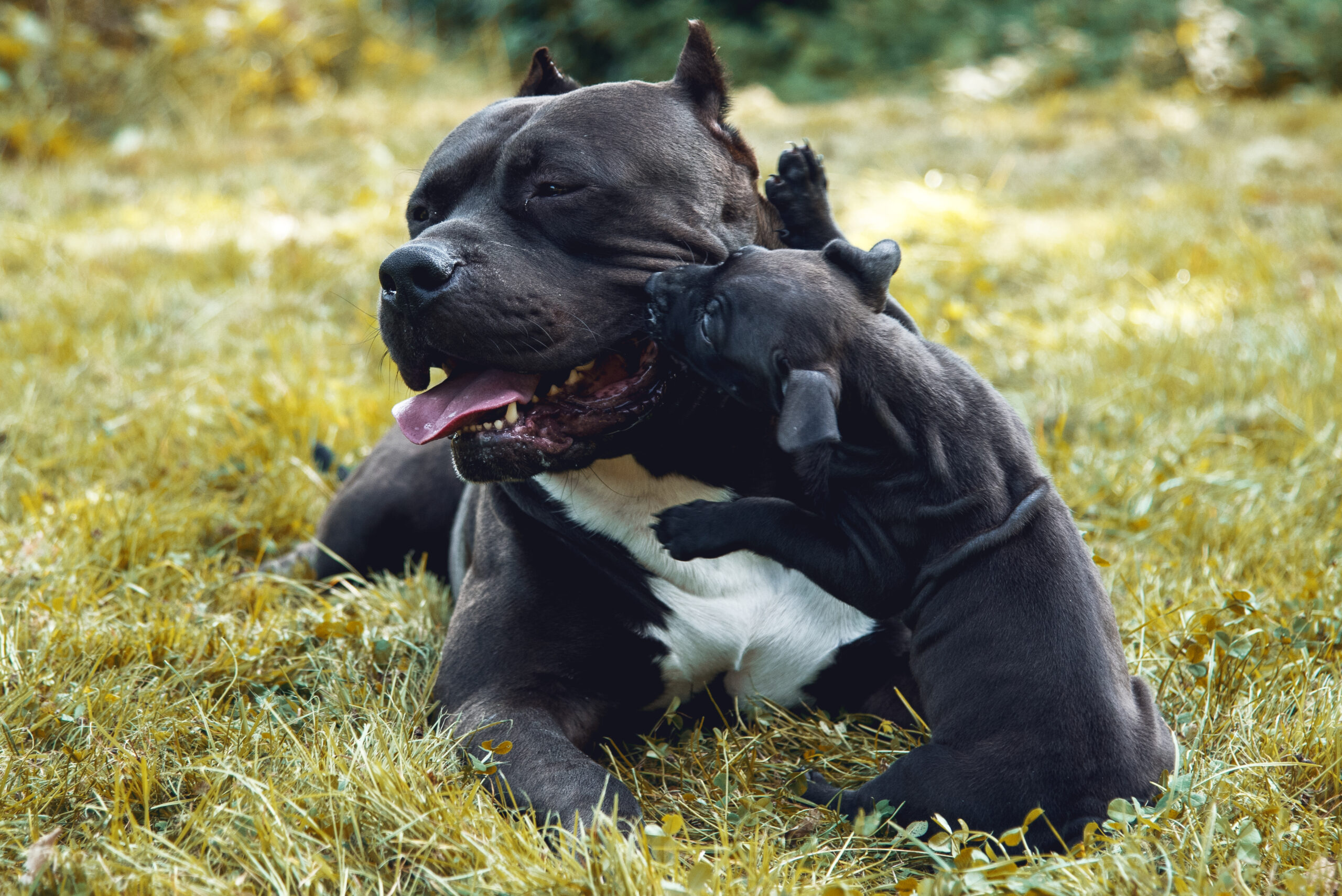
Understanding Micro American Bullies: Traits, Temperament, and Care

Micro American Bully Puppies

January 13, 2026 · Capcity Bullys

Micro American Bullies have quickly become one of the most sought-after companion dogs for families and enthusiasts who want the iconic American Bully look in a smaller, more manageable size. Known for their compact structure, muscular build, and people-focused temperament, Micro Bullies combine presence with companionship.

This guide explains what truly defines a Micro American Bully, including physical traits, temperament, health considerations, and daily care. Whether you’re researching the breed or preparing to bring a puppy home, understanding these fundamentals helps ensure responsible, confident ownership.


What Is a Micro American Bully?

A Micro American Bully is a compact variation within the American Bully breed. While not recognized as a separate size class by every registry, Micro Bullies are commonly understood to be smaller than Pocket Bullies, often measuring under 13 inches at the shoulder when mature.

Despite their reduced height, Micro American Bullies retain the hallmark characteristics of the breed:

  • Broad chest and heavy bone
  • Thick neck and powerful shoulders
  • Compact, muscular frame
  • Confident, balanced posture

Responsible breeding focuses on structure, temperament, and health, not extreme downsizing. Size should never come at the expense of movement, breathing, or overall well-being.

For a full foundation overview of the breed itself, see:
👉 American Bully Breed Overview (AmericanBullyBreed.com)


Physical Traits of Micro American Bully Puppies

Compact Size, Substantial Build

Micro American Bully puppies are short in stature but solid in build. Adult weight typically ranges between 20–40 pounds, depending on genetics and bloodline. Their compact frame makes them well suited for owners who appreciate a powerful look without the space demands of larger dogs.

Head and Expression

One of the most recognizable features of Micro Bullies is the blocky head and strong expression, often including:

  • Wide skull
  • Short, well-defined muzzle
  • Pronounced cheek muscles
  • Strong jawline

Correct proportions and breathing function are essential markers of ethical breeding.

Coat and Color

Micro American Bullies have short, smooth coats that are easy to maintain. Common colors include:

  • Blue
  • Lilac
  • Black
  • Chocolate
  • Tri-color
  • Merle (when ethically bred)

Coat color does not influence temperament or behavior.


Temperament: The True Strength of the Micro Bully

Loyal and Affectionate

Despite their muscular appearance, Micro American Bullies are deeply people-oriented. They thrive on companionship and form strong emotional bonds with their families. When well bred, they are calm, affectionate, and eager to please.

A deeper temperament breakdown is available here:
👉 American Bully Temperament & Personality Guide (AmericanBullyBreed.com)

Family-Friendly Nature

Micro Bullies are typically gentle and tolerant when raised with proper structure and early socialization. Their stable temperament makes them suitable for families, including homes with children, when interactions are supervised and respectful.

Confidence Without Aggression

Well-bred Micro American Bullies are confident, not reactive. Aggression is not a desired trait in the breed and is often the result of poor breeding, lack of training, or inadequate socialization.

Compatibility With Other Pets

With early exposure and consistent training, Micro Bullies usually coexist well with other dogs and household pets. Structured introductions and calm leadership are key.


Caring for Micro American Bully Puppies

Nutrition and Diet

Proper nutrition plays a major role in healthy development. Micro American Bully puppies benefit from:

  • High-quality animal protein
  • Balanced fats for energy and coat health
  • Joint-supporting nutrients

Avoid overfeeding, as excess weight can place unnecessary stress on joints.

For nutrition fundamentals, see:
👉 American Bully Nutrition & Balanced Diets (AmericanBullyBreed.com)

Exercise Needs

Micro Bullies enjoy daily activity but do not require excessive or high-impact exercise. Ideal activities include:

  • Short daily walks
  • Structured play sessions
  • Mental enrichment

Overexertion during puppyhood should be avoided to protect developing joints.

Learn more here:
👉 Best Exercise Routines for American Bullies (AmericanBullyBreed.com)

Training and Socialization

Micro American Bullies are intelligent and respond best to positive reinforcement. Early training should focus on:

  • Basic obedience
  • Leash manners
  • Confidence-building social experiences

Consistency and calm leadership produce stable, well-mannered adults.


Health Considerations for Micro American Bullies

Common Health Concerns

When poorly bred, Micro Bullies may be prone to:

  • Joint issues
  • Breathing challenges from overly short muzzles
  • Skin sensitivities
  • Structural imbalances

These risks are greatly reduced when breeders prioritize function and health.

For health fundamentals, visit:
👉 American Bully Health & Care Guide (AmericanBullyBreed.com)

The Role of Ethical Breeding

Responsible breeding avoids “extreme” or “teacup” claims and focuses instead on longevity, movement, and temperament. Ethical programs emphasize quality over size reduction.

Learn more about responsible standards here:
👉 Ethical American Bully Breeding Practices (TheAmericanBullyBreed.com)


Grooming and Maintenance

Micro American Bullies are low-maintenance dogs. Basic care includes:

  • Weekly brushing
  • Regular nail trimming
  • Ear cleaning
  • Dental care

Routine grooming also allows owners to monitor skin and overall condition.

Grooming fundamentals:
👉 Grooming Essentials for American Bully Owners (TheAmericanBullyBreed.com)


Is a Micro American Bully Right for You?

Micro American Bullies are ideal for owners who want:

  • A loyal, people-focused companion
  • A muscular dog in a compact size
  • A breed that thrives on interaction
  • Apartment or small-home compatibility (with exercise)

They require commitment to training, structure, and long-term care.


Final Thoughts

Micro American Bullies combine strength, confidence, and affection into a compact companion when bred and raised responsibly. Understanding their traits, temperament, and care needs helps ensure they thrive as stable, well-adjusted family dogs.

Education, ethical breeding, and consistent care are the foundation of a successful Micro Bully ownership experience.

For more information about responsible breeding, visit Capcity Bullys and explore our educational resources.


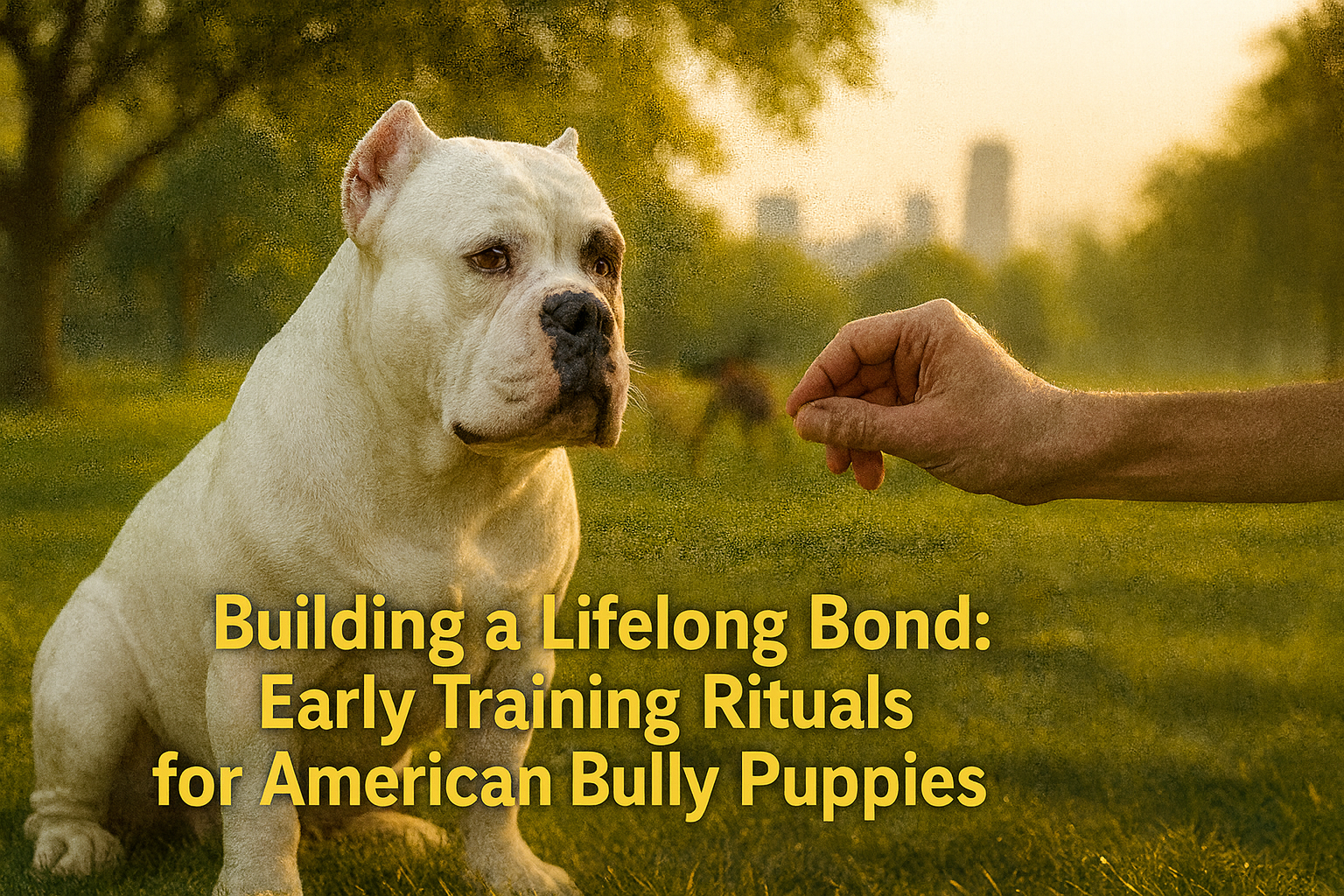
Building a Lifelong Bond: Early Training Rituals for American Bully Puppies

Bond Comes Before Behavior

Raising a confident, well-adjusted American Bully begins long before formal obedience training. The strongest results come from focusing first on the relationship—the bond that creates trust, emotional safety, and cooperation. Early training rituals aren’t just about teaching commands like sit or stay; they shape how a puppy views the world and their role within it.

When handled intentionally, the first weeks transform uncertainty into confidence and curiosity into connection. This guide explains the early rituals that matter most, why they work specifically for the American Bully temperament, and how to apply them during the critical first days and weeks at home.

For a foundational understanding of the breed’s temperament and developmental needs, see:
👉 American Bully Temperament & Personality Guide


Why Early Training Rituals Matter

American Bully puppies go through a highly sensitive developmental period during their first weeks of life. Experiences during this time influence:

  • Emotional stability

  • Stress tolerance

  • Responsiveness to guidance

  • Long-term confidence

Training at this stage should feel like play with purpose—short, positive interactions that teach the puppy one essential truth: engaging with you brings clarity, comfort, and good outcomes.

This is not about dominance or control. It’s about teaching your puppy that you are a calm, predictable anchor.


Core Early Training Rituals That Build Trust

1. Name Association Ritual

A puppy’s name should always predict something positive.

  • Say the puppy’s name once

  • Reward immediately with a treat or calm praise

  • Practice only in low-distraction moments at first

This builds attention without pressure and teaches the puppy to choose engagement.


2. Handling & Touch Conditioning

American Bully puppies benefit greatly from early comfort with handling.

Daily short sessions should include:

  • Gentle paw, ear, and mouth touches

  • Collar and body handling

  • Calm reward after each interaction

This ritual supports:

  • Future veterinary visits

  • Grooming tolerance

  • Long-term confidence

For grooming and handling fundamentals, see:
👉 Grooming Essentials for American Bully Owners


3. Crate as Comfort, Not Confinement

Crate training should establish the crate as a safe personal space, never punishment.

Best practices:

  • Allow voluntary entry

  • Use treats and calm praise

  • Keep sessions brief and positive

A crate becomes an emotional reset zone when introduced correctly.


4. Short, Positive Training Sessions

American Bullies are intelligent and responsive but can disengage if sessions run too long.

Ideal structure:

  • 5–10 minute sessions

  • Mix basic cues with play

  • Always end on success

This rhythm builds cooperation instead of resistance.


5. Early Social Exposure Ritual

Socialization should be measured and intentional, not overwhelming.

Effective approach:

  • One new experience per interaction

  • Calm observation first

  • Reward relaxed curiosity

  • Follow exposure with rest

For a broader overview of social development and readiness, see:
👉 Preparing for an American Bully in Your Home


Daily Rituals That Reinforce the Bond

Predictable Routine

Consistency creates emotional safety.

Anchor the day with:

  • Morning engagement

  • Midday enrichment

  • Evening calm connection

Puppies thrive when they can predict their environment.


Reward-First Mindset

Instead of correcting mistakes, reward desired behavior early and often.

This builds:

  • Choice-based cooperation

  • Emotional trust

  • Faster learning


Leash Connection Walks

Early walks are about engagement, not distance.

  • Reward check-ins

  • Keep the leash loose

  • Encourage exploration without pulling

These walks teach partnership.


Calm Transitions

Avoid overstimulation during arrivals and departures.

  • Keep greetings low-key

  • Reward settling behavior

  • Normalize routine changes

This prevents anxiety and over-arousal.


Breed-Specific Considerations for American Bullies

American Bullies often attract attention due to their appearance. Early exposure to calm observation and varied human reactions helps prevent over-alertness.

Introduce:

  • New people gradually

  • Different environments slowly

  • Stimuli at a safe distance first

This keeps confidence grounded rather than reactive.


Why These Rituals Work

These rituals don’t just teach obedience—they build emotional currency. When positive interaction, predictability, and gentle leadership are repeated consistently, puppies internalize stability.

That stability becomes:

  • Reliability in new environments

  • Calm responses to stress

  • Willing cooperation


Common Early Mistakes These Rituals Prevent

  • Overwhelming social exposure

  • Inconsistent handling between family members

  • Punishing fear responses

  • Skipping emotional reset moments

Small rituals repeated daily outperform intense, inconsistent training every time.


Sample First Two-Week Ritual Plan

Days 1–3

  • Name association practice

  • Gentle handling

  • Crate exploration

  • Establish daily rhythm

Days 4–7

  • Short leash walks

  • One new texture or surface daily

  • Calm visitor introductions

  • Basic cue practice

Week 2

  • Grooming simulation handling

  • Mild sound exposure

  • Increased crate comfort

  • Daily calm check-ins


Keeping the Bond Strong Long-Term

As puppies mature, rituals evolve—but they never disappear.

Maintain:

  • Weekly cue refreshers

  • Monthly new-environment outings

  • Occasional surprise rewards

These habits turn training into lifelong cooperation.


Wrapping It Up

A strong American Bully doesn’t come from force—it comes from trust built early and reinforced daily. The rituals outlined here form a blueprint for raising a confident, emotionally stable companion who chooses engagement because the relationship was built correctly from the beginning.

Consistency compounds. Small moments matter.


Next Steps

  • Create a simple daily ritual checklist

  • Track progress weekly

  • Align handling methods across the household

  • Introduce novelty slowly and positively

For more education on American Bully development, temperament, and ownership readiness, explore the full resource hub at:
👉 AmericanBullyBreed.com

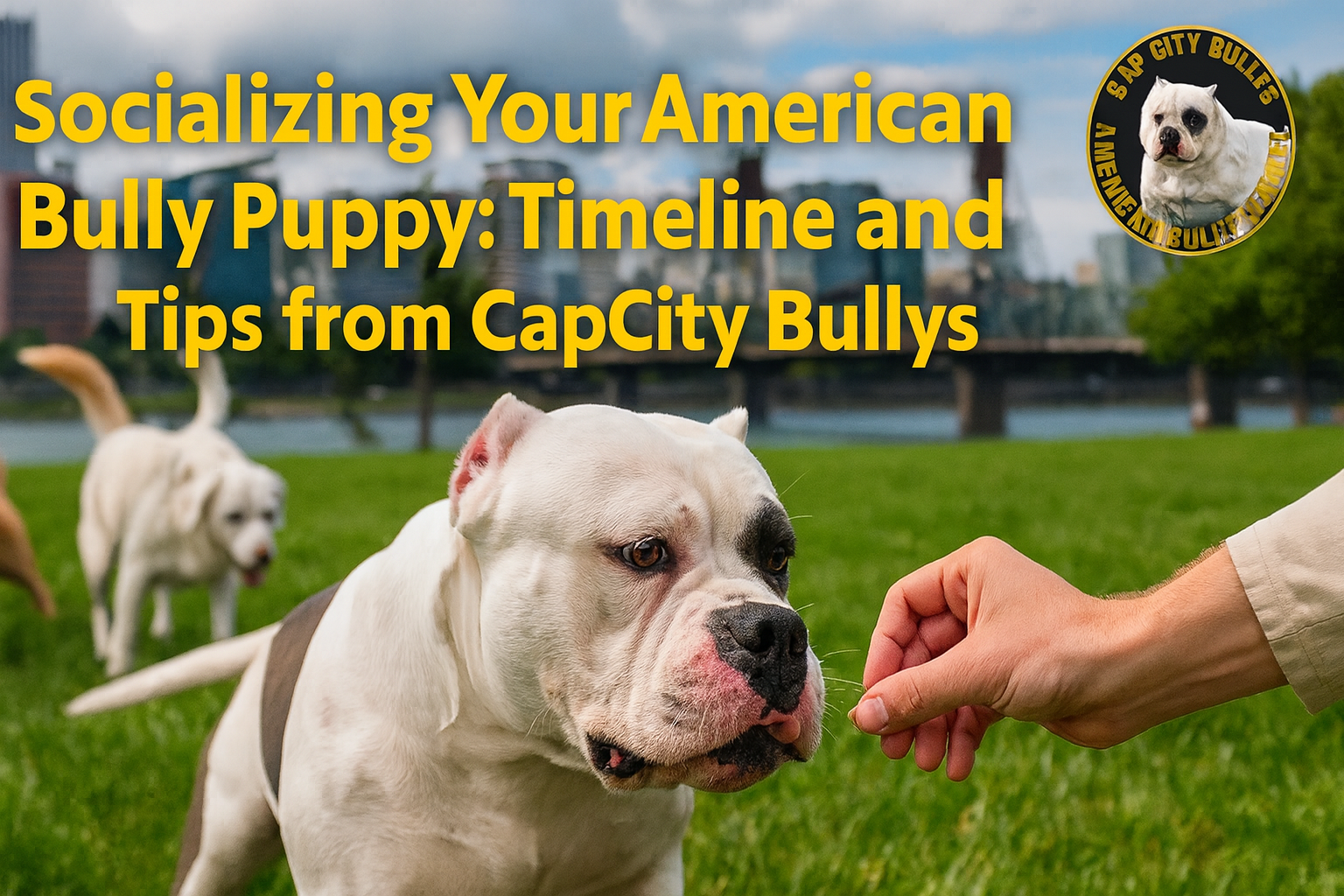
Socializing Your American Bully Puppy: Timeline and Tips from CapCity Bullys

American Bully Puppy Socialization Timeline from American Bully Breeder Cap City bullys

Why Socialization Is the Foundation of a Confident American Bully

Bringing home an American Bully puppy is an exciting milestone—but raising a confident, stable companion requires intention from day one. Socialization is not optional. It is one of the most important factors shaping how your Bully responds to people, environments, other animals, and unfamiliar situations throughout life.

When socialization is handled correctly, American Bullies grow into calm, adaptable dogs with strong emotional resilience. When it is rushed, delayed, or neglected, puppies may develop fear-based behaviors, reactivity, or unnecessary stress responses that are difficult to reverse later.

At Capcity Bullys, we begin structured social exposure before puppies ever leave our care and guide new owners on how to continue that process responsibly at home. This guide provides a clear, realistic roadmap—rooted in breeder experience and veterinary-backed best practices—to help your puppy develop confidence at every stage.

For a foundational overview of responsible ownership, we recommend starting with:
👉 Preparing for an American Bully in Your Home


Understanding the Socialization Window: Why Timing Matters

Puppies experience a critical socialization window between approximately 3 and 14 weeks of age. During this period, their brains are especially receptive to new experiences. Positive exposure during this window helps shape lifelong emotional stability and adaptability.

According to the American Veterinary Medical Association, controlled early exposure is essential for preventing fear-based behaviors later in life:
👉 https://www.avma.org/resources-tools/pet-owners/petcare/socialization-dogs-cats

At Capcity Bullys, this process begins while puppies are still with the litter, providing a stable foundation that new owners can build upon.


Weeks 0–3: Early Foundation (Breeder Phase)

Before puppies leave Capcity Bullys, they are introduced to:

  • Gentle daily handling (paws, ears, body awareness)

  • Mild environmental textures and surfaces

  • Calm human interaction and varied voices

  • Littermate interaction for bite inhibition and canine communication

This early exposure supports smoother transitions into new homes and helps puppies adapt more easily to routine care.

Learn more about our standards here:
👉 Why Capcity Bullys Focuses on Structure, Temperament & Pedigree


Weeks 3–7: Early Home Socialization (Owner Continuation)

This stage is about short, positive exposures, never overwhelming experiences.

Key Focus Areas

  • People introductions: Calm adults, varied appearances, gentle energy

  • Handling routines: Light grooming touches paired with rewards

  • Sounds: Household noises introduced gradually

  • Surfaces: Carpet, tile, grass, thresholds

  • Controlled dog exposure: Only with healthy, well-socialized dogs

Use a “one new thing per experience” approach. If your puppy hesitates, reduce intensity and try again later.


Weeks 8–12: Broadening Experience Safely

As confidence grows, puppies can handle more variety—still at a controlled pace.

  • Short car rides

  • Puppy-safe retail environments (if vaccines allow)

  • Structured puppy classes

  • Introduction to simple cues like “sit” and name recognition

  • Early leash exposure focused on calm movement, not distance

This phase helps puppies learn that new environments are safe when guided by calm leadership.

For training structure, see:
👉 American Bully Training Fundamentals


Weeks 13–16+: Generalization & Maintenance

Socialization does not stop—it evolves.

  • Practice learned behaviors in new settings

  • Expect temporary fear phases; respond with patience

  • Reinforce calm responses consistently

  • Continue gentle exposure as part of daily life

Confidence comes from repetition, not intensity.


Breed-Specific Considerations for American Bullies

American Bullies often receive strong reactions due to their appearance. Early exposure to calm strangers, varied environments, and neutral reactions helps prevent unnecessary alertness or guarded behavior.

When socialized responsibly, Bullies remain confident without becoming reactive—an outcome we prioritize in every Capcity Bullys litter.

Learn more about breed temperament here:
👉 American Bully Temperament & Personality Guide


Best Practices for Long-Distance Buyers

Capcity Bullys works with families nationwide. If your puppy is delivered:

  • Review the puppy’s socialization summary immediately

  • Mirror early routines for the first few days

  • Introduce novelty gradually after the puppy settles

  • Maintain structure before adding stimulation

See current availability here:
👉 Available Puppies at Capcity Bullys


Common Socialization Mistakes to Avoid

  • Waiting until all vaccines are complete before any exposure

  • Overloading the puppy with too much novelty at once

  • Ignoring subtle stress signals (lip licking, freezing, turning away)

  • Using correction instead of reinforcement during fear responses

The ASPCA offers helpful guidance on recognizing stress signals:
👉 https://www.aspca.org/pet-care/dog-care/common-dog-behavior-issues/socialization


Trusted Resources Supporting This Approach


Helpful Capcity Bullys Resources

Socialization is not about forcing confidence—it’s about building trust through consistency, patience, and positive exposure. When done correctly, American Bully puppies grow into emotionally balanced adults who adapt confidently to the world around them.

At Capcity Bullys, we believe responsible ownership starts with education, structure, and ethical breeding. When breeders and owners work together, the results last a lifetime.


📘 Continue Learning

Preparing for an American Bully in Your Home
American Bully Training Fundamentals
Understanding Ethical American Bully Breeding
American Bully Temperament & Personality Guide

American Bully Training: Expert Positive Reinforcement Techniques

Master American Bully training in Pennsylvania using proven positive reinforcement methods. Boost obedience, socialization, and your bond with your Bully.

Training an American Bully is not about dominance, force, or intimidation. It is about communication, structure, and trust. When done correctly, training shapes a calm, confident companion that reflects the best qualities of the breed—stable temperament, strong human bonds, and balanced behavior.

At Capcity Bullys, training is viewed as an extension of ethical breeding and responsible ownership. Well-bred American Bullies thrive when guided with clarity, consistency, and positive reinforcement. This guide explains how modern, evidence-based training techniques support emotional stability, behavioral reliability, and long-term success.


Why Positive Reinforcement Works for American Bullies

Positive reinforcement focuses on rewarding desired behaviors rather than punishing mistakes. This approach aligns naturally with the American Bully’s temperament.

American Bullies are:

  • Highly people-oriented

  • Emotionally responsive to handler tone

  • Motivated by engagement, praise, and clarity

Punishment-based methods often create confusion or stress, especially in intelligent, socially driven breeds. Positive reinforcement builds trust and encourages dogs to make good choices willingly.

Training should feel predictable and safe—not confrontational.


Understanding the American Bully Mindset

American Bullies are confident by nature, but confidence requires guidance. Without structure, confidence can turn into impulsiveness. Without leadership, intelligence can become frustration.

Effective training accounts for:

  • Emotional regulation, not just obedience

  • Clear expectations paired with calm feedback

  • Consistent routines that reduce uncertainty

For deeper insight into behavioral traits, explore:
👉 American Bully Temperament & Personality


Core Principles of Positive Reinforcement Training

Successful training rests on a few essential principles that apply at every stage of development.

1️⃣ Timing Is Everything

Rewards must occur immediately after the desired behavior. Delayed reinforcement weakens learning and creates confusion.

2️⃣ Consistency Creates Clarity

All household members should use the same cues, rules, and expectations.

3️⃣ Calm Energy Wins

American Bullies respond best to calm, confident leadership rather than high emotional input.

4️⃣ Progress Over Perfection

Training advances gradually. Mistakes are part of learning, not failure.


Training Foundations Every American Bully Should Learn

Training begins the moment an American Bully enters the home. Early focus should be on communication and structure rather than strict obedience.

Essential early skills include:

  • Name recognition

  • Calm engagement with handlers

  • Gentle handling tolerance

  • Basic cues such as sit, down, and recall

  • Leash familiarity

For structured early guidance, see:
👉 American Bully Training Fundamentals


Positive Reinforcement in Real-World Scenarios

Training does not happen only during formal sessions. The most effective American Bully training happens throughout daily life, where behaviors are practiced, reinforced, and generalized.

Rewarding Calm Behavior (Not Just Commands)

One of the most overlooked training opportunities is reinforcing calm neutrality.

Examples include:

  • Lying quietly while you work

  • Sitting patiently before meals

  • Choosing not to react to passing people, dogs, or noises

  • Remaining relaxed during routine household activity

Rewarding these moments teaches your American Bully that calm behavior is valuable. Over time, neutrality becomes the default response rather than excitement or frustration—an essential skill for a naturally alert, people-focused breed.

Calm reinforcement should be subtle. Quiet praise, gentle touch, or low-value rewards are often more effective than high excitement. The goal is emotional balance, not arousal.


Using Daily Routines as Training Opportunities

Every routine interaction is a chance to reinforce good behavior.

Daily moments that support training include:

  • Waiting calmly at doors before going outside

  • Settling on a mat during family meals

  • Walking through the home without jumping or rushing

  • Relaxing during crate time or rest periods

When structure is reinforced within everyday routines, training becomes automatic rather than forced. Dogs learn that calm, cooperative behavior consistently leads to positive outcomes.

For foundational structure that supports daily training, see:
👉 American Bully Training Fundamentals


Redirecting Unwanted Behavior Without Punishment

Unwanted behaviors are best handled through redirection, not correction.

Effective redirection includes:

  • Asking for a sit instead of allowing jumping

  • Redirecting chewing to appropriate toys

  • Moving the dog away from overstimulating situations

  • Replacing excitement with a calm task

This approach preserves trust while maintaining clear boundaries. Over time, dogs learn which behaviors consistently earn reinforcement.


Generalizing Training Beyond the Home

A behavior learned in the living room must be practiced elsewhere to become reliable.

Generalization includes:

  • Practicing cues in different rooms

  • Reinforcing behavior during walks

  • Encouraging calm responses in public environments

  • Introducing mild distractions gradually

Without generalization, obedience becomes context-dependent. Consistent reinforcement across environments ensures training holds up in real-world situations.

For guidance on confidence-building exposure, see:
👉 Socializing Your American Bully Puppy


Why Real-World Reinforcement Creates Lasting Results

Formal training sessions teach skills. Daily reinforcement turns those skills into habits.

When positive reinforcement is woven into everyday life, American Bullies develop:

  • Emotional stability

  • Strong impulse control

  • Reliable behavior without constant prompting

  • Trust in their handler’s leadership

Training stops being something you do and becomes something you live—which is where lasting results come from.


Training as Part of Responsible Ownership

Training success is inseparable from preparation, structure, and ethical breeding.

Owners who plan ahead and maintain consistency are better equipped to:

  • Prevent behavioral challenges

  • Support emotional balance

  • Strengthen the human-dog bond

  • Guide dogs confidently through adolescence

For preparation guidance, see:
👉 Preparing for an American Bully in Your Home

For ethical foundations that support temperament, explore:
👉 Ethical American Bully Breeding Practices


Final Thoughts

American Bully training succeeds when clarity replaces force and guidance replaces correction. Positive reinforcement builds trust, strengthens communication, and supports the stable temperament the breed is known for.

With patience, structure, and consistency, American Bullies grow into calm, confident companions that reflect responsible ownership at its best.


📘 Continue Learning About American Bully Ownership

What Is an American Bully?
American Bully Temperament & Personality
Preparing for an American Bully in Your Home
American Bully Training Fundamentals
Socializing Your American Bully Puppy
Ethical American Bully Breeding Practices

Best Training Tips for American Bullies

American Bullies are not just stunningly muscular and athletic dogs; they are also intelligent, loyal, and eager to please. These qualities make them highly trainable, but successful training requires a consistent and positive approach. Whether you’re raising a puppy or working with an adult dog, proper training is essential to ensure your American Bully becomes a well-mannered and confident companion.

In this guide, we’ll dive into the best training tips for American Bullies, focusing on three critical areas: obedience, socialization, and advanced training techniques.


Understanding the American Bully’s Temperament

Before diving into training tips, it’s important to understand the American Bully’s temperament. Known for their affectionate and gentle nature, American Bullies are loyal to their families and thrive on human interaction. They are naturally social and intelligent, which makes training an enjoyable experience when approached with consistency and patience.

However, due to their strength and enthusiasm, early training is crucial to prevent unwanted behaviors from becoming ingrained.


1. Obedience Training

Start with Basic Commands

Obedience training lays the foundation for a well-behaved dog. Begin teaching basic commands as early as 8 weeks old. Essential commands include:

Sit

Stay

Come

Leave it

Down

Use positive reinforcement techniques such as treats, praise, and toys to reward your dog for following commands. Keep sessions short and fun to maintain your dog’s attention.

Be Consistent

Consistency is key when training any dog, especially a strong-willed breed like the American Bully. Use the same commands and rewards every time to avoid confusion. If multiple people are involved in training, ensure everyone uses the same approach and terminology.

Incorporate Leash Training

Leash training is an essential part of obedience, as it ensures your Bully is safe during walks. Use a short leash at first to maintain control and reward your dog for walking calmly beside you. Avoid pulling on the leash, as this can create tension and lead to resistance.


2. Socialization

Socialization is crucial for American Bullies to develop into confident and well-adjusted adults. Proper socialization helps reduce fear and aggression while encouraging positive interactions with people, other dogs, and new environments.

Early Exposure

Expose your American Bully puppy to a variety of situations, including:

  • Different people (children, adults, and seniors)

  • Other dogs and animals

  • New environments such as parks, streets, and pet-friendly stores

  • Everyday sounds like traffic, vacuum cleaners, and doorbells

Aim to make each experience positive by rewarding calm behavior with treats and praise.

Controlled Introductions

When introducing your Bully to other dogs, ensure the interactions are controlled and supervised. Begin with calm, friendly dogs to avoid overwhelming your pup. Keep the initial meetings short and gradually increase the time as your dog becomes more comfortable.

Enroll in Puppy Classes

Puppy classes are an excellent way to socialize your American Bully while also reinforcing obedience training. These classes provide a controlled environment for your dog to interact with other puppies and learn essential skills.


3. Advanced Training Techniques

Once your American Bully masters basic obedience and socialization, you can move on to advanced training techniques to further enhance their skills and mental stimulation.

Teach Complex Commands

Challenge your dog’s intelligence by teaching more complex commands such as:

Roll Over

Fetch Specific Items

Go to Your Place

Spin

Break each command into smaller steps and reward progress along the way. Patience is key, as advanced commands may take time to perfect.

Focus on Impulse Control

Impulse control training helps your Bully stay calm and focused in stimulating situations. Exercises like “Wait,” “Leave It,” and “Place” teach your dog to control their impulses and respond to your cues.

Agility Training

American Bullies have impressive athleticism, making them excellent candidates for agility training. Set up an obstacle course with tunnels, jumps, and weave poles to challenge their physical and mental abilities. This is a great way to burn energy and strengthen your bond.

Train for Specific Roles

If you want your American Bully to take on a specific role, such as a therapy dog or a protector, tailor their training accordingly:

  • Therapy Dogs: Focus on calm behavior, desensitization to various environments, and a strong “stay” command.

  • Guard Dogs: Teach advanced obedience, boundary training, and appropriate alert behaviors. Ensure this training is approached responsibly to avoid unwanted aggression.


General Training Tips for Success

Use Positive Reinforcement

American Bullies respond exceptionally well to positive reinforcement. Reward desired behaviors with treats, praise, and playtime to encourage repetition. Avoid punishment, as it can lead to fear or mistrust.

Keep Sessions Short

Training sessions should last 10–15 minutes, especially for puppies. Short, frequent sessions are more effective than long, tiring ones.

Be Patient

Training takes time, and every dog learns at their own pace. Stay patient and persistent, and celebrate small victories along the way.

Provide Mental Stimulation

American Bullies are intelligent and require mental stimulation to stay happy. Puzzle toys, treat-dispensing games, and interactive play keep their minds sharp and prevent boredom.

Exercise Regularly

A well-exercised dog is easier to train. Regular physical activity reduces excess energy and helps your Bully focus during training sessions.


Common Training Challenges and How to Overcome Them

Pulling on the Leash

If your Bully pulls during walks, stop immediately and wait for them to relax before continuing. Use treats to encourage walking calmly by your side.

Jumping on People

Teach an alternative behavior, such as sitting, when greeting people. Reward calm behavior and ignore jumping to discourage the habit.

Distracted by Other Dogs

Use high-value treats and practice focus exercises to keep your dog’s attention on you during walks and social outings.


Why Training Matters

Training your American Bully is about more than just teaching commands—it’s about building a strong, trusting relationship. A well-trained Bully is a joy to be around and reflects the care and effort you’ve invested in their upbringing.

By focusing on obedience, socialization, and advanced training, you’ll set your American Bully up for a lifetime of success and happiness.


Ready to take your training to the next level? Visit Capcity Bullys for more tips, advice, and resources tailored to American Bully owners. Together, we can help your dog reach their full potential!

American Bully Training Techniques: From Basics to Advanced Commands

Training an American Bully is not about dominance — it’s about structure, clarity, and consistency.

At Capcity Bullys, we emphasize that proper training begins the moment your puppy enters your home. Whether you’re raising a Micro Bully, Pocket Bully, or Standard American Bully, the principles remain the same:

✔ Clear communication
✔ Consistent leadership
✔ Early structure
✔ Positive reinforcement

When done correctly, American Bullies become confident, obedient, and highly responsive companions.


Understanding the American Bully Mindset

The American Bully is intelligent, people-oriented, and emotionally connected to its family. They are eager to please — but they also thrive on structure.

Before diving into commands, it’s important to understand the breed’s foundation.

👉 Learn about the breed’s temperament and development
(The American Bully Breed – TABB Breed Overview Article)

Understanding temperament helps shape realistic training expectations.


Step 1: Building the Foundation (8–16 Weeks)

Early development sets the tone for lifelong behavior.

During the first weeks at home, focus on:

  • Name recognition

  • Crate training

  • Potty schedule

  • Controlled socialization

  • Basic leash introduction

Routine matters.

👉 The Modern Dog Routine: How Structure Shapes Behavior
(Modern Dog Living – Routine Article)

A predictable daily schedule reduces anxiety and accelerates learning.


Step 2: Core Obedience Commands

Every American Bully should confidently master:

  • Sit

  • Stay

  • Down

  • Come

  • Leave It

  • Place

Short, focused sessions (5–10 minutes) work best.

Reward calm execution — not just fast responses.

For reinforcement philosophy:

👉 Positive Reinforcement in Real Life (Not Just in Theory)
(Modern Dog Living – Training Article)

Clarity and timing build reliability.


Step 3: Socialization & Environmental Confidence

American Bullies are naturally people-focused, but structured exposure is still essential.

Expose your puppy to:

  • Different surfaces

  • Various environments

  • Household sounds

  • Calm introductions with guests

Confidence grows through controlled exposure.

👉 Raising a Confident Family Dog in a Busy Household
(Modern Dog Living – Family Article)

Confidence reduces future reactivity.


Step 4: Preventing Common Behavior Issues

Without proper structure, American Bullies may develop:

  • Jumping

  • Chewing

  • Pulling on leash

  • Overexcitement

  • Guarding behaviors

Prevention always beats correction.

👉 Preventing Destructive Behavior Before It Starts
(Modern Dog Living – Behavior Article)

Consistency prevents confusion.


Step 5: Intermediate Control & Impulse Work

Once basics are solid, introduce:

  • Extended duration stays

  • Distraction training

  • Heel work

  • Calm greeting protocols

  • Structured “place” training

Impulse control transforms a good dog into a stable one.

Mental stimulation is equally important.

👉 Mental Stimulation for High-Energy Dogs (Beyond Walks)
(Modern Dog Living – Enrichment Article)

Intelligent breeds require mental outlets.


Step 6: Advanced Commands & Real-World Reliability

Advanced training focuses on:

  • Off-leash reliability (in controlled environments)

  • Distance commands

  • Emergency recall

  • Calm response under high stimulation

This level of training builds trust.

However, advanced work should only follow strong foundational obedience.


Training Mistakes to Avoid

Many owners unintentionally slow progress by:

❌ Inconsistent rules
❌ Emotional corrections
❌ Overtraining sessions
❌ Skipping foundational structure

American Bullies respond best to calm, confident leadership.


Structure, Health & Performance

Training success also depends on:

  • Proper nutrition

  • Joint support

  • Healthy weight

  • Balanced exercise

For general canine health principles:

👉 Dog Health & Wellness Fundamentals
(The Complete Dog Guide – Health Section)

A healthy dog trains more effectively.


The Capcity Bullys Approach

At Capcity Bullys, we prioritize:

  • Temperament-first breeding

  • Early social exposure

  • Environmental confidence

  • Structural soundness

  • Family integration potential

Our goal is to produce American Bullies that are not just visually impressive — but mentally balanced and trainable.

If you’re considering adding one to your home, education should always come first.

👉 Explore our available American Bully puppies
(Capcity Bullys – Available Puppies Page)


Final Thoughts

American Bully training is not about force — it’s about structure.

From basic obedience to advanced reliability, success comes from:

✔ Routine
✔ Reinforcement
✔ Patience
✔ Consistency
✔ Early development

When done properly, the American Bully becomes a confident, responsive, and loyal companion for years to come.


🐾 Navigation Footer – Capcity Bullys


American Bully Education

  • American Bully Training Techniques
    (Capcity Bullys – Current Article)

  • Micro Bully Temperament Guide
    (Capcity Bullys – Micro Bully Temperament Article)

  • Micro vs Pocket Bully Comparison
    (American Bully Breed – ABB Comparison Article)

  • American Bully Breed History
    (The American Bully Breed – TABB History Article)


Lifestyle & Training Resources

  • The Modern Dog Routine
    (Modern Dog Living – Routine Article)

  • Positive Reinforcement in Real Life
    (Modern Dog Living – Training Article)

  • Mental Stimulation for High-Energy Dogs
    (Modern Dog Living – Enrichment Article)

  • Preventing Destructive Behavior
    (Modern Dog Living – Behavior Article)

  • Raising a Confident Family Dog
    (Modern Dog Living – Family Article)


Explore Capcity Bullys

  • Available Puppies
    (Capcity Bullys – Available Puppies Page)

  • Our Breeding Program
    (Capcity Bullys – About Page)

  • Contact Capcity Bullys
    (Capcity Bullys – Contact Page)

THE SOCIAL BULLY: NAVIGATING AMERICAN BULLY INTERACTIONS

When people first see the American Bully, their mind usually connects them to the ever-famous Pitbull. Although there’s some truth to that, given that the American Pit Bull Terrier is its base, this dog breed is quite the opposite of what you expect! At first glance, the Bully can seem rather unapproachable and grouchy, and their bulky look might urge you to stay far away from them. But, the reality is much different, as they can be really playful, interactive, and most of all friendly! 


Still, you may have seen reports that the American Bully can get quite aggressive with other dogs. Some counties in the US have even demanded that the breed should be banned. However, this generalization of the dog breed couldn’t be more wrong! Namely, the reason why the Bullies have acted this way is due to improper training.


So, to ease your mind, the American Bully can be the best companion you can have, only if you provide the appropriate training. Have no idea where to start? Read our blog below on the major key points you need to pay attention to.


Are American Bullies Friendly? 


Despite its grouchy look which at times can be rather intimidating, the American Bully is rather friendly and affectionate. This makes them a great option for families with small children, as they are known to be rather gentle. Still, their behavior is greatly influenced by their training, so you’ll need to keep a close eye on how they socialize with different people.


When it comes to other dog breeds, however, the Bullie’s temperament can get in the way, meaning that they won’t form connections as easily as Golden Retrievers, for example. But that doesn’t mean that they’re the social pariahs of dog breeds. On the contrary, you’ll just need to be extra patient with your training, and you must start as early as possible.


With that said, here are some tips that are proven to work and will get you the outcomes you expect.


Start Early with Socialization


If you want your American Bully puppy to be friendly with other dogs and animals, early exposure is key. In other words, you’ll need to do your best to make them socialize, as this will help them develop healthy relationships. Keep in mind that the “prey instinct” is stronger in some Bullies, meaning they are more likely to attack other animals, so keep them under strong observation.


To begin socializing your American Bully, your best bet is the dog park. But don’t just unleash them and let them roam free! Instead, carefully inspect the area to see whether it’s calm. If crowded and noisy, they can get overstimulated, resulting in a behavior that’s far off from the one you desire. With that said, make sure the area is calm, and if it is, you can let your Micro Bully socialize with other dogs, but again, ensure that both pet owners are monitoring and keeping their companions at bay. 


In contrast, if you want to be on the safe side completely, then you may want to consider starting socialization in puppy training classes or arranged play dates. It is a sure way that your puppy will be in an appropriate environment with good conditions for socializing. Also, you can take into account calm walks with other trained dogs. These are amazing methods to avoid intimidating situations for your furry companion and give them the chance to become friendly.


Do Not Forget About Rewards 


Every American Bully puppy will react positively to positive training. This means including rewards in your training system. Whenever your dog behaves well in interactions with other dogs and animals, you should give them a treat. This way, they will learn that their behavior is what their owner expects, and they will easily adopt it as a habit and a part of their personality. 


You should reward behavior, such as gentle and playful greetings to other dogs, or well-mannered playing. When you include positive reinforcement for positive behavior, you give your Pocket Bully signs of what you expect them to do. Do not wait for your pet to realize what you want from them because they need signs from you! What is the best way to do that? Giving them treats whenever they’re being such great dogs! 


Stil, be careful not to include rewards when your American Bully gets too excited and playful. Sometimes, these kinds of interactions can get too aggressive, and your pet might mistake them for a desired behavior. Incorporate your reward system in a calm and positive environment.


Find Them The Right Play Companions 


A Pocket Bully is quite similar to a child. If they have the right playdates, their behavior will turn out positive and well-mannered. So, when arranging one for your pup, ensure that you have found the right friends for them. Do not expect that your Bully will develop friendly behavior if they have aggressive friends to play with. Just like kids, dogs tend to copy other behavior and adopt habits similar to the companions they spend time with. 


You will be able to arrange play dates for longer interactions as soon as your dog has several friends who are good at interacting with each other. You must give your Micro Bully this game time to learn the right way of interacting with other dogs and building confidence.


In addition, make sure that you always monitor the play to ensure that the behavior they maintain is just like you expect. Control the interactions and never let them become too rough or aggressive. Only then you will be sure your canine is developing good manners and healthy habits.


Your American Bully can quickly become a friendly and well-mannered canine. They will interact well with other dogs if you start their socializing, training, and executing a disciplined routine early. To ensure success, arrange and plan the right kinds of interactions so they can be rewarded for good behavior. These tips will help you get on the right track and ensure you are raising a friendly companion! 


Interested in purchasing a Bully? Please check out our Puppies For Sale Page

DOG BREEDS IN THE AMERICAN BULLY – TRAITS AND TEMPERAMENT


When it comes to dog breeds, nowadays, we can find many on the market which are considered “new”. But in this world of newcomers, there is one that gained popularity and stood out from the crowd – the American bully!

Even though it doesn’t have a long history, we can promise it is an exciting and interesting one! So today, we will talk about everything connected to this breed. Let’s explore its origins and find out why there is a heightened interest in having this particular dog as a part of a family.

Where does it come from?

As we mentioned, the American bully is a relatively new breed that only made its first step onto the dog scene about 20 years ago. It was bred from different breeds and carefully selected to create the ultimate family companion dog with a good temperament and physical characteristics.

What is amazing about its breeding process is that the target was also to remove each specific breed’s negative aspects. That said, some of the species included in the creation of the American bully include the American Staffordshire Terrier, the American Pit Bull Terrier, the French Bulldog, the English Bulldog, and some other bulldog breeds. Even more extraordinarily, the typical aggression present in these breeds was removed, as well as the hunting instinct, creating a wonderful dog that is perfect for keeping as a family pet.

  •  

History of Bullies

We are more than certain that every time in the past, as soon as you heard the name Pit Bull Terrier, your mind immediately raced to aggression, dog street fights, and not being a good, stable fit as a family pet. Well, the truth is that even though we cannot dispute the fact this is true, the reason for their behavior is mostly due to humans. For decades, they have been bred for blood sports, and because of it, they have been known as the “outcasts” in the family dog world. However, as fights started being banned, and they were mostly used for hunting and cattle, people started noticing their family-friendly traits.

Nowadays, the press makes all the fuss about illegal blood sports, giving them a bad name. A picture of them has been painted, including a desire to have an animal strong and fierce enough to fight other, larger animals and even bears. But if you see all the signs, Pit Bulls are being abused and tortured, resulting in fear and aggression – which is an expected response. With the aid of many kind souls and organizations who care for these intelligent dogs, more and more of them are being protected and raised properly to nurture their true traits. It’s worth remembering that even though breeds such as these have been known as aggressive, this has more likely been caused by their environment, which is NOT a personality trait.

Losing the aggressive side

If you see a few American Bully Puppies, naturally, you would run toward them and vice versa. They will be cute, just like any other puppy. So, how come they have been labeled as hostile for so long? They are not violent or combative by nature, so if you are thinking about getting an American Bully, don’t let this sway your opinion.

Many dog breeds have been considered far more dangerous – even natural predators that people have been welcoming in their homes as pets while neglecting the gentle nature of this incredible breed.

Nevertheless, people wanted to keep the intelligence, loyalty, and strong feature of the typical American Pit Bull Terrier, so they started creating a more friendly version with these traits in mind – the American Bully. The visual difference is the first thing you might notice once you compare the two, but their temperament is worth mentioning too. The latter has some incredible features, including a muscular frame and broad chest. We love that they have such distinctive traits, you can recognize them anywhere, and they are usually the first ones to cuddle!

Back to the matters of the heart – American Bully’s traits

Despite their bad press and their physical appearance, the American Bullies are an incredible companion for everyone. They have proven to be affectionate by nature, gentle, and protective when needed. It seems that their charm can move mountains, instantly capturing the hearts of everyone around!

People who opted for American Bully Puppies, but also grown American Bullies, describe them as the most loving, affectionate and obedient dogs they have ever owned. They are practically irresistible! Since the reason for their creation is to make a strong companion that is also friendly and filled with intelligence and charm, this is a jackpot dog.

But, what we found the most interesting about them is how they can create a bond with family members and feel protective around children. Even though Pit Bulls have been protective in the past, too, it seems that, with this breed, the trait has been accentuated even more, creating an animal with a protective shield – acting as a guardian of your own home galaxy!

Their temperament is fun, caring, friendly, tolerant, obedient, and intelligent. If you are thinking about getting a dog, and this is the particular one that caught your eye, then we support your decision!


Finally, if you want to get some more information on our new Capcity Bully puppies, adults for sale, latest blogs, and breedings – scroll down to the bottom of the page and fill out the email alerts box!

TRAINING YOUR AMERICAN BULLY FOR SHOW

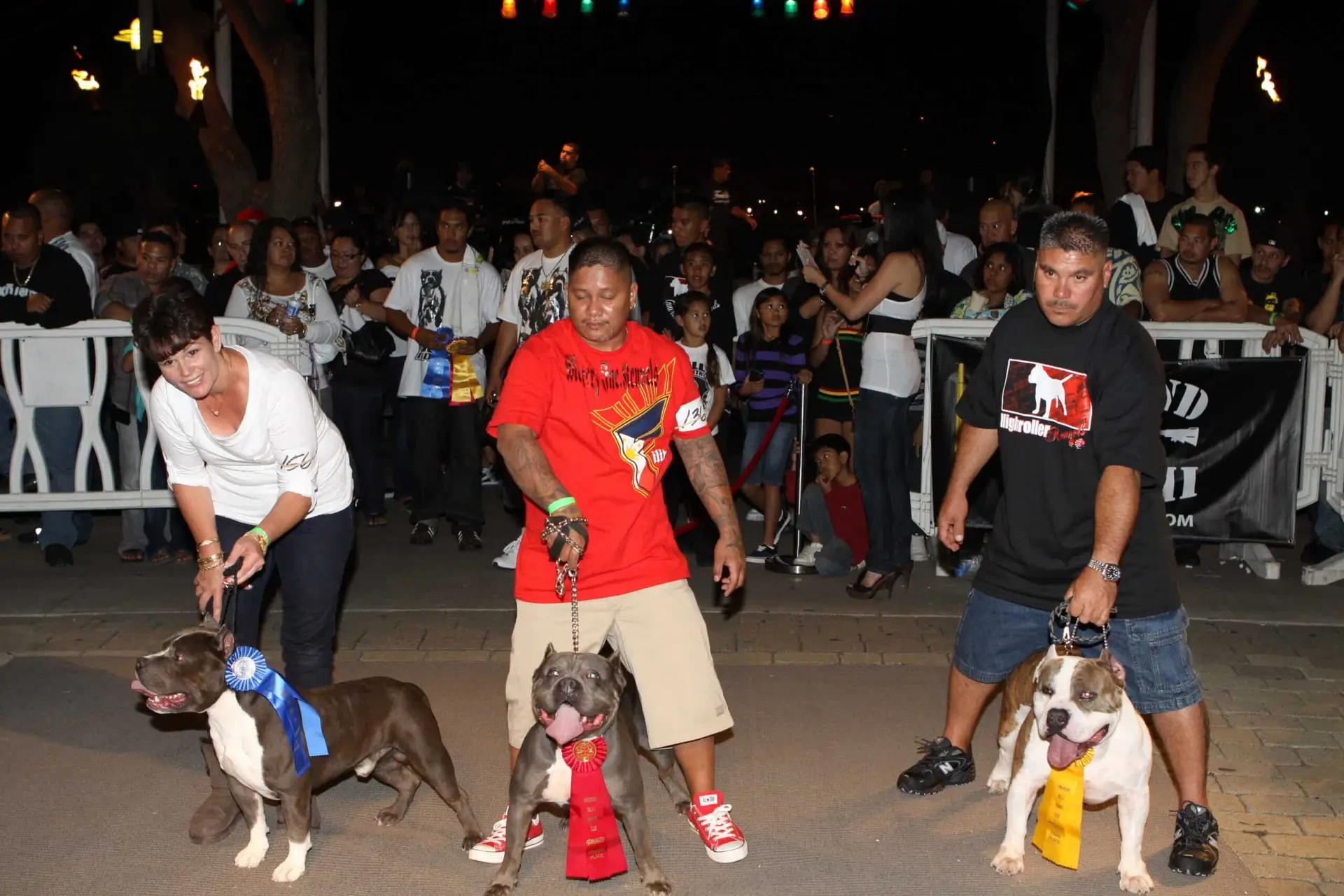
Planning to train your gorgeous American Bully for a dog show? We have prepared a comprehensive guide filled with tips to help you win first place!

OVERVIEW


TRAINING YOUR AMERICAN BULLY FOR SHOW


Training an American Bully for a show can be an exciting and rewarding experience. These powerful and muscular dogs are known for their impressive physical attributes and loyal and affectionate personalities. However, preparing your Bully for the show ring requires your devotion, as well as a significant amount of time, effort, and patience. 

But worry not, you can always rely on Capcity Bully Blog, the ultimate resource we build for passionate and knowledge-savvy Bully moms and dads.  From developing your dog’s physical conditioning and obedience skills, to honing your own handling abilities, there are many factors to consider when it comes to answering how to train American Bully dogs for show. In this article, we’ll explore some tips and techniques to help you prepare your dog for the competitive world of show dogging.

Understanding the Show Standards

The American Bully breed standard is the blueprint for the breed’s ideal physical characteristics and temperament. To prepare your Capcity Bully for a show, it’s important to understand the standards judges will seek. American shows are typically judged on criteria such as structure, temperament, and overall appearance. So, as an owner, we suggest you should familiarize yourself with these standards in the hope of ensuring that your dog meets the requirements. Standards criteria can often include having a balanced head, a muscular build, and a confident and friendly demea


Additionally, you need to be 100% positive that your dog is healthy and up-to-date on all necessary vaccinations before entering a show. By understanding and adhering to the show standards, you are actually setting your beautiful Bully up for success in the show ring.

Training Techniques for Skills Required –  How to Train Show Dogs

Training your Capcity Bullys for a show requires significant time and effort. Some key techniques include socialization, obedience training, and conditioning. Socialization is especially important for American Bullies, as they tend to be very loyal to their owners but may be hesitant or suspicious of strangers. Obedience training is also key to ensuring your dog is well-behaved and responsive to commands in the show ring.


Finally, conditioning your Bully through regular exercise and a healthy diet can help to secure that they are in top physical condition for the competition. As with any training regimen, starting early and being consistent in your approach is crucial.

Grooming and Maintenance for American Bully Shows

In addition to training, you can assume how proper grooming and maintenance are basic steps for preparing your four-legged friend for a show. This can include regular brushing and bathing to keep their coat clean and healthy, as well as trimming their nails and cleaning their ears. It’s also essential to maintain your dog’s dental health by regularly brushing their teeth or getting professional cleanings, as dental issues can affect their overall appearance and health for the American Bully show. Additionally, be sure to check your dog for any skin irritations or other health issues that could detract from its appearance in the show ring.

Teaching Some Show Ring Etiquette

So, once your handsome canine friend has developed the necessary physical attributes and temperament to participate in the American Bully show, you are ready for the next step. Once you start visiting dog shows, you will immediately notice how essential it is to focus on teaching them some show ring etiquette. This term actually refers to a set of behaviors expected of dogs when they are in the show ring. Example of show ring demeanor includes standing still, holding their head up, and being attentive to their handler’s commands. Teaching the desired show behavior is not hard, but as you would imagine, it requires consistent training and patience on your behalf. Thus, it is always a good idea to use positive reinforcement to encourage good behavior and ensure your dog is comfortable with the sounds, smells, and sights of the show ring. One way to prepare your Bully for show ring etiquette is to practice at home with mock show rings, gradually increasing the number of distractions as they progress.

Maintaining a Healthy Diet and Exercise Routine

As with any dog, it is crucial to maintain a healthy diet and exercise routine to keep your Capcity Bullys in top physical condition for dog shows. A high-quality, protein-rich diet and a balanced intake of vitamins and minerals are important. Consult with your veterinarian to determine the best diet for your dog’s individual needs. Furthermore, you can find valuable and elaborate resources on the very topic in the other reads of our Capcity Bully Blog.

Additionally, some regular exercise is also crucial to maintaining your dog’s physical health and stamina, which is essential for competing in dog shows. A combination of daily walks, runs, and playtime is highly recommended to keep your Bullys gorgeous muscular body in top shape for dog shows. 

However, pay attention that you are only gradually increasing exercise intensity to avoid the risks of possible injury or exhaustion. But animal health has another very often neglected aspect we’re happy to teach you all about: mental health. In that manner, ensure you understand how important it is to maintain your American Bully’s mental health by providing them with enough mental stimulation and socialization. Regular activities that provide them joy, satisfaction, and cognitive challenges will keep them happy, healthy, and ready to perform their best in the show ring.

The Bottom Line

In conclusion, when it comes to how to train American Bully for a show – it is a time-consuming and dedicated process, but one that can be incredibly rewarding. Remember to be patient and consistent, and always prioritize your dog’s health and well-being.

In summary, understanding the breed standards, training, grooming, and maintaining a healthy diet and exercise routine are all key components in the show prep process. If you are consistent and devoted, you can prepare your dog for success in the competitive world of show dogging. With the help of Capcity Bully Blog, you can be confident that you have the knowledge and resources necessary to give your furry friend the best possible chance of excelling in the show ring.


Finally, if you want to get some more information on our new Capcity Bully puppies, adults for sale, latest blogs, and breedings – scroll down to the bottom of the page and fill out the email alerts box! 

Sign up to get alerts on New Puppies, Breedings & Blog Updates

Download Free Ebook After your subscription

You can unsubscribe at any time by clicking the safe unsubscribe link in the footer of our emails.