Bond Comes Before Behavior
Raising a confident, well-adjusted American Bully begins long before formal obedience training. The strongest results come from focusing first on the relationship—the bond that creates trust, emotional safety, and cooperation. Early training rituals aren’t just about teaching commands like sit or stay; they shape how a puppy views the world and their role within it.
When handled intentionally, the first weeks transform uncertainty into confidence and curiosity into connection. This guide explains the early rituals that matter most, why they work specifically for the American Bully temperament, and how to apply them during the critical first days and weeks at home.
For a foundational understanding of the breed’s temperament and developmental needs, see:
👉 American Bully Temperament & Personality Guide
Why Early Training Rituals Matter
American Bully puppies go through a highly sensitive developmental period during their first weeks of life. Experiences during this time influence:
-
Emotional stability
-
Stress tolerance
-
Responsiveness to guidance
-
Long-term confidence
Training at this stage should feel like play with purpose—short, positive interactions that teach the puppy one essential truth: engaging with you brings clarity, comfort, and good outcomes.
This is not about dominance or control. It’s about teaching your puppy that you are a calm, predictable anchor.
Core Early Training Rituals That Build Trust
1. Name Association Ritual
A puppy’s name should always predict something positive.
-
Say the puppy’s name once
-
Reward immediately with a treat or calm praise
-
Practice only in low-distraction moments at first
This builds attention without pressure and teaches the puppy to choose engagement.
2. Handling & Touch Conditioning
American Bully puppies benefit greatly from early comfort with handling.
Daily short sessions should include:
-
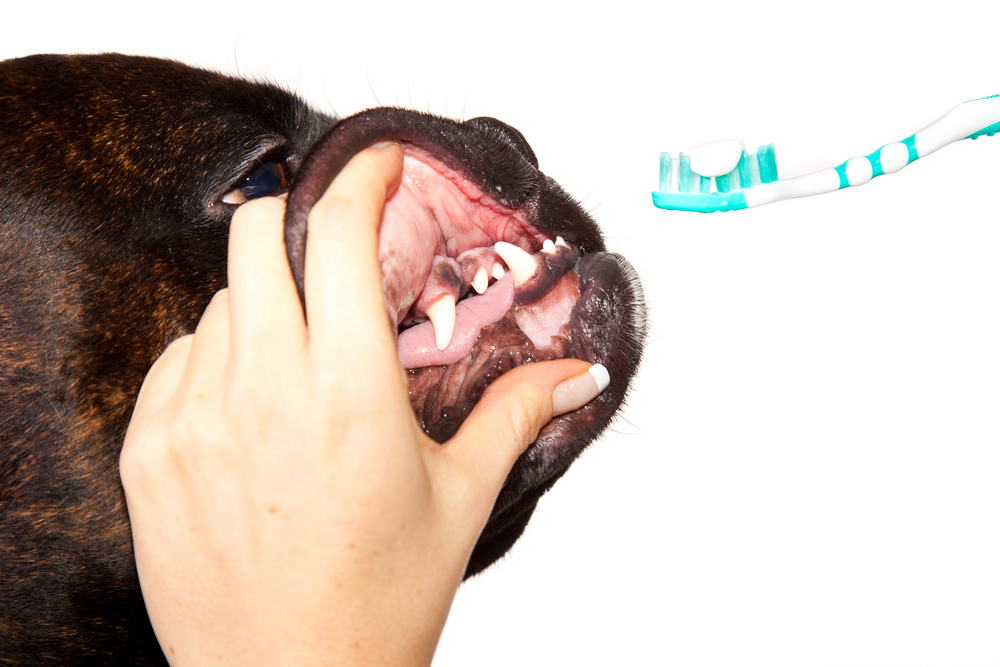
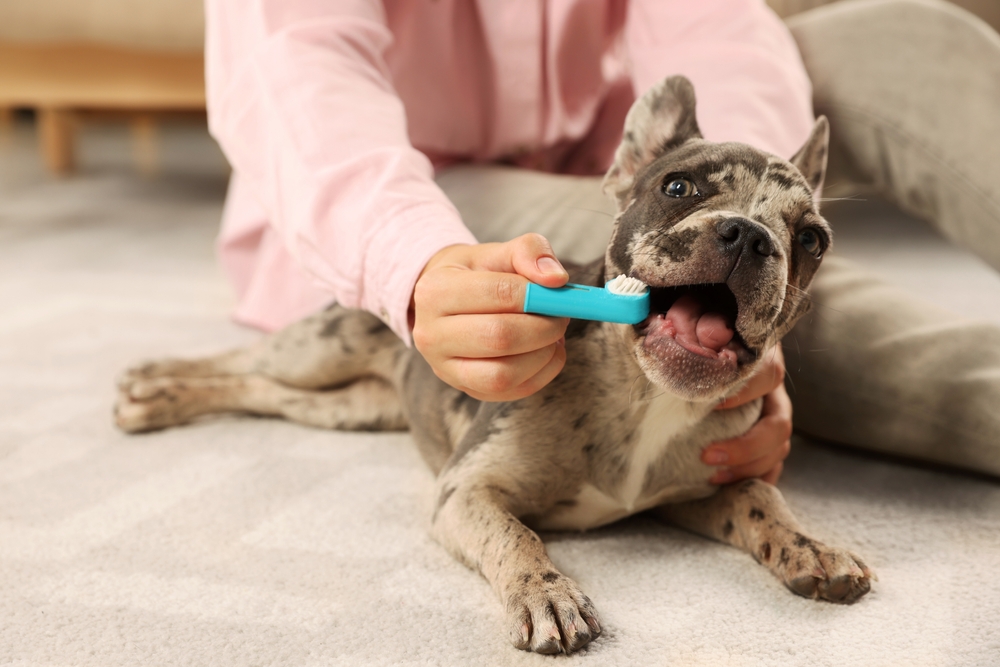
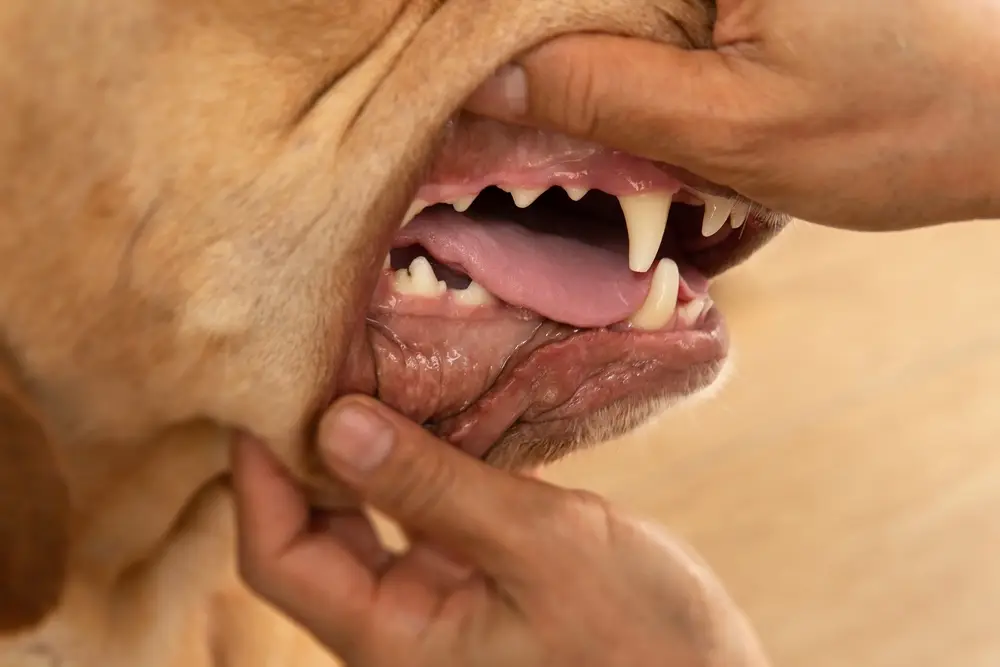
Gentle paw, ear, and mouth touches
-
Collar and body handling
-
Calm reward after each interaction
This ritual supports:
-
Future veterinary visits
-
Grooming tolerance
-
Long-term confidence
For grooming and handling fundamentals, see:
👉 Grooming Essentials for American Bully Owners
3. Crate as Comfort, Not Confinement
Crate training should establish the crate as a safe personal space, never punishment.
Best practices:
-
Allow voluntary entry
-
Use treats and calm praise
-
Keep sessions brief and positive
A crate becomes an emotional reset zone when introduced correctly.
4. Short, Positive Training Sessions
American Bullies are intelligent and responsive but can disengage if sessions run too long.
Ideal structure:
-
5–10 minute sessions
-
Mix basic cues with play
-
Always end on success
This rhythm builds cooperation instead of resistance.
5. Early Social Exposure Ritual
Socialization should be measured and intentional, not overwhelming.
Effective approach:
-
One new experience per interaction
-
Calm observation first
-
Reward relaxed curiosity
-
Follow exposure with rest
For a broader overview of social development and readiness, see:
👉 Preparing for an American Bully in Your Home
Daily Rituals That Reinforce the Bond
Predictable Routine
Consistency creates emotional safety.
Anchor the day with:
-
Morning engagement
-
Midday enrichment
-
Evening calm connection
Puppies thrive when they can predict their environment.
Reward-First Mindset
Instead of correcting mistakes, reward desired behavior early and often.
This builds:
-
Choice-based cooperation
-
Emotional trust
-
Faster learning
Leash Connection Walks
Early walks are about engagement, not distance.
-
Reward check-ins
-
Keep the leash loose
-
Encourage exploration without pulling
These walks teach partnership.
Calm Transitions
Avoid overstimulation during arrivals and departures.
-
Keep greetings low-key
-
Reward settling behavior
-
Normalize routine changes
This prevents anxiety and over-arousal.
Breed-Specific Considerations for American Bullies
American Bullies often attract attention due to their appearance. Early exposure to calm observation and varied human reactions helps prevent over-alertness.
Introduce:
-
New people gradually
-
Different environments slowly
-
Stimuli at a safe distance first
This keeps confidence grounded rather than reactive.
Why These Rituals Work
These rituals don’t just teach obedience—they build emotional currency. When positive interaction, predictability, and gentle leadership are repeated consistently, puppies internalize stability.
That stability becomes:
-
Reliability in new environments
-
Calm responses to stress
-
Willing cooperation
Common Early Mistakes These Rituals Prevent
-
Overwhelming social exposure
-
Inconsistent handling between family members
-
Punishing fear responses
-
Skipping emotional reset moments
Small rituals repeated daily outperform intense, inconsistent training every time.
Sample First Two-Week Ritual Plan
Days 1–3
-
Name association practice
-
Gentle handling
-
Crate exploration
-
Establish daily rhythm
Days 4–7
-
Short leash walks
-
One new texture or surface daily
-
Calm visitor introductions
-
Basic cue practice
Week 2
-
Grooming simulation handling
-
Mild sound exposure
-
Increased crate comfort
-
Daily calm check-ins
Keeping the Bond Strong Long-Term
As puppies mature, rituals evolve—but they never disappear.
Maintain:
-
Weekly cue refreshers
-
Monthly new-environment outings
-
Occasional surprise rewards
These habits turn training into lifelong cooperation.
Wrapping It Up
A strong American Bully doesn’t come from force—it comes from trust built early and reinforced daily. The rituals outlined here form a blueprint for raising a confident, emotionally stable companion who chooses engagement because the relationship was built correctly from the beginning.
Consistency compounds. Small moments matter.
Next Steps
-
Create a simple daily ritual checklist
-
Track progress weekly
-
Align handling methods across the household
-
Introduce novelty slowly and positively
For more education on American Bully development, temperament, and ownership readiness, explore the full resource hub at:
👉 AmericanBullyBreed.com