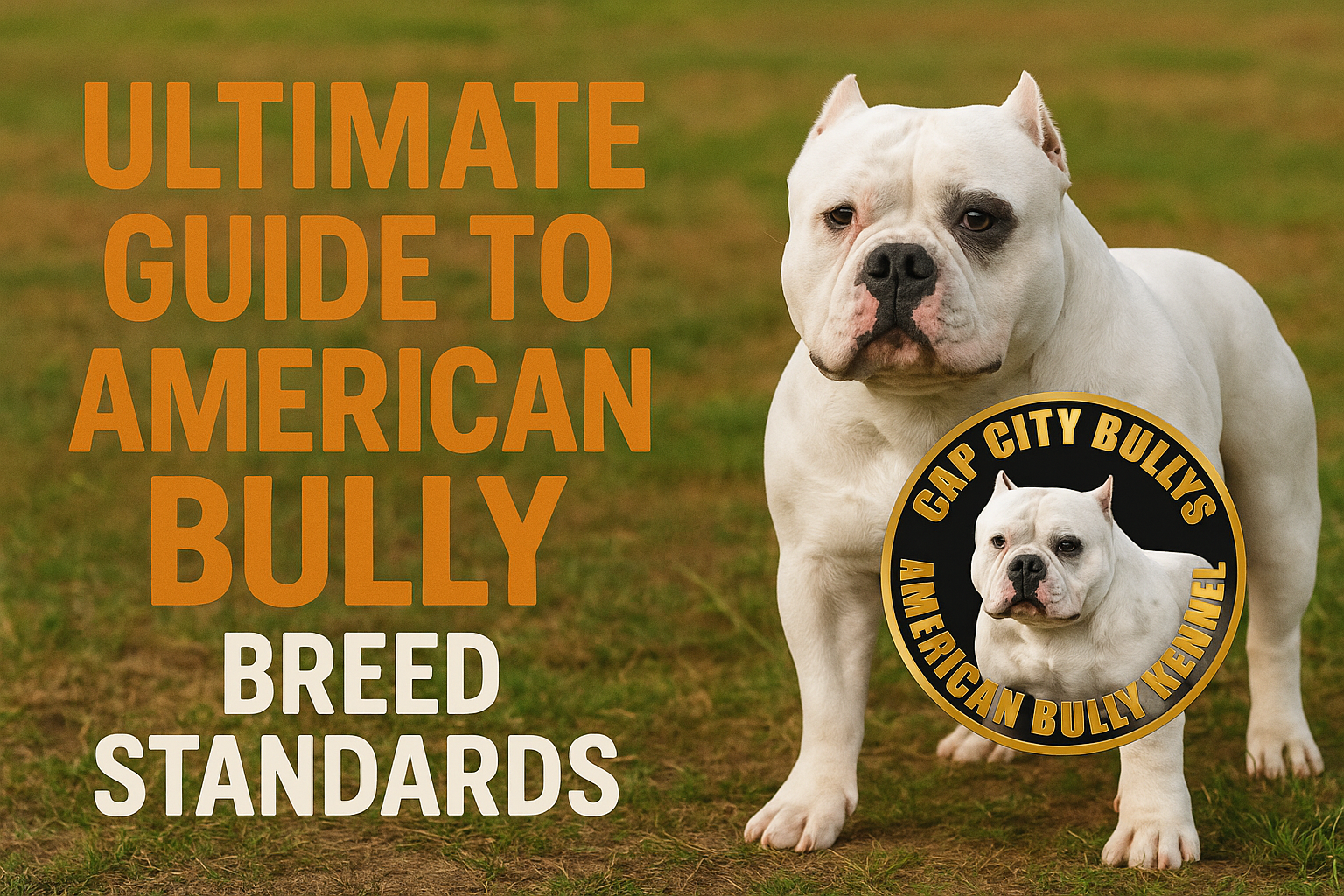
Ultimate Guide to American Bully Breed Standards: What Every Owner Needs to Know

american bully breed standards guide, Erie, PA breeder Cap City Bullys

Dive deep into the world of American Bullies—from their fascinating origins and recognized categories to the nitty-gritty of physical traits, temperament, health considerations, and everything in between. Whether you’re a first-time owner or seasoned enthusiast, this guide has you covered.


Introduction

If you’ve ever scrolled through Instagram and stopped dead at that picture-perfect, muscular pup with that big blocky head, you know the American Bully has taken the canine world by storm. But beyond the chiseled physique and undeniable swagger, there’s a structured set of breed standards that define what makes an American Bully an American Bully. In this definitive guide, I’ll walk you through everything you need to know—history, recognized classes, anatomy breakdowns, temperament notes, health tips, and how to choose the right breeder and puppy for your family.

By the end, you’ll:

  • Understand the four main American Bully categories and how they differ
  • Know exactly what physical features judges and enthusiasts look for
  • Be equipped to spot red flags when selecting a breeder
  • Have a solid handle on nutrition, exercise, and training essentials
  • Feel confident about registration, contracts, and health guarantees

Ready? Let’s roll.


History and Origin

From Classic Pit to Modern Bully

The American Bully didn’t just appear overnight. In the late 1980s and early ’90s, dedicated breeders in the United States wanted a dog with the essence of the American Pit Bull Terrier—loyalty, confidence, drive—but with a more compact, muscular structure, and a wider head. By crossing Pit Bull bloodlines with breeds like the American Staffordshire Terrier, Olde English Bulldogge, and even occasionally the English Bulldog, they slowly sculpted what we now celebrate as the American Bully.

Formal Recognition

In 2004, the American Bully Association (ABA) was founded to establish clear breed standards. Over the next decade, additional registries like the United Kennel Club (UKC) and United Kennel Club Bully Pro divisions came on board, each with its own slight variations in the standard. Despite registry differences, the core emphasis remains on balance—muscular but agile, formidable yet affectionate.


Recognized American Bully Categories

American Bully enthusiasts generally recognize four primary classes. Picking the right category for your lifestyle and show ambitions is crucial.

  1. Standard
    • Description: Classic Bully look—well-muscled without exaggeration
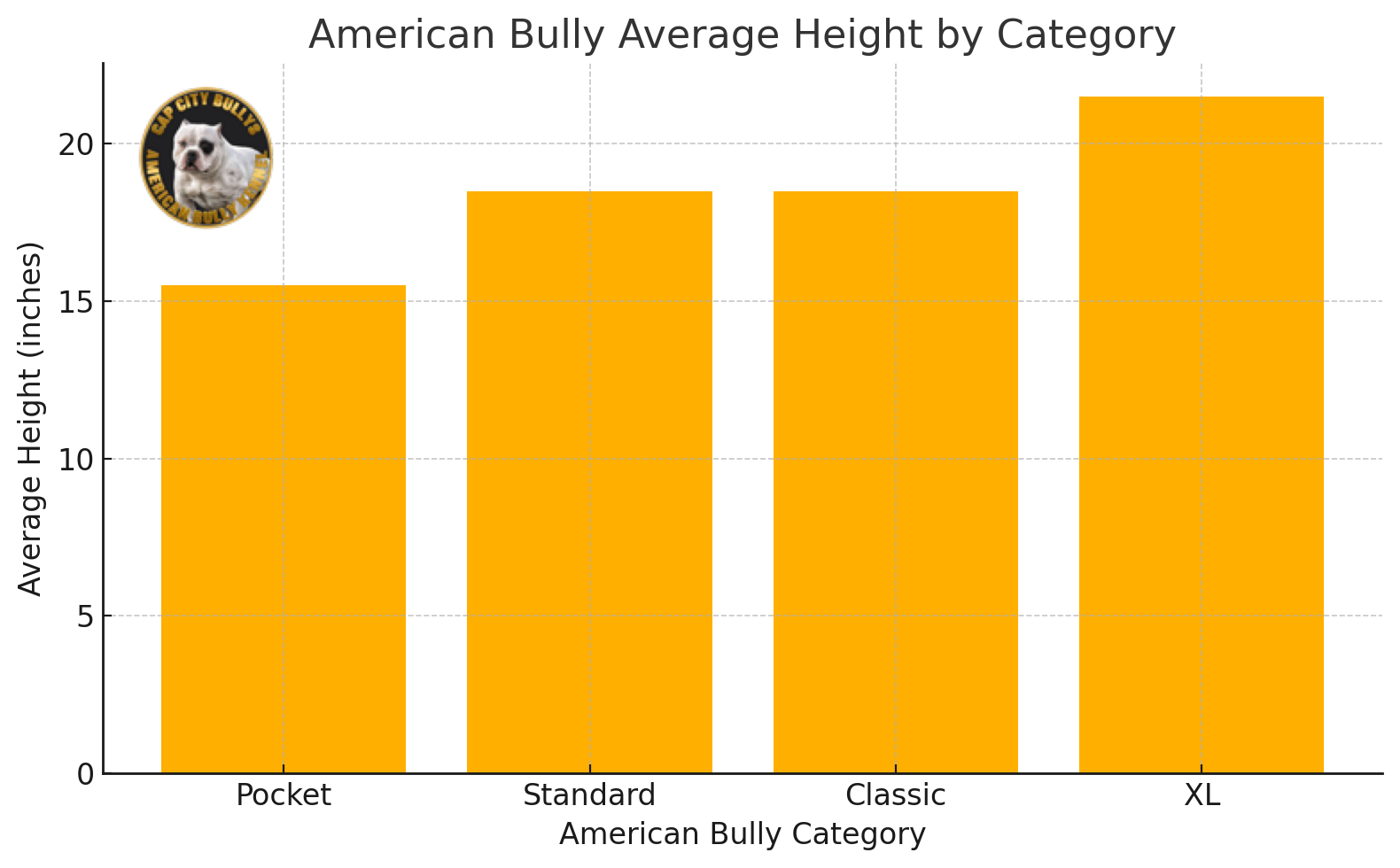
    • Height (males): 17–20 inches at the withers
    • Height (females): 16–19 inches
  2. Pocket
    • Description: Essentially a shorter Standard, more compact
    • Height (males): 14–17 inches
    • Height (females): 13–16 inches
  3. Classic
    • Description: More lean and athletic, less bulk than Standard
    • Height: Similar range to Standard, but with lighter bone structure
  4. XL
    • Description: Trades some compactness for impressive height and mass
    • Height (males): 20–23 inches
    • Height (females): 19–22 inches
american bully average height chart by cap city bullys

Opinion: Personally, I find the Standard class the most versatile—muscular enough to turn heads, but agile enough for everyday play. If you love that “lionhearted” look without going full XL, Standard is your sweet spot.


Physical Characteristics: Size, Weight & Build

Overall Impression

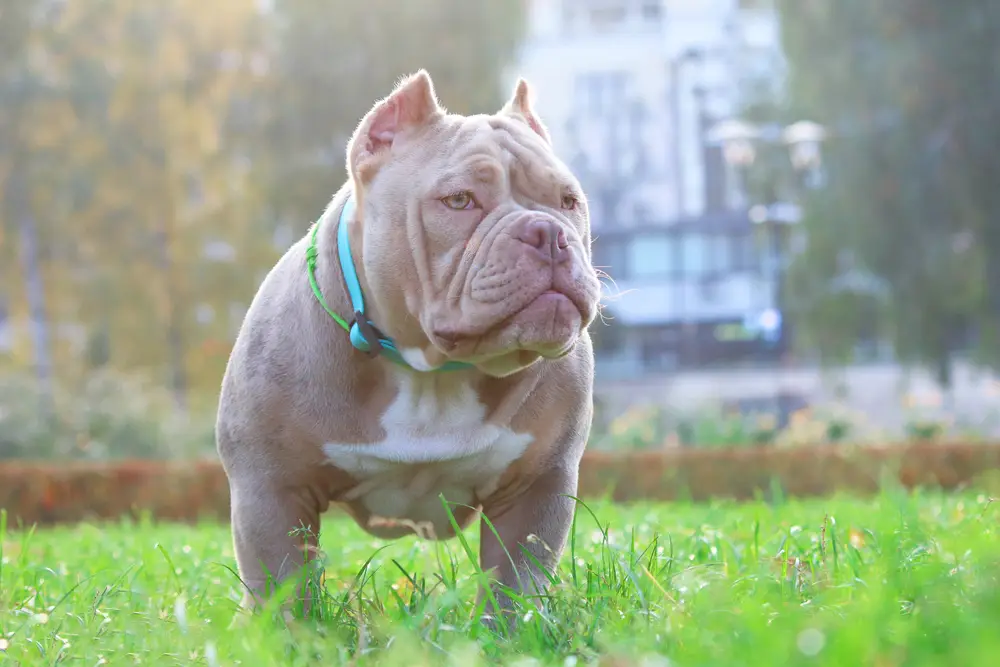
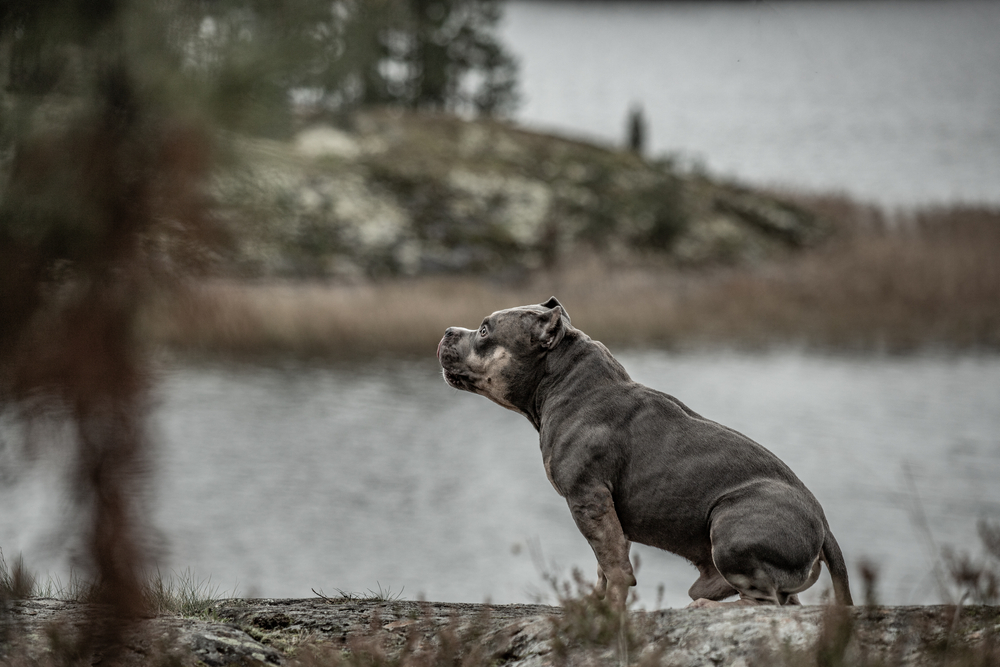
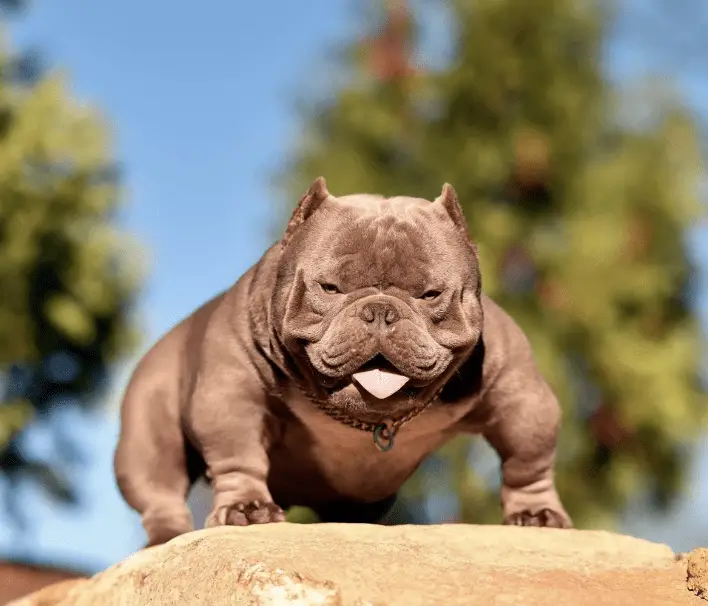
An American Bully should look like a powerful athlete at ease. The body is compact and muscular, yet it retains a smooth, well-defined silhouette.

Height & Weight

  • Pocket: 13–17 inches, 30–60 lbs
  • Standard/Classic: 16–20 inches, 60–80 lbs
  • XL: 19–23 inches, 80–120+ lbs

(Note: Weight can vary based on bone density and muscle mass.)

Proportions & Balance

  • Length to Height Ratio: Slightly longer than tall—typically a 10:9 ratio from point of shoulder to rear.
  • Chest: Deep and wide, with well-sprung ribs.
  • Back: Straight and level, allowing efficient movement.

Example: I once judged a Pocket Bully that, despite only being 15 inches tall, had a chest so deep it could practically barrel-roll through the agility weave poles. That’s textbook balance for you.


Head & Facial Features

Shape & Size

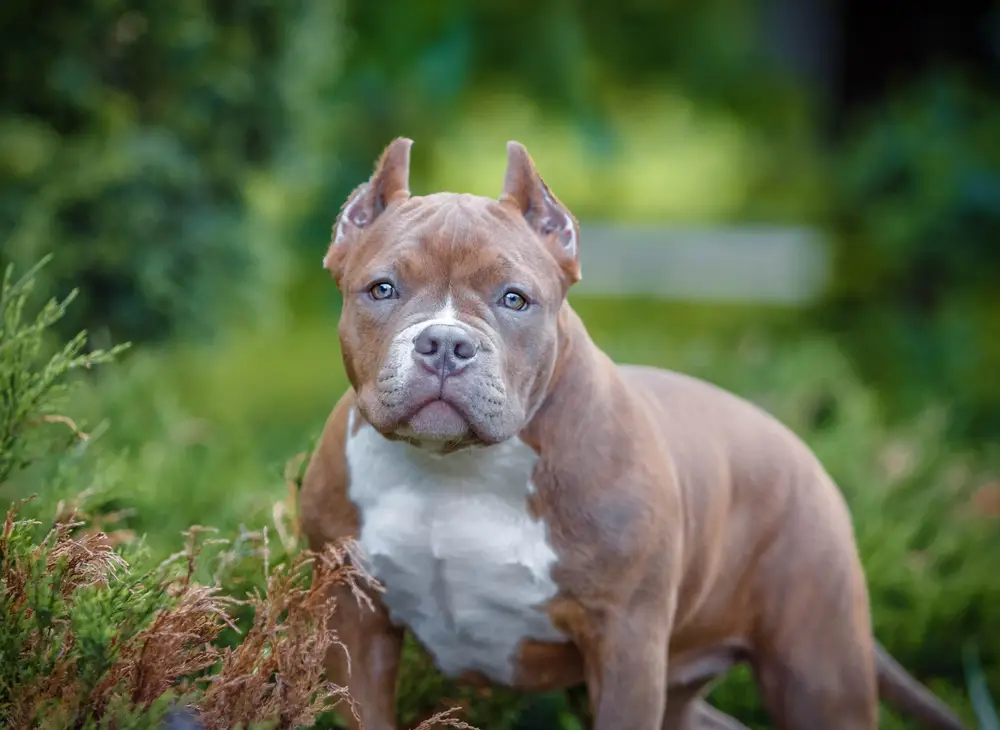
  • Width: Broad and blocky, giving that signature “bull” look.
  • Length: Short to medium, without being overly foreshortened.

Skull & Muzzle

  • Skull: Pronounced cheek muscles that blend smoothly into a broad skullcap.
  • Stop: Distinct but not exaggerated—a gentle slope from forehead to muzzle.
  • Muzzle: Square, deep, and well-defined.

Eyes & Ears

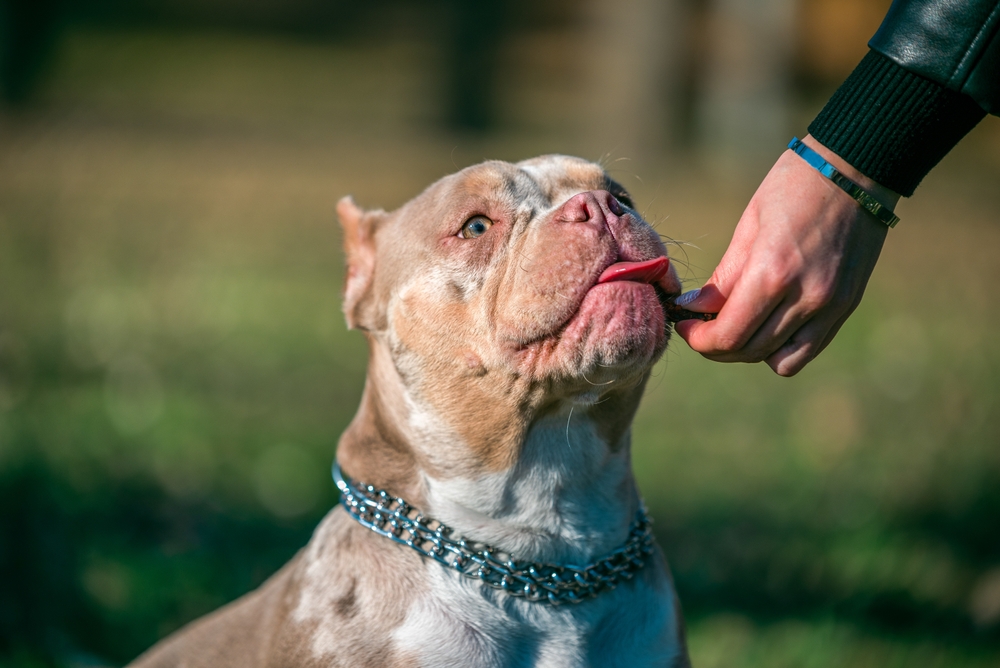
  • Eyes: Medium size, set low and wide on the skull—intelligent and alert. Colors vary, but clarity and expression matter most.
  • Ears: Can be cropped or natural. Natural ears are rose or semi-prick.

Opinion: Nothing says “Bully boss” like a dog whose head fills your palm. But beware of exaggeration—if the muzzle is so short that breathing looks labored, you’re veering into unhealthy territory.


Coat, Color & Markings

Coat Type

  • Texture: Short, glossy, and close to the body.
  • Care: Low maintenance—weekly brushing to keep it sleek and healthy.

Recognized Colors & Patterns

  • Solids: Black, blue, lilac, fawn, red, cream
  • Patterns: Brindle, tri-color, pied, merle
  • Markings: White on the chest, toes, or blaze is acceptable.

Tip: Always check for color-specific health issues—merle patterns, for instance, can be linked to hearing and vision problems if not responsibly bred.


Temperament & Character Traits

Friendly Yet Fearless

American Bullies are renowned for combining a bold, confident nature with genuine affection. You want a dog that’s game for the park but also content to cuddle on the couch.

Key Traits:

  • Loyalty: They bond deeply with their family.
  • Confidence: Not easily spooked—ideal for novice or experienced handlers.
  • Trainability: Smart and eager to please when trained with positive reinforcement.
  • Social: Generally tolerant of children and other pets when socialized early.

Example: My neighbor’s Bully, “Zeus,” once calmly escorted a lost German Shepherd pup back to its owner—no hostility, just cool-headed Bully bravery.


Health & Genetic Considerations

Breeding for exaggerated features can invite problems. Responsible breeders balance breed standards with health testing.

Common Health Screens

  1. Hips & Elbows: X-rays to rule out dysplasia.
  2. Heart: ECG or echocardiogram to detect murmurs.
  3. Eyes: Annual CERF exam to catch inheritable issues.
  4. Thyroid: Bloodwork to check function.

Health Guarantees & Contracts

At Capcity Bullys, every puppy comes with a comprehensive health guarantee and clear purchase contract outlining responsibilities and recourse—because protecting the pup’s well-being starts day one.

Opinion: Skip breeders who can’t or won’t show you test results. Health paperwork isn’t a bureaucratic extra—it’s your dog’s safety net.


Registration & Breed Organizations

Getting your Bully registered properly is vital for show prospects and proving pedigree.

Major Registries

  • American Bully Kennel Club (ABKC)
  • United Kennel Club (UKC)
  • International Bully Registry (IBR)

Each has its own twist on the standard, but all recognize the four main classes. Registration ensures your dog’s lineage is documented and can be a prerequisite for sanctioned events.

Tip: When in doubt, go with the registry your breeder primarily uses—consistency matters for title tracking and event eligibility.


Choosing Your American Bully: Breeder & Puppy Selection

Finding a Responsible Breeder

  • Transparency: Open access to facilities, pedigrees, and health records.
  • Socialization: Puppies exposed to people, sounds, and handling before 8 weeks.
  • Lineage Knowledge: Breeder can explain how specific bloodlines influence size, color, and temperament.

At Capcity Bullys, we welcome visitors to tour our kennels and meet our current breedings—seeing is believing.

Puppy Purchase Contract

A solid contract protects both parties. Look for clauses on:

  • Genetic health guarantees
  • Return or rehoming clauses if life circumstances change
  • Payment schedules and deposit terms

Download our sample puppy purchase contract to see exactly what a thorough agreement looks like.


Caring for Your Bully: Nutrition, Exercise & Training

Nutrition Essentials

A high-quality, protein-rich kibble paired with occasional fresh food is my go-to. Look for:

  • Real Meat First: Chicken, beef, fish, or lamb.
  • Balanced Fats: For coat sheen and brain health.
  • Limited Fillers: No corn or wheat by-products.

Pro Tip: Supplement with joint support (glucosamine/chondroitin) and probiotics for gut health.

Exercise & Play

Bullies are surprisingly athletic. Aim for:

  • Daily Walks: 30–60 minutes
  • Interactive Play: Tug, fetch, or scent games
  • Mental Stimulation: Puzzle feeders and obedience drills

Training Foundations

Positive reinforcement works wonders. Key commands:

  • Sit/Stay/Down: The basics for household harmony.
  • Leave It: Critical for impulse control.
  • Recall: Should be rock-solid off-leash.

Enrolling in a local obedience class not only fine-tunes skills but also socializes your pup with both dogs and humans.


Common Misconceptions & FAQs

“They Must Be Aggressive”

Reality: Well-bred Bullies are people-oriented and friendly. Aggression often stems from poor socialization or mishandling.

“They Can’t Swim”

Reality: While Bullies aren’t natural paddlers, most learn quickly with gentle introduction and life jackets.

“Bulldog + Pit = Health Problems”

Reality: Responsible breeders focus on health testing. When done right, Bullies can be as healthy as any medium-sized breed, with lifespans around 10–12 years.


Conclusion

The American Bully is more than just a muscular canine—it’s a testament to careful breeding, league-standard conformation, and that unique blend of confidence and devotion. From understanding the precise breed categories and physical standards to navigating health tests, breeder selection, and day-to-day care, you now have the ultimate toolkit.

If you’re ready to take the next step—whether that’s downloading our in-depth e-book on the American Bully, browsing our active breedings, or reviewing our puppy purchase contract and health guarantee—visit our homepage to get started.

Here’s to raising a Bully that’s as healthy, happy, and head-turning as the standard intends. Welcome to the pack!
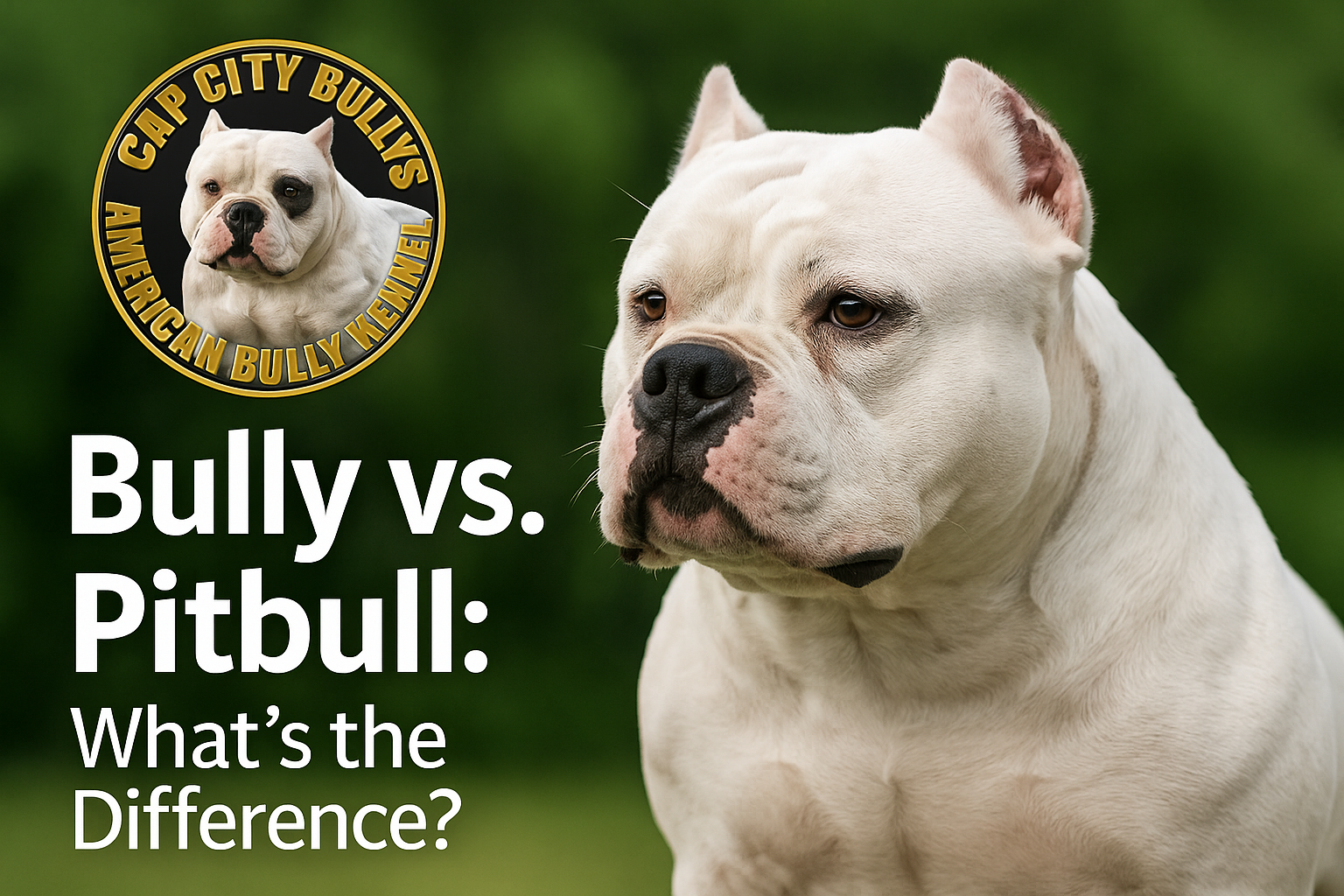
Bully vs. Pitbull: What’s the Difference?

American Bully vs Pitbull: what's the difference between a bully and a pitbull

Understanding the distinctions between American Bullies and Pitbulls is crucial for prospective dog owners, particularly those in Pennsylvania where breed popularity and regulations intersect. While both breeds share muscular builds and a storied history, they diverge significantly in lineage, appearance, temperament, and legal recognition. In this in-depth, 2,500-word guide, we’ll explore:

  • Origins and evolution of the Pitbull and the American Bully
  • Key physical and behavioral differences
  • Health considerations and lifespan expectations
  • Pennsylvania-specific breed regulations and community insights
  • Training, socialization, and lifestyle fit
  • Why Erie, PA’s own Cap City Bullys stands out for American Bully enthusiasts

Whether you’re weighing a loyal family protector against a high-drive show dog, this article will equip you with the insights needed to choose the right breed—plus links to explore available litters, stud services, and more from Pennsylvania’s premier American Bully breeder.


1. A Tale of Two Breeds: Origins & Evolution

Pitbull Roots

The term “Pitbull” actually encompasses several breeds—most notably the American Pit Bull Terrier, American Staffordshire Terrier, and Staffordshire Bull Terrier. These dogs trace back to 19th-century England, where bulldogs and terriers were crossed to create agile, tenacious fighters and ratters. Brought to America by immigrants, the breed’s strength, loyalty, and athleticism made it a companion for farmers, working-class families, and later, members of law enforcement and search-and-rescue teams.

Over time, the Pitbull’s reputation oscillated between esteemed working dog and unfairly stigmatized “bully breed.” However, enthusiasts in Pennsylvania’s dog-loving communities—especially in Erie, Pittsburgh, and Philadelphia—continued to champion the breed’s positive traits, focusing on proper training and socialization.

The Rise of the American Bully

By the late 20th century, breeders sought to amplify the Pitbull’s hallmark muscle tone and friendly disposition to better suit family life and the show ring. The result was the American Bully: a distinct breed founded in the United States during the 1980s–1990s. Selective breeding emphasized a wider chest, blockier head, shorter muzzle, and calmer temperament. Three major registries—the United Kennel Club (UKC), the American Bully Registry (ABR), and the American Bully Kennel Club (ABKC)—formalized standards, elevating the Bully from underground scene to mainstream recognition.

Today’s American Bully comes in five size classes ( Micro, Pocket, Standard, Classic, XL), each regulated by strict conformation guidelines. Breeders like Cap City Bullys in Erie, PA, have spent 15+ years refining pedigrees, ensuring every puppy embodies health, temperament, and show potential.


2. Physical Differences: Build, Size & Appearance

Head & Muzzle

  • Pitbull: Typically longer muzzle, pronounced stop (the dip between forehead and muzzle), and triangular ears (cropped or natural).
  • American Bully: Broader, blockier head with a shorter muzzle and pronounced cheeks. The stop is less steep, giving a “pushed-in” facial profile.

Body & Height

  • Pitbull: Athletic, lean muscles; height ranges from 17–21 inches at the shoulder.
  • American Bully: Beefier build; Standard size stands 16–20 inches, while XL classes can exceed 20 inches. Pockets are shorter but stockier—a hallmark of the Micro and Pocket Bully varieties.

Coat & Color Variations

Both breeds carry short, glossy coats in myriad colors—fawn, blue, black, brindle, and various pied patterns. However, the Bully’s thicker neck, broader chest, and heavier bone structure give it a more “compact powerhouse” look compared to the Pitbull’s lean athlete silhouette.


3. Temperament & Behavior

Pitbull Personality

Despite negative media portrayals, properly raised Pitbulls are renowned for their loyalty, high energy, and people-pleasing nature. They excel in agility, obedience, and therapy work. However, they do require consistent mental stimulation and vigorous exercise—think daily runs, fetch sessions, and puzzle toys.

American Bully Disposition

American Bullies were bred with a calmer, more adaptable temperament in mind. These dogs often settle more quickly in home environments, making them ideal for families, first-time owners, and show competitors. Their sociable character and gentle disposition around children are celebrated by Bully enthusiasts nationwide.

Insider Tip: If you live in Erie, PA, and crave that Bully “look” with a mellow attitude, an American Bully puppy from Cap City Bullys may suit you better than a high-drive Pitbull.


4. Health & Lifespan: What to Expect

Common Pitbull Health Concerns

  • Hip Dysplasia: Genetic hip joint malformation leading to arthritis.
  • Skin Allergies: Often environmental or food-related; requires careful dietary management.
  • Cardiac Conditions: Occasional instances of congenital heart defects.

American Bully Health Profile

The American Bully benefits from rigorous health testing protocols instituted by reputable kennels. Still, watch for:

  • Elbow & Hip Dysplasia: Screened via OFA or PennHIP.
  • Thyroid Issues: Routine blood work can catch early dysfunction.
  • Joint & Bone Concerns: Especially in XL classes; responsible breeders provide lifetime hip guarantee.

With proper nutrition, exercise, and vet care, both breeds typically live 10–14 years. In Pennsylvania’s Four Seasons climate, pay extra attention to joint health through glucosamine supplements during winter months.


5. Breed Recognition & Legal Status in Pennsylvania

Kennel Club Standards

  • American Pit Bull Terrier: Recognized by the United Kennel Club (UKC) and American Dog Breeders Association (ADBA).
  • American Bully: Recognized by ABR,  ABKC, UKC, and International Bully Registry (IBR), each with specific breed standards.

Pennsylvania Regulations

Unlike some states with “breed-specific legislation” targeting Pitbulls, Pennsylvania currently has no statewide pitbull ban. However, individual municipalities (e.g., Philadelphia or King of Prussia) may impose stricter leash laws or mandatory liability insurance for high-risk breeds. Always:

  1. Check Local Ordinances: Erie County’s dog ownership rules differ slightly from Allegheny County’s.
  2. Enroll in Obedience Classes: Many city parks require proof of training certificates before granting dog park access.
  3. Maintain Proper Licensing: Annual dog licenses—available at county treasurer’s offices—ensure compliance and community safety.

6. Training & Socialization: Setting Your Dog Up for Success

Socialization Window (8–16 Weeks)
Whether Pitbull or Bully, early exposure to different people, pets, sights, and sounds is essential. Positive experiences in your Pennsylvania neighborhood—visiting Erie’s Perry Square, walking along the Lake Erie shoreline, or attending community events—build confidence and reduce fear-based behaviors.

Obedience Foundations

  • Basic Commands: Sit, stay, come, and loose-leash walking.
  • Impulse Control: Teach “leave it” and “wait” around distractions (squirrels at Presque Isle State Park!).
  • Advanced Training: Pitbulls excel in agility and rally, while Bullies shine in conformation prep and therapy work.

For specialized breeding programs or show-ring preparation, consider our Proven Stud Service featuring top Micro and Pocket Bully studs from champion lines like Bape and Devilspit.


7. Choosing the Right Breed for Your Pennsylvania Lifestyle

Active Lifestyles

If you’re an outdoorsy Pennsylvanian—hiking Ricketts Glen, paddling the Susquehanna, or biking the Pine Creek Rail Trail—a Pitbull’s endurance and athletic drive could match your pace.

Family & Apartment Living

For families in Erie’s downtown lofts or suburban Pittsburgh homes, the American Bully’s adaptable temperament, shorter exercise bursts, and lower reactivity make them a breeze in household settings.

Show vs. Companion

  • Show-Ring Aspirations: Bullies with champion pedigrees often take center stage at ABR,  UKC and ABKC events.
  • Dedicated Working Roles: Pitbulls continue to serve as therapy dogs and search-and-rescue canines.

Whichever path you choose, be sure to explore current and upcoming litters on our litters page and reserve your puppy early to guarantee your pick.


8. Where to Find American Bullies & Pitbulls in Pennsylvania

Pitbull Adoption & Rescue

Numerous PA shelters and rescue groups specialize in Pitbulls—e.g., Second Chance Pit Bull Rescue in Philadelphia or PA Bully Crew Rescue. Adoption fees often include spay/neuter, vaccinations, and microchipping.

Reputable Bully Breeders

Cap City Bullys stands out in Erie, PA for:

  • 15+ Years of Experience: Our family-run kennel prioritizes temperament and health guarantees.
  • Nationwide & Worldwide Delivery: We ship champion-line puppies safely to your doorstep—anywhere in Pennsylvania or beyond.
  • Ethical Breeding Practices: Health testing, early socialization, and a lifetime support promise.

Explore our upcoming breedings or schedule a visit to our Erie facility.


9. Beyond the Breed: Care, Nutrition & Community

Nutrition Essentials

High-quality protein-based diets, supplemented with joint-support formulas, keep Bully and Pitbull muscles sculpted and healthy. Local Pennsylvania pet stores—from Erie’s Pet Value to Pittsburgh’s Pet People—offer regional brands that cater to large-breed dogs.

Grooming & Maintenance

Both breeds are low-maintenance brushers, requiring:

  • Weekly Brushing: Reduces shedding and promotes coat shine.
  • Regular Bathing: Monthly baths with pH-balanced shampoos.
  • Dental Care: Daily teeth brushing to prevent periodontal disease.

Community Engagement

Join Pennsylvania Bully Meetups, attend Erie’s annual “Paws on Parade,” or follow our American Bully Breed Insights Blog for expert tips, nutrition guides, and training tutorials.


10. Conclusion: Making an Informed Choice

While American Bullies and Pitbulls share a muscular silhouette and an unwavering loyalty, they diverge in build, breeding goals, and temperament nuances. Your lifestyle—be it the active trails of Northwest Pennsylvania or the family-focused homes of Erie—will ultimately determine the best fit.

Whether you’re drawn to the Pitbull’s athletic drive or the American Bully’s show-quality stature, remember:

  • Research: Understand breed history, health testing, and legal regulations in your municipality.
  • Socialize & Train: Invest early in classes and community experiences.
  • Source Responsibly: Choose reputable breeders or rescues—like Cap City Bullys—who prioritize ethics, health, and lifetime support.

Ready to learn more? Browse our current litters or contact Cap City Bullys today to reserve your American Bully puppy in Erie, PA. Your perfect four-legged companion awaits!

Helpful Resources & Further Reading

Nutrition Tips for Building Muscle in Your American Bully

The American Bully is known for its muscular build, powerful physique, and athletic nature. To maintain and enhance their muscle tone, providing a high-quality, protein-rich diet is essential. Proper nutrition fuels muscle growth, improves overall health, and keeps your Bully in peak condition. Whether you own a Micro Bully, Pocket Bully, Standard, or XL Bully, the right diet and feeding routine will help maximize their muscular potential.

At Capcity Bullys, we prioritize top-tier nutrition for our Bullies to ensure they develop thick, strong, and well-defined muscle structure. Here’s a breakdown of the best nutrition tips to help your American Bully build muscle effectively.


1. Prioritize a High-Protein Diet

Protein is the foundation of muscle growth. American Bullies require high-quality animal protein sources to develop strong, lean muscle. Aim for a diet that consists of at least 30-40% protein to support muscle repair and growth.

Best Protein Sources for American Bullies:

Raw or Cooked Meat – Beef, chicken, turkey, lamb, and fish
Eggs – A great source of digestible protein and amino acids
Salmon & Fish Oil – Rich in omega-3 fatty acids for muscle recovery
Organ Meat (Liver, Heart, Kidneys) – Packed with essential nutrients
High-Protein Kibble – Choose premium dog food with meat as the first ingredient

A raw diet or a high-quality kibble mixed with fresh protein can significantly enhance your Bully’s muscle tone and physical development.


2. Include Healthy Fats for Energy and Muscle Recovery

Fats provide long-lasting energy and help with muscle repair and joint health. Healthy fats should make up 15-20% of your Bully’s diet.

Best Sources of Healthy Fats:

🐟 Fish Oil & Salmon – Reduces inflammation and enhances coat health
🥑 Coconut Oil & Flaxseed Oil – Supports digestion and energy levels
🥩 Animal Fat (Beef & Chicken Fat) – Essential for weight gain and muscle maintenance

Healthy fats also help improve stamina and endurance, ensuring your Bully remains active and ready for training.


3. Use Muscle-Building Supplements

Supplements can enhance muscle growth and recovery, especially when combined with a balanced diet. Here are some of the best supplements for American Bullies:

🔥 Whey Protein Powder – Boosts muscle recovery and mass
🔥 Creatine Monohydrate – Enhances strength and endurance
🔥 Glucosamine & Chondroitin – Supports joint health and mobility
🔥 Multivitamins – Ensures a well-rounded nutrient intake
🔥 Amino Acids (BCAAs) – Helps with muscle repair and prevents breakdown

Always choose dog-safe supplements and consult a vet before adding them to your Bully’s diet.


4. Follow a Structured Feeding Schedule

A consistent feeding schedule ensures that your American Bully gets the right nutrients at the right time.

Recommended Feeding Plan:

🐶 Puppies (Under 6 Months) – 3-4 small meals per day
🐶 Young Bullies (6-12 Months) – 3 meals per day
🐶 Adult Bullies (12+ Months) – 2 protein-packed meals per day

Feeding after exercise helps replenish energy stores and supports faster muscle recovery.


5. Hydration is Key for Muscle Performance

Proper hydration is essential for muscle function and recovery. Dehydration can lead to fatigue, muscle cramps, and slower recovery. Ensure your Bully always has access to fresh, clean water, especially after intense activity or training.


Final Thoughts

Building muscle in your American Bully requires a high-protein diet, healthy fats, muscle-building supplements, and a structured feeding plan. At Capcity Bullys, we ensure our Bullies get premium nutrition to develop strong, well-defined muscle tone.

Want to learn more about feeding and caring for your American Bully? Visit our Blog section for expert tips and high-quality Bully puppies bred for strength and structure!

How to Choose the Best American Bully Puppy for Your Family

The American Bully is a loyal, affectionate, and confident breed that makes a fantastic companion for families, individuals, and even breeders looking to enhance their program. With their muscular build, strong genetics, and loving temperament, American Bullies have become one of the most sought-after breeds. However, choosing the right American Bully puppy can be a daunting task, especially with various sizes, bloodlines, and temperaments to consider.

At Capcity Bullys, we take pride in breeding high-quality Micro Bullies with elite bloodlines, compact structure, and excellent temperament. If you’re searching for the perfect American Bully puppy for your home or breeding program, here are essential tips to help you make the right choice.


1. Understand the Different American Bully Classes

Before selecting a puppy, it’s crucial to understand the different American Bully categories as recognized by the American Bully Kennel Club (ABKC) and American Bully Registry (ABR)

American Bully Kennel Club Classes

Pocket Bully – Short and compact but heavily muscled. Typically 14 to 17 inches in height.

Standard Bully – Medium-sized with a balanced structure, ranging from 17-20 inches.

Classic Bully – Similar in size to the standard but with a lighter frame and less bulk.

XL Bully – The largest variation, standing over 20 inches with a massive build.

American Bully Registry Classes

Pocket Bully, Standard Bully, Classic Bully and XL Bully. It also excepts in it’s class the –

Micro Bully – A highly desired type, even smaller than the Pocket Bully, under 14 inches known for its extreme muscle density and compact body.

At Capcity Bullys, we specialize in Micro Bullies, which are short, thick, and muscular, perfect for those looking for an impressive yet manageable-sized dog.


2. Choosing the Right Bloodline for Quality and Pedigree

One of the most critical factors in choosing an American Bully puppy is its bloodline. A strong pedigree ensures that the puppy inherits the best qualities in terms of structure, temperament, health, and muscle tone. Some of the most elite American Bully bloodlines include:

🔥 Top Bloodlines to Look for:

Daxline – Known for thick bone, extreme muscle, and wide chests.

Razors Edge – Produces well-balanced, muscular, and family-friendly Bullies.

Gottiline – Features a strong, stocky build and an intimidating presence.

Miagi Bloodline – Compact, extreme features with a unique look.

Bape Bloodline – Micro sized Bullys with massive head structure and thick bone

Devilspit Bloodline – Known for short, muscular, and compact frames.

Bullsace Bloodline – Features a clean, thick, and powerful structure.

Our Bullys at Capcity Bullys is built on elite bloodlines, including Devilspit, Giagi, Bape and Bullsace, ensuring that each puppy has world-class genetics.


3. Selecting the Right Temperament for Your Lifestyle

While American Bullies may look tough, they are incredibly loving, affectionate, and loyal. However, each puppy may have a slightly different temperament.

💡 Questions to Ask When Choosing a Puppy:

✔️ Are you looking for a family companion, protection dog, or show-quality Bully?
✔️ Do you want a high-energy dog for an active lifestyle or a more laid-back pup?
✔️ Are you looking for a dominant or submissive temperament?

Different American Bully Temperaments:

Playful & Friendly – Ideal for families with kids.

Confident & Protective – Good for owners looking for security and protection.

Calm & Laid-Back – Best for low-energy homes.

Strong-Willed & Energetic – Perfect for experienced owners or breeding programs.

At Capcity Bullys, we assess our puppies’ personalities to match them with the right owners.


4. Evaluating Structure and Physical Features

A high-quality American Bully puppy should have the following ideal physical traits:

Thick, muscular build – Not overly lean or underdeveloped.

Compact and short body – Especially in Micro Bullies.

Blocky, well-defined head – A strong, wide skull with a pronounced jaw.

Straight back and strong chest – A clean structure without weak pasterns.

Proper bone density – Thick bone is a sign of a strong genetic line.

Our puppies at Capcity Bullys are bred for clean structure, extreme thickness, and a strong yet compact body, ensuring they meet high breed standards.


5. Checking Health and Genetic Testing

Health is a top priority when selecting an American Bully puppy. A responsible breeder will provide:

Health Certificates – Proof of vet check-ups and vaccinations.
Deworming & Vaccination Records – Ensuring the puppy is protected from diseases.
Genetic Testing – Screening parents for potential hereditary issues like hip dysplasia.
Proper Nutrition – Puppies should be fed a high-quality diet from birth.

At Capcity Bullys, all our puppies come with a health certificate, shot records, and American Bully Registry registration to guarantee their well-being.


6. Choosing a Reputable Breeder

Avoid puppy mills and inexperienced breeders when looking for a Micro Bully puppy. Instead, choose a breeder who:

Provides transparent health records and bloodline information.

Raises puppies in a clean, loving environment.

Prioritizes health, temperament, and structure.

Is knowledgeable about American Bully breeding and bloodlines.

At Capcity Bullys, we are committed to breeding excellence, ensuring that our Icon x Audi litter produces top-tier Micro Bullies.


7. Understanding Pricing and Availability

High-quality American Bully puppies come at a premium due to their genetics, structure, and demand. Some factors that affect pricing include:

💰 Bloodline Quality – Elite bloodlines command higher prices.
💰 Size & Structure – Compact, muscular pups with ideal traits are more valuable.
💰 Breeder Reputation – Reputable breeders charge more for top-tier puppies.

At Capcity Bullys, we price our Micro Bullies competitively while ensuring quality and care.


8. Preparing for Your New American Bully Puppy

Once you’ve chosen your perfect Micro Bully, it’s time to prepare for their arrival!

📌 Checklist for Bringing Your Puppy Home:
✔️ High-quality dog food & feeding bowls
✔️ Crate & cozy bedding
✔️ Durable chew toys & training treats
✔️ Collar, leash, & harness
✔️ Veterinarian appointment for a health check-up


Final Thoughts

Choosing the best American Bully puppy for your home or breeding program requires careful consideration of bloodline, temperament, structure, and health. By selecting a reputable breeder like Capcity Bullys, you can ensure you’re getting a top-quality Micro Bully with elite genetics and an exceptional temperament.

📢 Looking for a top-tier American Bully puppy?
Check out Capcity Bullys!

Best Training Tips for American Bullies

American Bullies are not just stunningly muscular and athletic dogs; they are also intelligent, loyal, and eager to please. These qualities make them highly trainable, but successful training requires a consistent and positive approach. Whether you’re raising a puppy or working with an adult dog, proper training is essential to ensure your American Bully becomes a well-mannered and confident companion.

In this guide, we’ll dive into the best training tips for American Bullies, focusing on three critical areas: obedience, socialization, and advanced training techniques.


Understanding the American Bully’s Temperament

Before diving into training tips, it’s important to understand the American Bully’s temperament. Known for their affectionate and gentle nature, American Bullies are loyal to their families and thrive on human interaction. They are naturally social and intelligent, which makes training an enjoyable experience when approached with consistency and patience.

However, due to their strength and enthusiasm, early training is crucial to prevent unwanted behaviors from becoming ingrained.


1. Obedience Training

Start with Basic Commands

Obedience training lays the foundation for a well-behaved dog. Begin teaching basic commands as early as 8 weeks old. Essential commands include:

Sit

Stay

Come

Leave it

Down

Use positive reinforcement techniques such as treats, praise, and toys to reward your dog for following commands. Keep sessions short and fun to maintain your dog’s attention.

Be Consistent

Consistency is key when training any dog, especially a strong-willed breed like the American Bully. Use the same commands and rewards every time to avoid confusion. If multiple people are involved in training, ensure everyone uses the same approach and terminology.

Incorporate Leash Training

Leash training is an essential part of obedience, as it ensures your Bully is safe during walks. Use a short leash at first to maintain control and reward your dog for walking calmly beside you. Avoid pulling on the leash, as this can create tension and lead to resistance.


2. Socialization

Socialization is crucial for American Bullies to develop into confident and well-adjusted adults. Proper socialization helps reduce fear and aggression while encouraging positive interactions with people, other dogs, and new environments.

Early Exposure

Expose your American Bully puppy to a variety of situations, including:

  • Different people (children, adults, and seniors)

  • Other dogs and animals

  • New environments such as parks, streets, and pet-friendly stores

  • Everyday sounds like traffic, vacuum cleaners, and doorbells

Aim to make each experience positive by rewarding calm behavior with treats and praise.

Controlled Introductions

When introducing your Bully to other dogs, ensure the interactions are controlled and supervised. Begin with calm, friendly dogs to avoid overwhelming your pup. Keep the initial meetings short and gradually increase the time as your dog becomes more comfortable.

Enroll in Puppy Classes

Puppy classes are an excellent way to socialize your American Bully while also reinforcing obedience training. These classes provide a controlled environment for your dog to interact with other puppies and learn essential skills.


3. Advanced Training Techniques

Once your American Bully masters basic obedience and socialization, you can move on to advanced training techniques to further enhance their skills and mental stimulation.

Teach Complex Commands

Challenge your dog’s intelligence by teaching more complex commands such as:

Roll Over

Fetch Specific Items

Go to Your Place

Spin

Break each command into smaller steps and reward progress along the way. Patience is key, as advanced commands may take time to perfect.

Focus on Impulse Control

Impulse control training helps your Bully stay calm and focused in stimulating situations. Exercises like “Wait,” “Leave It,” and “Place” teach your dog to control their impulses and respond to your cues.

Agility Training

American Bullies have impressive athleticism, making them excellent candidates for agility training. Set up an obstacle course with tunnels, jumps, and weave poles to challenge their physical and mental abilities. This is a great way to burn energy and strengthen your bond.

Train for Specific Roles

If you want your American Bully to take on a specific role, such as a therapy dog or a protector, tailor their training accordingly:

  • Therapy Dogs: Focus on calm behavior, desensitization to various environments, and a strong “stay” command.

  • Guard Dogs: Teach advanced obedience, boundary training, and appropriate alert behaviors. Ensure this training is approached responsibly to avoid unwanted aggression.


General Training Tips for Success

Use Positive Reinforcement

American Bullies respond exceptionally well to positive reinforcement. Reward desired behaviors with treats, praise, and playtime to encourage repetition. Avoid punishment, as it can lead to fear or mistrust.

Keep Sessions Short

Training sessions should last 10–15 minutes, especially for puppies. Short, frequent sessions are more effective than long, tiring ones.

Be Patient

Training takes time, and every dog learns at their own pace. Stay patient and persistent, and celebrate small victories along the way.

Provide Mental Stimulation

American Bullies are intelligent and require mental stimulation to stay happy. Puzzle toys, treat-dispensing games, and interactive play keep their minds sharp and prevent boredom.

Exercise Regularly

A well-exercised dog is easier to train. Regular physical activity reduces excess energy and helps your Bully focus during training sessions.


Common Training Challenges and How to Overcome Them

Pulling on the Leash

If your Bully pulls during walks, stop immediately and wait for them to relax before continuing. Use treats to encourage walking calmly by your side.

Jumping on People

Teach an alternative behavior, such as sitting, when greeting people. Reward calm behavior and ignore jumping to discourage the habit.

Distracted by Other Dogs

Use high-value treats and practice focus exercises to keep your dog’s attention on you during walks and social outings.


Why Training Matters

Training your American Bully is about more than just teaching commands—it’s about building a strong, trusting relationship. A well-trained Bully is a joy to be around and reflects the care and effort you’ve invested in their upbringing.

By focusing on obedience, socialization, and advanced training, you’ll set your American Bully up for a lifetime of success and happiness.


Ready to take your training to the next level? Visit Capcity Bullys for more tips, advice, and resources tailored to American Bully owners. Together, we can help your dog reach their full potential!

Devilspit: The Legendary Bloodline in the American Bully World

The American Bully breed has taken the canine world by storm, celebrated for its muscular build, loyal temperament, and striking appearance. Among the many notable bloodlines that have emerged, Devilspit stands out as one of the most iconic. Known for producing compact, powerful, and visually stunning dogs, Devilspit has become synonymous with excellence in the American Bully community. In this article, we’ll explore the history, traits, and influence of the Devilspit bloodline and why it remains a cornerstone for breeders and enthusiasts alike.


The Origins of Devilspit

The Devilspit bloodline traces its roots to a commitment to producing a unique type of American Bully: compact yet muscular, with extreme features that set it apart. Created by breeders passionate about refining the breed’s aesthetic and temperament, Devilspit combines select genetics to produce dogs with unmatched quality.

What truly distinguishes Devilspit is its consistency. Breeders of this line meticulously pair dogs to ensure every litter embodies the bloodline’s signature traits. Over time, Devilspit has gained a reputation for producing Bullys that dominate the show ring and captivate the hearts of pet owners worldwide.


Key Traits of the Devilspit Bloodline

Devilspit American Bullies are revered for their distinctive appearance and impressive structure. Here are the standout characteristics that make this bloodline so coveted:

1. Compact and Muscular Build

Devilspit Bullies are known for their compact frames packed with muscle. Despite their smaller stature, they exhibit incredible strength and a commanding presence, embodying the “small but mighty” ethos.

2. Extreme Features

One of the hallmarks of the Devilspit bloodline is its extreme yet clean features. Dogs from this line often have wide chests, blocky heads, and pronounced cheek muscles, creating a striking appearance that sets them apart.

3. Short, Smooth Coat

The Devilspit bloodline typically produces dogs with a short, smooth coat that enhances their muscular definition. Common coat colors include shades of blue, fawn, black, and white, often with eye-catching patterns or markings.

4. Loyal and Confident Temperament

While their looks are fierce, Devilspit Bullies are known for their loyalty and affectionate nature. They are confident yet gentle, making them excellent companions for families.

5. Excellent Health and Longevity

Breeders of the Devilspit line prioritize health, ensuring their dogs have the strength and vitality to thrive. Regular health testing and selective breeding contribute to this bloodline’s longevity.


The Influence of Devilspit in the Bully Community

Devilspit is not just a bloodline; it’s a brand in the American Bully world. Its influence extends across breeding programs, show rings, and social media platforms, where enthusiasts proudly showcase their Devilspit Bullies.

Breeding Programs

Many breeders incorporate Devilspit genetics into their programs to enhance their stock. The bloodline’s consistency and desirable traits make it a valuable addition to any pedigree.

Dominance in Shows

Devilspit Bullies often steal the spotlight in American Bully shows. Their exceptional structure and extreme features align with breed standards, making them top contenders in categories like Micro and Pocket Bullys.

Social Media Sensations

The striking looks of Devilspit Bullies have made them stars on platforms like Instagram and TikTok. Owners and breeders proudly share photos and videos of their dogs, contributing to the bloodline’s global popularity.


Caring for a Devilspit American Bully

Owning a Devilspit Bully comes with responsibilities to ensure they remain healthy and happy. Here are some essential care tips for these extraordinary dogs:

1. Provide Proper Nutrition

A high-quality diet rich in protein and essential nutrients is crucial for maintaining their muscular build. Consult your vet to create a feeding plan tailored to your Bully’s age, size, and activity level.

2. Regular Exercise

Despite their compact size, Devilspit Bullies are energetic and require daily exercise. Long walks, playtime, and mental stimulation are essential to prevent boredom and maintain their physical health.

3. Routine Grooming

Their short coat requires minimal grooming, but regular brushing helps keep their fur shiny and reduces shedding. Regular nail trims, ear cleaning, and dental care are also important.

4. Consistent Training and Socialization

Early training and socialization are key to ensuring your Devilspit Bully grows into a well-mannered adult. Positive reinforcement methods work best for this intelligent and eager-to-please breed.

5. Health Monitoring

Regular vet check-ups are essential to monitor your dog’s overall health. Devilspit Bullies, like all breeds, can be prone to certain conditions, so proactive care is vital.


Why Choose a Devilspit American Bully?

If you’re looking for a dog that combines exceptional looks with a loving personality, the Devilspit bloodline is hard to beat. Here are a few reasons why Devilspit Bullies are so popular:

  • Versatility: Whether you’re a breeder, a show enthusiast, or a family looking for a loyal companion, Devilspit Bullies excel in all roles.

  • Pedigree Excellence: The bloodline’s consistent quality ensures you’re getting a dog with outstanding genetics.

  • Community: Owning a Devilspit Bully connects you to a passionate community of breeders, owners, and enthusiasts who share your love for the breed.


How to Find a Reputable Devilspit Breeder

As the demand for Devilspit Bullies grows, it’s essential to find a reputable breeder committed to ethical practices. Here are some tips for finding the right breeder:

  1. Research and Reviews: Look for breeders with a strong reputation in the American Bully community.

  2. Visit the Facility: Ensure the breeder’s facility is clean, well-maintained, and prioritizes the dogs’ well-being.

  3. Ask Questions: A good breeder will be transparent about their breeding practices, health testing, and the bloodline’s history.

  4. Check Pedigree: Verify the puppy’s lineage to ensure it carries the Devilspit bloodline.

  5. Avoid Puppy Mills: Steer clear of breeders focused solely on profit rather than the health and quality of their dogs.


Conclusion

The Devilspit bloodline represents the pinnacle of excellence in the American Bully world. Its combination of extreme features, compact size, and loyal temperament has earned it a place in the hearts of breeders and dog lovers worldwide. Whether you’re looking to add a stunning show dog to your kennel or a devoted companion to your family, a Devilspit Bully is an exceptional choice.

For more information on the American Bully breed, including care tips and bloodline profiles, visit CapCity Bullys today!

Micro Bully Puppies Within 2 Hours of Erie, Pennsylvania

Top Micro Bully Puppies for Sale Within 2 Hours of Erie, PA

Are you searching for the perfect Micro Bully puppy near Erie, Pennsylvania? You’re in luck! Erie is strategically located within a two-hour drive of several major cities, including Pittsburgh, Pennsylvania, Cleveland, Ohio, and Buffalo, New York.  Let’s dive into why Micro Bullies are so special and where you can find your next furry companion in Erie.


Why Choose a Micro Bully?

Micro Bullies, a compact and muscular variation of the American Bully breed, have skyrocketed in popularity. Known for their affectionate nature, striking appearance, and manageable size, they’re perfect for dog enthusiasts seeking a loyal and eye-catching pet.

  • Compact Size: Micro Bullies are smaller than standard Bullies, making them ideal for homes or apartments with limited space.

  • Friendly Personality: These dogs are great with children and other pets, thanks to their loving and playful temperament.

  • Distinct Appearance: With their muscular build, broad heads, and short coats, Micro Bullies are a breed that stands out wherever they go.


Erie’s Ideal Location for Micro Bully Buyers

One of the best parts of being a breeder in Erie, PA, is its proximity to Pittsburgh, Cleveland and Buffalo. Each of these cities offers options to find the perfect Micro Bully puppy while ensuring you’re working with an ethical breeders.

Pittsburgh, Pennsylvania

Located just under two hours south of Erie, Pittsburgh boasts a growing community of American Bully enthusiasts and breeders. Capcity Bullys specialize in Micro Bullies with top-notch bloodlines, ensuring you get a healthy and well-tempered puppy.


Cleveland, Ohio

Heading two hours west from Erie, you’ll find Cleveland, Ohio, another hotspot for American Bully lovers. Capcity Bullys showcase puppies with championship bloodlines and excellent temperament.


Buffalo, New York

Just an hour and a half northeast of Erie, Capcity Bullys is a fantastic option for finding top-quality Micro Bully puppies. Capcity Bullys pride themselves on ethical breeding practices and producing dogs that excel in health and conformation.


Tips for Choosing the Right Micro Bully Puppy

When searching for the perfect Micro Bully, it’s essential to do your homework. Here are some tips to help you make an informed decision:

1. Research the Breeder

  • Look for breeders with positive reviews and testimonials.

  • Visit the breeder’s facility to assess cleanliness and care standards.

  • Ask about the puppy’s lineage, including health testing of the parents.

2. Check the Puppy’s Health

  • Ensure the puppy is up-to-date on vaccinations and deworming.

  • Ask for a health guarantee or veterinary records.

  • Observe the puppy’s energy levels and overall appearance.

3. Understand the Breed’s Needs

  • Micro Bullies require moderate exercise and mental stimulation.

  • Their short coat makes grooming simple but leaves them sensitive to extreme temperatures.

  • Early socialization and training are key to a well-behaved adult dog.

4. Budget for Your Puppy

  • High-quality Micro Bullies can range from $3,000 to $10,000 or more, depending on bloodlines and rarity.

  • Factor in the costs of initial supplies, vet visits, and training.


Preparing for Your New Puppy

Bringing home a new puppy is exciting but requires preparation. Here’s a quick checklist to help you get started:

  • Supplies: Stock up on essentials like food, bowls, a leash, collar, bed, crate, and toys.

  • Vet Appointment: Schedule a checkup with a veterinarian shortly after bringing your puppy home.

  • Puppy-Proofing: Ensure your home is safe by removing potential hazards, like toxic plants or loose wires.

  • Training Plan: Research training methods or consider enrolling in a puppy class to establish good behavior early.


Why Choose a Micro Bully from a Reputable Breeder?

Working with a responsible breeder ensures you’re getting a healthy puppy with a stable temperament. Ethical breeders prioritize:

  • Health testing to minimize genetic issues.

  • Proper socialization to produce well-adjusted puppies.

  • Providing new owners with resources and ongoing support.


Final Thoughts

Start your search today and discover why Micro Bullies are the perfect blend of loyalty, personality, and charm. Ready to meet your new best friend? Visit Capcity Bullys for available litters and expert advice on choosing the right puppy for your family!

American Bully Growth Stages: From Puppy to Adult

The American Bully is a fascinating breed with a well-defined growth journey from a tiny puppy to a robust adult. Understanding these growth stages is essential for pet owners to provide appropriate care, nutrition, and training. Here’s a detailed exploration of the American Bully’s physical and behavioral development by age.


Neonatal Stage (Birth to 2 Weeks)

Physical Development

  • Puppies are born blind, deaf, and highly dependent on their mother.

  • Their primary activities include sleeping and nursing.

  • Weight gain is rapid, with puppies typically doubling their birth weight by the end of this stage.

Behavioral Development

  • Instinctive behaviors like rooting and suckling are evident.

  • Interaction is minimal, limited to seeking warmth and comfort from their mother and littermates.

Care Tips

  • Ensure the mother has a calm, warm, and safe environment.

  • Monitor for signs of undernourishment or developmental delays in puppies.


Transitional Stage (2 to 4 Weeks)

Physical Development

  • Eyes and ears begin to open, allowing the puppies to see and hear.

  • They start to develop basic motor skills, such as crawling and attempting to stand.

  • Milk teeth begin to emerge.

Behavioral Development

  • Puppies become more aware of their surroundings and begin interacting with littermates.

  • Early social behaviors, like play-fighting and tail wagging, appear.

Care Tips

  • Begin gentle handling to familiarize puppies with human touch.

  • Keep the environment clean and maintain the mother’s health to ensure adequate milk production.


Socialization Stage (4 to 12 Weeks)

Physical Development

  • Puppies grow rapidly, gaining strength and coordination.

  • By the end of this stage, most puppies are fully weaned and can eat solid food.

  • Vaccinations and deworming start during this period.

Behavioral Development

  • Critical period for socialization; puppies learn to interact with humans, other animals, and different environments.

  • Begin responding to basic training cues like “sit” or “come.”

Care Tips

  • Provide exposure to a variety of stimuli, including sounds, textures, and environments.

  • Start crate training and housebreaking to establish early routines.

  • Focus on positive reinforcement to build trust and encourage learning.


Juvenile Stage (3 to 6 Months)

Physical Development

  • Growth slows slightly but remains steady.

  • Adult teeth begin to replace milk teeth.

  • Muscle definition becomes more apparent, especially in males.

Behavioral Development

  • Puppies exhibit increased independence and curiosity.

  • They may test boundaries, showing signs of stubbornness or selective listening.

  • Play is a primary mode of learning social and survival skills.

Care Tips

  • Consistency is key in training to address boundary testing.

  • Provide chew toys to alleviate teething discomfort.

  • Maintain a balanced diet to support growth and development.


Adolescent Stage (6 to 12 Months)

Physical Development

  • Significant growth in height and muscle mass occurs.

  • Sexual maturity begins, with females potentially entering their first heat cycle.

  • Energy levels remain high, requiring ample physical activity.

Behavioral Development

  • Adolescents may exhibit challenging behaviors, such as jumping, chewing, or ignoring commands.

  • Bonding with their human family deepens, though independence can lead to testing authority.

Care Tips

  • Reinforce training with consistency and patience.

  • Provide structured activities and exercise to channel their energy productively.

  • Spaying or neutering can be considered based on veterinary advice.


Young Adult Stage (1 to 2 Years)

Physical Development

  • Growth slows as dogs reach their full adult size.

  • Muscle development continues, particularly with proper nutrition and exercise.

  • Coat condition improves, often appearing glossier and denser.

Behavioral Development

  • Dogs begin to settle into their temperament, whether calm, energetic, or a mix.

  • Training outcomes become more apparent as behaviors stabilize.

  • Dogs are highly receptive to advanced training or specialized activities, like agility.

Care Tips

  • Gradually transition to an adult dog food formula to support maintenance rather than growth.

  • Continue socialization to reinforce good manners.

  • Regular veterinary checkups ensure overall health.


Mature Adult Stage (2 to 4 Years)

Physical Development

  • Dogs are at their peak physically, showcasing the breed’s characteristic muscular build.

  • Weight stabilizes, though overfeeding can lead to obesity.

  • Joint health becomes a consideration, especially for active dogs.

Behavioral Development

  • Dogs are generally calmer and more predictable.

  • Loyalty and attachment to their family become more pronounced.

  • They may show less interest in play compared to younger stages but enjoy companionship and routine activities.

Care Tips

  • Maintain a balanced exercise regimen to prevent obesity.

  • Monitor for early signs of joint issues or other health concerns.

  • Reinforce basic training periodically to ensure compliance.


Senior Stage (5 Years and Beyond)

Physical Development

  • Aging signs like graying fur, reduced energy, and joint stiffness may appear.

  • Appetite may change, and some dogs become more prone to weight gain or loss.

  • Overall health needs close monitoring, with a focus on dental care and joint health.

Behavioral Development

  • Seniors are typically less active but remain affectionate and loyal.

  • They may experience cognitive decline, leading to confusion or altered behavior.

  • Comfort and companionship become primary needs.

Care Tips

  • Adjust diet to suit reduced activity levels, focusing on joint supplements and easy-to-digest food.

  • Provide a soft bed and avoid strenuous activities that strain joints.

  • Regular veterinary visits are crucial to manage aging-related health concerns.


Conclusion

The journey of an American Bully from a playful puppy to a mature adult is a rewarding experience filled with milestones. By understanding these growth stages, you can provide tailored care that meets your dog’s evolving needs. Each stage offers opportunities to strengthen your bond, ensuring your American Bully grows into a happy, healthy, and well-adjusted companion.

Explore more tips and insights on caring for American Bullies at Capcity Bullys to ensure your pet thrives at every stage of life!

Top 10 American Bully Bloodlines and Their Traits

The American Bully is a breed celebrated for its muscular build, loyal temperament, and striking appearance. Its growing popularity has been driven by breeders refining distinct bloodlines that emphasize specific traits. From impressive structure to family-friendly temperaments, here’s a look at the top 10 American Bully bloodlines and what makes them unique.


1. Razor’s Edge

One of the most popular bloodlines, Razor’s Edge is known for its balanced structure and family-friendly temperament. These dogs are medium-sized with broad chests, blocky heads, and powerful muscles. Razor’s Edge Bullies are affectionate, loyal, and great with kids, making them ideal for family environments.


2. Gottiline

Gottiline Bullies are famed for their massive heads, wide chests, and muscular builds. This bloodline originated in the late 1990s and quickly became a favorite among American Bully enthusiasts. Dogs from Gottiline are confident, protective, and excellent companions. Their distinct physical features make them a popular choice for breeding programs.


3. Devilspit

Devilspit bloodlines are synonymous with compact size and extreme features, making them highly sought after in the Micro Bully category. Known for their short stature, thick muscles, and distinct faces, Devilspit Bullies embody power in a small package. These dogs are ideal for owners who want a compact yet striking companion.


4. Daxline

Named after the legendary stud “Dax,” Daxline is renowned for producing short and stocky Bullies with exaggerated features. These dogs have wide shoulders, thick necks, and muscular frames. They’re also known for their energetic and playful nature, making them a favorite among active owners.


5. Miagi Bloodline

The Miagi bloodline is famous for its exotic appearance. These Bullies are shorter with extreme features, such as broad heads and unique facial expressions. Miagi Bullies are typically bred for show purposes and are perfect for enthusiasts looking for a standout dog with a bold personality.


6. Remyline

Named after the legendary “Remy Martin,” this bloodline is known for its elegant yet powerful structure. Remyline Bullies are slightly taller than other lines but retain the muscular build and loyal temperament American Bullies are known for. They’re great family dogs with a calm demeanor.


7. Bullseye Bloodline

The Bullseye bloodline is celebrated for its incredible muscle mass and blocky heads. These dogs are short yet heavy, with wide shoulders and a confident stance. Bullseye Bullies are often used in breeding programs to enhance structure and strength.


8. Edge of Gottiline (EOG)

EOG Bullies are compact and stocky, combining traits from both Razor’s Edge and Gottiline. This bloodline is known for producing dogs with exaggerated muscles, short legs, and a friendly temperament. Their unique look makes them a favorite in both homes and show rings.


9. Kurupt Bloodline

Kurupt Bullies are large and muscular with an athletic build. This bloodline is ideal for those seeking a more traditional Bully appearance with a touch of elegance. Kurupt Bullies are loyal, intelligent, and easily trainable, making them excellent companions.


10. G-Line

G-Line is recognized for its consistent structure and family-oriented nature. These Bullies are medium-sized, with proportional builds and friendly dispositions. G-Line Bullies are versatile, excelling in both show rings and as loyal pets.


Conclusion

The American Bully breed’s diversity stems from these exceptional bloodlines, each offering unique traits and characteristics. Whether you’re looking for a family-friendly companion or a show-stopping stud, understanding these bloodlines can help you find the perfect Bully.

At CapCity Bullys, we pride ourselves on producing top-tier American Bullies with bloodlines like Razor’s Edge, Gottiline, and Devilspit. If you’re searching for a Bully with pedigree and personality, check out our upcoming litters and reserve your champion today!


Best Diet and Nutrition for Your American Bully

At Capcity Bullys, we know that providing the best diet and nutrition for your American Bully is essential to their health, growth, and overall well-being. Whether you own a Micro Bully, Pocket Bully, or Standard American Bully, feeding them a high-quality, balanced diet will help them thrive. Here’s everything you need to know about feeding your American Bully for optimal health.


What Makes the Best Diet for an American Bully?

American Bullies are known for their muscular build, energy, and strength. To maintain these traits, their diet should include:

High-Quality Protein

    • Protein is the cornerstone of your American Bully’s diet. Look for premium sources like chicken, beef, turkey, fish, or lamb. Aim for dog food with at least 30% protein to support muscle growth and repair.

    • Consider raw or cooked lean meats as an added protein boost.

      Healthy Fats

      • Fats provide essential energy and promote a shiny coat. Look for Omega-3 and Omega-6 fatty acids, often found in fish oil, flaxseed, and poultry fat.

      • Ensure fat content in their diet ranges between 15-20% for energy and skin health.

        Complex Carbohydrates

        • Carbs are an excellent energy source. Include options like sweet potatoes, brown rice, or oats to fuel your Bully’s active lifestyle.

        • Avoid cheap fillers like corn and wheat, which can cause digestive issues.

          Essential Vitamins and Minerals

          • Fruits and vegetables like spinach, carrots, and blueberries provide antioxidants, vitamins, and minerals to support immune health.


Should You Use Dry, Wet, or Raw Food?

Each type of dog food has its benefits, and the best choice depends on your Bully’s specific needs:

  • Dry Kibble: Convenient and affordable, look for premium kibble with natural ingredients and no fillers.

  • Wet Food: A great option for picky eaters, but ensure it’s high in protein and low in unnecessary additives.

  • Raw Diet: Many Bully owners prefer raw feeding to replicate a more natural diet. Include raw meat, bones, and organs, but consult a veterinarian for proper balance.


Feeding Schedule for Your American Bully

  • Puppies (8 weeks to 1 year): Feed 3-4 small meals per day to support rapid growth.

  • Adults (1+ years): Transition to 2 meals per day with consistent portion sizes.

Portion sizes should be based on weight, activity level, and metabolism. Consult your veterinarian for precise guidelines.


Supplements for American Bullies

To enhance your American Bully’s diet, consider adding:

  • Glucosamine: For joint health.

  • Fish Oil: To maintain a shiny coat and healthy skin.

  • Probiotics: To improve digestion and gut health.


Foods to Avoid

Certain foods are toxic or harmful to American Bullies, including:

  • Chocolate

  • Grapes and raisins

  • Onions and garlic

  • Cooked bones

  • Excessive dairy


Conclusion

Providing the best diet for your American Bully ensures they stay strong, healthy, and full of energy. At Capcity Bullys, we’re passionate about helping you raise happy and thriving Bullies. A balanced diet combined with proper exercise and care is the key to your dog’s success.

Looking for an American Bully with champion bloodlines? Contact Capcity Bullys today to reserve your puppy and learn more about caring for this amazing breed!


#AmericanBullyDiet #BestFoodForBullies #MicroBullyNutrition #HealthyBullies #CapcityBullys #AmericanBullyTips

The Ultimate Guide to Raising a Healthy American Bully

Raising a healthy American Bully requires a commitment to providing the best care, nutrition, and training for your furry friend. Known for their muscular build and friendly disposition, American Bullies are a popular breed that thrives in a loving environment with proper guidance. In this comprehensive guide, we will cover everything you need to know to ensure your American Bully lives a long, healthy, and happy life.

## Understanding the American Bully Breed

American Bullies are a relatively new breed that emerged in the 1990s. They were developed by crossing the American Pit Bull Terrier with various Bulldog breeds to create a dog that embodies strength, loyalty, and a gentle temperament. These dogs are known for their muscular physique, broad chest, and well-defined jaws.

### Key Traits of American Bullies

– **Size and Weight:** American Bullies come in various sizes, including Pocket, Standard, Classic, and XL. They typically weigh between 30 to 150 pounds, depending on the category.
– **Temperament:** Despite their tough appearance, American Bullies are known for their affectionate and friendly nature. They are great with children and other pets, making them excellent family dogs.
– **Lifespan:** With proper care, American Bullies can live between 10 to 14 years.

## Nutrition for a Healthy American Bully

Proper nutrition is crucial for the growth and development of your American Bully. A balanced diet rich in protein, fats, and essential vitamins and minerals will keep your dog healthy and energetic.

### Recommended Diet

1. **High-Quality Protein:** American Bullies require a diet high in protein to support muscle growth and maintenance. Opt for dog foods that list real meat as the first ingredient.
2. **Healthy Fats:** Fats are an essential energy source and help maintain healthy skin and coat. Look for foods with omega-3 and omega-6 fatty acids.
3. **Vitamins and Minerals:** Ensure your dog gets a well-rounded diet with all the necessary vitamins and minerals. Supplements can be beneficial, especially if your dog has specific dietary needs.

### Essential Supplements

To further support your American Bully’s health, consider incorporating these high-quality supplements into their diet:

– **Bully Max 2-in-1 Puppy Soft Chews for Immunity & Growth:** These chews are perfect for puppies, providing essential vitamins for health and immune support. They are suitable for all breeds, including small and large breed puppies.
– **Bully Max 7-in-1 Total Health & Immunity Dog Multivitamin Powder:** This supplement is ideal for both puppies and adult dogs. It includes omega-3 vitamins to support the immune system, heart, joint, and digestive health.
– **Bulk UP Your Pit Bull | Real Meat Protein Muscle Bulker:** This pure protein powder is excellent for building muscle and maintaining a healthy weight. It’s perfect for daily use to ensure your dog gets enough protein in their diet.

## Exercise and Training

Regular exercise and training are vital for the overall well-being of your American Bully. These dogs are active and enjoy engaging in physical activities.

### Exercise

American Bullies need daily exercise to stay healthy and happy. Aim for at least an hour of physical activity each day. This can include walks, playtime, and structured exercises like agility training.

One excellent product to enhance your dog’s workout is the **XDOG Weight Vest Harness for Dogs**. This harness helps build muscle, improve performance, and enhance endurance. It also provides warming, cooling, and weighted compression, supporting mental health and overall wellness.

### Training

Training should start early and be consistent. American Bullies are intelligent and eager to please, making them relatively easy to train with the right approach.

– **Socialization:** Expose your puppy to different environments, people, and other animals to develop a well-rounded temperament.
– **Basic Commands:** Teach your dog basic commands like sit, stay, come, and heel. Positive reinforcement techniques work best with this breed.
– **Behavioral Training:** Address any behavioral issues promptly. Consistent training and reinforcement will help mold your Bully into a well-behaved companion.

## Health Care and Regular Check-Ups

Routine veterinary care is essential for maintaining your American Bully’s health. Regular check-ups will help detect and prevent potential health issues early on.

### Common Health Concerns

– **Hip Dysplasia:** This genetic condition affects the hip joints and can lead to arthritis. Regular exercise and maintaining a healthy weight can help manage this condition.
– **Skin Allergies:** American Bullies are prone to skin allergies. A healthy diet and regular grooming can minimize the risk.
– **Heart Conditions:** Regular veterinary check-ups can help monitor and manage any heart-related issues.

## Grooming Your American Bully

Maintaining your American Bully’s coat and overall hygiene is straightforward, thanks to their short coat.

### Grooming Tips

– **Brushing:** Brush your dog’s coat weekly to remove loose hair and keep their skin healthy.
– **Bathing:** Bathe your Bully as needed, typically once a month, to keep their coat clean and shiny.
– **Nail Trimming:** Regularly trim your dog’s nails to prevent overgrowth and discomfort.
– **Ear Cleaning:** Check and clean your dog’s ears regularly to prevent infections.


American Bully Training Techniques: From Basics to Advanced Commands

Published by Capcity Bullys — Elite Micro & Pocket American Bully Breeder

Training is one of the most important responsibilities of American Bully ownership. While proper breeding establishes structure and temperament, consistent training develops stability, obedience, and confidence.

At Capcity Bullys, we focus on producing American Bullies with strong structure, balanced temperament, and intelligent bloodlines — giving families a foundation that makes training both effective and rewarding.

👉 American Bully Puppies for Sale


🧬 The Foundation: Temperament Begins with Breeding

Training success begins long before a puppy goes home. Stable nerves, confidence, and balanced drive are heavily influenced by selective breeding.

At Capcity Bullys, we prioritize:

• Structure
• Temperament
• Pedigree consistency
• Family compatibility

Our goal is to produce dogs that are not only impressive in build but reliable in everyday family environments.

Learn more about our philosophy in:
👉 Why Capcity Bullys Focuses on Structure, Temperament & Pedigree


🏡 Basic Training Foundations

Every American Bully should master foundational obedience.

1️⃣ Crate Training

Crate training provides:

• A safe resting space
• Housebreaking assistance
• Clear boundaries

Crates should never be used as punishment. Instead, create positive associations with calm praise and consistency.


2️⃣ Potty Training

Consistency is critical. Take your puppy outside:

• After waking
• After meals
• After play sessions
• Before bedtime

Immediate praise reinforces correct behavior. Routine builds reliability.


3️⃣ Core Commands Every Bully Should Know

Start with:

• Sit
• Stay
• Come
• Down
• Leave It
• Heel

Keep sessions short (5–10 minutes), structured, and positive. Ending on success builds confidence and drive.


🧠 Intermediate Training Techniques

Once basic obedience is mastered, structured leadership becomes essential.

Leash Control & Structured Walks

American Bullies are muscular, compact dogs. Teaching loose leash walking early prevents pulling habits from developing.

Structured walks reinforce:

• Calm behavior
• Leadership
• Environmental awareness

Consistency during daily walks makes a noticeable difference over time.


Socialization & Environmental Confidence

Proper socialization includes exposure to:

• New people
• Different surfaces
• Controlled dog interactions
• Car rides
• Everyday sounds

Early exposure prevents fear-based reactions and builds confidence into adulthood.


🔥 Advanced Training & Show Development

Capcity Bullys puppies often descend from structured bloodlines such as Bape, Miagi, and Devilspit. These lines respond exceptionally well to advanced obedience when guided properly.

Advanced training may include:

• Place command
• Advanced heel work
• Focus training
• Controlled guarding posture
• Show stacking (for show prospects)

If you are considering a structured prospect, explore:
👉 Show Quality American Bullies


🏆 Training Principles We Recommend

✔ Positive reinforcement
✔ Calm, confident leadership
✔ Consistency over intensity
✔ Structured daily routines
✔ Early socialization

Even the best-bred dog requires responsible ownership and consistent guidance.


🐾 Why Capcity Bullys Puppies Excel in Training

Our breeding philosophy prioritizes:

• Stable temperament
• Compact, balanced structure
• Strong nerve
• Family compatibility

We raise puppies in structured environments designed to give families a strong start before pickup day.

Learn more about our program:
👉 About Capcity Bullys


📍 Serving Families Nationwide

Capcity Bullys proudly serves families across Pennsylvania and nationwide.

If you’re searching for a reputable American Bully breeding program, explore:

👉 Available Micro Bully Puppies

👉 Upcoming Litters

👉 Preparing for an American Bully Puppy


📚 For Continued Learning

For those who would like deeper educational resources on training, temperament, and development, you can explore our extended breed education network:

American Bully training fundamentals
Puppy development stages
• Socialization best practices

(Place these as plain-text references or subtle links — positioned at end only.)


🔗 WEBSITE NAVIGATION FOOTER

Explore More from Capcity Bullys:

Home
American Bully Puppies for Sale
Upcoming Litters
Show Quality Prospects
Why Structure & Temperament Matter
About Capcity Bullys
Contact Capcity Bullys

The Rise of Exotic American Bullies: Fad or Future?

In the world of American Bully breeding, one trend has captured the attention of enthusiasts and breeders alike: the rise of exotic American Bullies. These unique variations of the breed boast exaggerated features, distinctive coat patterns, and a striking appearance that sets them apart from traditional American Bullies. But as the popularity of exotic Bullies continues to grow, questions arise about whether this trend is merely a passing fad or a glimpse into the future of the breed. In this blog post, we’ll explore the phenomenon of exotic American Bullies, examining their rise in popularity, potential longevity, and the implications for breed enthusiasts.

Understanding Exotic American Bullies: Exotic American Bullies are characterized by their extreme features, including exaggerated muscle mass, pronounced bone structure, and distinctive coat patterns. These Bully variations often incorporate genetic elements from other bully breeds and exotic bloodlines, resulting in puppies with a truly unique and eye-catching appearance. From exotic colors and patterns to exaggerated features such as oversized heads and muscular builds, exotic Bullies push the boundaries of traditional breed standards, captivating the imagination of enthusiasts worldwide.

The Popularity Surge: In recent years, the demand for exotic American Bullies has surged, with breeders and enthusiasts drawn to their unique aesthetics and distinctive qualities. Social media platforms and online communities have played a significant role in popularizing exotic Bullies, with photos and videos showcasing their impressive appearance garnering thousands of likes and shares. As the demand for exotic Bullies continues to rise, breeders are capitalizing on this trend by producing litters with increasingly exotic features, further fueling the popularity of the breed variation.

Fad or Future? The question of whether exotic American Bullies are a passing fad or a sustainable trend remains hotly debated within the Bully community. Some argue that the popularity of exotic Bullies is driven by aesthetics rather than breed integrity, raising concerns about the potential health and welfare implications of breeding for extreme traits. Others believe that exotic Bullies represent a natural evolution of the breed, reflecting the diverse tastes and preferences of Bully enthusiasts.

Navigating the Future: As the debate over exotic American Bullies rages on, breeders and enthusiasts must navigate the future of the breed with careful consideration and ethical responsibility. While the allure of exotic Bullies is undeniable, it’s essential to prioritize the health, temperament, and welfare of the dogs above all else. Responsible breeding practices, including health testing, genetic screening, and adherence to breed standards, are critical in ensuring the long-term sustainability and well-being of the breed variation.

Conclusion: The rise of exotic American Bullies has sparked both excitement and controversy within the Bully community, prompting questions about the future direction of the breed. Whether exotic Bullies are a passing fad or a lasting trend remains to be seen, but one thing is clear: the love and passion for the American Bully breed endure. By embracing diversity, promoting responsible breeding practices, and prioritizing the welfare of the dogs, enthusiasts can ensure that the legacy of the American Bully continues to thrive for generations to come.

The Role of Genetics in American Bully Breeding: Understanding Bloodlines

In the world of American Bully breeding, understanding the role of genetics is paramount. Every characteristic, from size and temperament to coat color and muscle definition, is intricately tied to the dog’s genetic makeup. In this comprehensive guide, we delve into the fascinating world of American Bully genetics, exploring the significance of bloodlines and how they shape the future of the breed.

The Foundation of American Bully Genetics

At the heart of American Bully breeding lies the foundation of genetics. Each Bully carries a unique combination of genes inherited from its parents, which influence everything from physical appearance to behavior traits. To understand the complexities of American Bully genetics, one must first grasp the basics of inheritance patterns and genetic variation.

Key Genetic Factors in American Bully Breeding

  1. Size and Structure: The size and structure of an American Bully are heavily influenced by genetic factors. Breeders often select for specific traits such as height, bone density, and muscle mass to achieve the desired standard for the breed.

  2. Temperament: Temperament is another crucial aspect of American Bully genetics. Certain temperamental traits, such as confidence, loyalty, and sociability, are sought after in the breed. Responsible breeders carefully select for these traits to ensure the production of well-rounded and stable dogs.

  3. Coat Color and Pattern: The wide range of coat colors and patterns seen in American Bullies is the result of genetic variation. From classic tri-colors to exotic merles, each coat variation is determined by specific genes inherited from the dog’s parents.

  4. Health and Wellness: Genetics also play a significant role in determining a dog’s overall health and wellness. Responsible breeders prioritize health testing and screening to identify and mitigate potential genetic health issues, ensuring the well-being of future generations of American Bullies.

Understanding Bloodlines: The Legacy of Capcity Bullys

In the world of American Bully breeding, bloodlines carry immense significance. They represent a lineage of dogs with shared ancestry and genetic traits passed down through generations. One notable bloodline making waves in the American Bully community is that of Capcity Bullys.

Founded on a commitment to excellence and breed integrity, Capcity Bullys has established a legacy of producing top-quality American Bullies with exceptional genetics. At the heart of their breeding program lies a dedication to preserving and improving the breed standard, while also prioritizing health, temperament, and structure.

The Impact of Capcity Bullys Bloodline on American Bully Puppies

American Bully puppies bred from the Capcity Bullys bloodline inherit a wealth of genetic advantages. From the iconic blocky heads and compact builds to the friendly and confident temperaments, these puppies embody the best traits of the breed. With careful selection and breeding practices, Capcity Bullys continues to produce puppies that excel in conformation, performance, and companionship.

Conclusion: Shaping the Future of American Bully Breeding

In conclusion, the role of genetics in American Bully breeding cannot be overstated. Understanding bloodlines and genetic inheritance is essential for breeders striving to produce healthy, well-balanced, and structurally sound American Bullies. With a deep understanding of genetics and a commitment to responsible breeding practices, breeders like Capcity Bullys are shaping the future of the breed, ensuring that the legacy of the American Bully continues to thrive for generations to come.

Unveiling the American Bully Bape Legacy: A Glimpse into Excellence

The Bape legacy traces its roots to the early 2000s, a period when the American Bully breed was still evolving. Bape, short for “Bathing Ape,” was an American Bully that captivated enthusiasts with its exceptional confirmation, powerful build, and distinctive appearance. Bape quickly became a sought-after stud, passing on its remarkable traits to subsequent generations.

Characteristics of the American Bully Bape Bloodline:

  1. Show-Quality Confirmation: The Bape bloodline is renowned for producing American Bullies with impeccable show-quality confirmation. These dogs exhibit the breed’s standard features, including a muscular build, a well-defined head, and a confident stance. Bape’s influence has played a pivotal role in shaping the show ring standards for the American Bully breed.

  2. Prestigious Pedigree: The Bape bloodline boasts a prestigious pedigree, with each descendant carrying the legacy forward. Breeders who have incorporated Bape genetics into their programs aim to preserve and enhance the exceptional qualities that define this bloodline. This commitment to maintaining a high standard contributes to the enduring popularity of the American Bully Bape legacy.

  3. Champion Genetics: Bape’s success in the show ring was not only a testament to its individual prowess but also to the strength of its genetic lineage. Descendants of Bape often inherit the champion genetics that contributed to its success. This has led to a consistent lineage of American Bullies with the potential for excellence in various aspects, including conformation, temperament, and health.

Preserving the Bape Legacy in American Bully Breeding:

Breeders who specialize in the American Bully Bape legacy are dedicated to preserving and promoting the unique qualities that define this bloodline. Through meticulous breeding practices, they aim to produce puppies that not only embody the physical attributes of Bape but also exhibit the temperament and intelligence that make the American Bully breed beloved companions.

The American Bully Bape legacy continues to be a significant influence in the American Bully community. Enthusiasts seeking show-quality American Bullies often include “American Bully” and “Bape bloodline” as essential keywords in their search queries. Breeders who specialize in this legacy strategically incorporate these keywords into their online content, ensuring visibility to individuals actively searching for American Bullies with Bape lineage.

Conclusion:

In conclusion, the American Bully Bape legacy represents a pinnacle of excellence within the American Bully breed. Its show-quality confirmation, prestigious pedigree, and champion genetics have left an indelible mark on the breed’s history. As breeders continue to preserve and propagate the Bape legacy, the American Bully community can anticipate a continued legacy of exceptional dogs that embody the very best qualities of this beloved breed. For enthusiasts seeking an American Bully with a rich lineage and the potential for show success, exploring the Bape legacy is a journey into the heart of excellence.


Sign up to get alerts on New Puppies, Breedings & Blog Updates

Download Free Ebook After your subscription

You can unsubscribe at any time by clicking the safe unsubscribe link in the footer of our emails.