American Bully Training: Expert Positive Reinforcement Techniques

Master American Bully training in Pennsylvania using proven positive reinforcement methods. Boost obedience, socialization, and your bond with your Bully.

Training an American Bully is not about dominance, force, or intimidation. It is about communication, structure, and trust. When done correctly, training shapes a calm, confident companion that reflects the best qualities of the breed—stable temperament, strong human bonds, and balanced behavior.

At Capcity Bullys, training is viewed as an extension of ethical breeding and responsible ownership. Well-bred American Bullies thrive when guided with clarity, consistency, and positive reinforcement. This guide explains how modern, evidence-based training techniques support emotional stability, behavioral reliability, and long-term success.


Why Positive Reinforcement Works for American Bullies

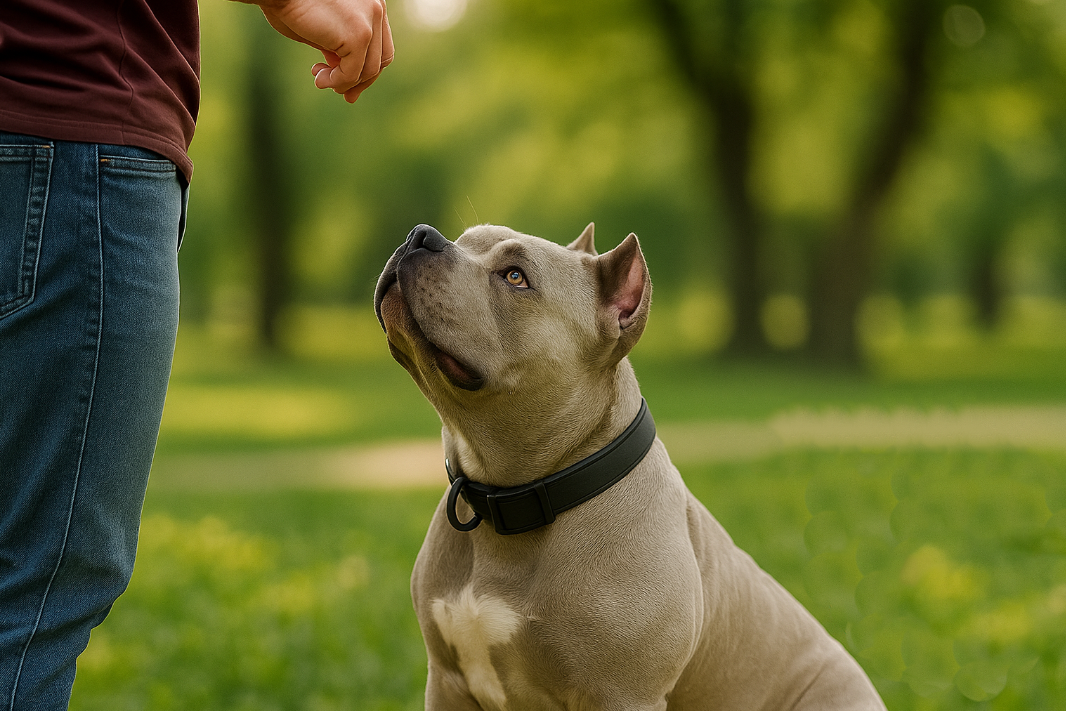
Positive reinforcement focuses on rewarding desired behaviors rather than punishing mistakes. This approach aligns naturally with the American Bully’s temperament.

American Bullies are:

  • Highly people-oriented

  • Emotionally responsive to handler tone

  • Motivated by engagement, praise, and clarity

Punishment-based methods often create confusion or stress, especially in intelligent, socially driven breeds. Positive reinforcement builds trust and encourages dogs to make good choices willingly.

Training should feel predictable and safe—not confrontational.


Understanding the American Bully Mindset

American Bullies are confident by nature, but confidence requires guidance. Without structure, confidence can turn into impulsiveness. Without leadership, intelligence can become frustration.

Effective training accounts for:

  • Emotional regulation, not just obedience

  • Clear expectations paired with calm feedback

  • Consistent routines that reduce uncertainty

For deeper insight into behavioral traits, explore:
👉 American Bully Temperament & Personality


Core Principles of Positive Reinforcement Training

Successful training rests on a few essential principles that apply at every stage of development.

1️⃣ Timing Is Everything

Rewards must occur immediately after the desired behavior. Delayed reinforcement weakens learning and creates confusion.

2️⃣ Consistency Creates Clarity

All household members should use the same cues, rules, and expectations.

3️⃣ Calm Energy Wins

American Bullies respond best to calm, confident leadership rather than high emotional input.

4️⃣ Progress Over Perfection

Training advances gradually. Mistakes are part of learning, not failure.


Training Foundations Every American Bully Should Learn

Training begins the moment an American Bully enters the home. Early focus should be on communication and structure rather than strict obedience.

Essential early skills include:

  • Name recognition

  • Calm engagement with handlers

  • Gentle handling tolerance

  • Basic cues such as sit, down, and recall

  • Leash familiarity

For structured early guidance, see:
👉 American Bully Training Fundamentals


Positive Reinforcement in Real-World Scenarios

Training does not happen only during formal sessions. The most effective American Bully training happens throughout daily life, where behaviors are practiced, reinforced, and generalized.

Rewarding Calm Behavior (Not Just Commands)

One of the most overlooked training opportunities is reinforcing calm neutrality.

Examples include:

  • Lying quietly while you work

  • Sitting patiently before meals

  • Choosing not to react to passing people, dogs, or noises

  • Remaining relaxed during routine household activity

Rewarding these moments teaches your American Bully that calm behavior is valuable. Over time, neutrality becomes the default response rather than excitement or frustration—an essential skill for a naturally alert, people-focused breed.

Calm reinforcement should be subtle. Quiet praise, gentle touch, or low-value rewards are often more effective than high excitement. The goal is emotional balance, not arousal.


Using Daily Routines as Training Opportunities

Every routine interaction is a chance to reinforce good behavior.

Daily moments that support training include:

  • Waiting calmly at doors before going outside

  • Settling on a mat during family meals

  • Walking through the home without jumping or rushing

  • Relaxing during crate time or rest periods

When structure is reinforced within everyday routines, training becomes automatic rather than forced. Dogs learn that calm, cooperative behavior consistently leads to positive outcomes.

For foundational structure that supports daily training, see:
👉 American Bully Training Fundamentals


Redirecting Unwanted Behavior Without Punishment

Unwanted behaviors are best handled through redirection, not correction.

Effective redirection includes:

  • Asking for a sit instead of allowing jumping

  • Redirecting chewing to appropriate toys

  • Moving the dog away from overstimulating situations

  • Replacing excitement with a calm task

This approach preserves trust while maintaining clear boundaries. Over time, dogs learn which behaviors consistently earn reinforcement.


Generalizing Training Beyond the Home

A behavior learned in the living room must be practiced elsewhere to become reliable.

Generalization includes:

  • Practicing cues in different rooms

  • Reinforcing behavior during walks

  • Encouraging calm responses in public environments

  • Introducing mild distractions gradually

Without generalization, obedience becomes context-dependent. Consistent reinforcement across environments ensures training holds up in real-world situations.

For guidance on confidence-building exposure, see:
👉 Socializing Your American Bully Puppy


Why Real-World Reinforcement Creates Lasting Results

Formal training sessions teach skills. Daily reinforcement turns those skills into habits.

When positive reinforcement is woven into everyday life, American Bullies develop:

  • Emotional stability

  • Strong impulse control

  • Reliable behavior without constant prompting

  • Trust in their handler’s leadership

Training stops being something you do and becomes something you live—which is where lasting results come from.


Training as Part of Responsible Ownership

Training success is inseparable from preparation, structure, and ethical breeding.

Owners who plan ahead and maintain consistency are better equipped to:

  • Prevent behavioral challenges

  • Support emotional balance

  • Strengthen the human-dog bond

  • Guide dogs confidently through adolescence

For preparation guidance, see:
👉 Preparing for an American Bully in Your Home

For ethical foundations that support temperament, explore:
👉 Ethical American Bully Breeding Practices

Final Thoughts

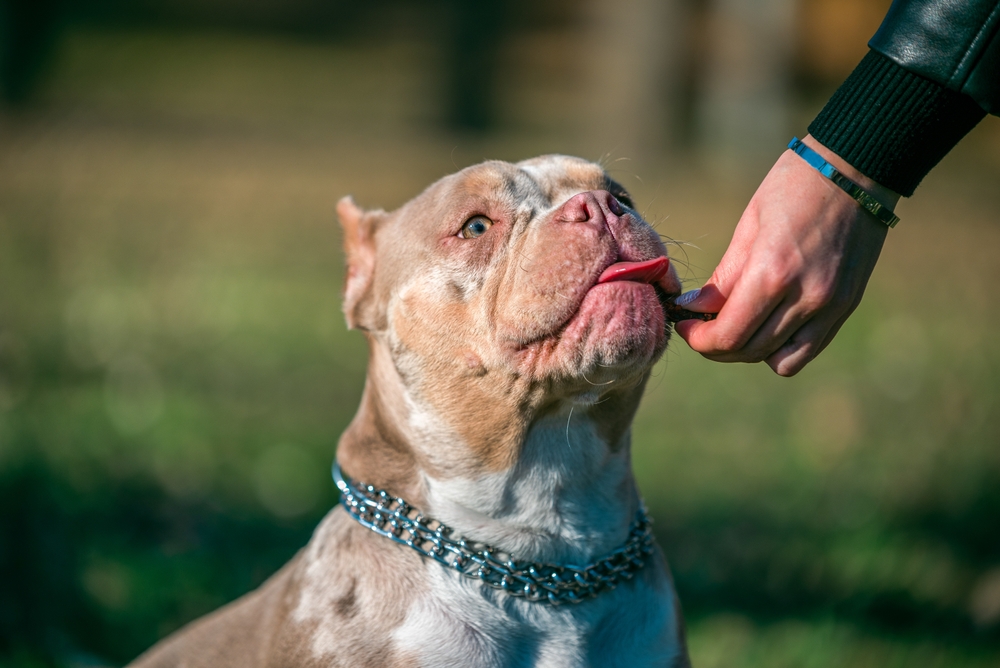
American Bully training succeeds when clarity replaces force and guidance replaces correction. Positive reinforcement builds trust, strengthens communication, and supports the stable temperament the breed is known for.

With patience, structure, and consistency, American Bullies grow into calm, confident companions that reflect responsible ownership at its best.


📘 Continue Learning About American Bully Ownership

What Is an American Bully?
American Bully Temperament & Personality
Preparing for an American Bully in Your Home
American Bully Training Fundamentals
Socializing Your American Bully Puppy
Ethical American Bully Breeding Practices

Best Training Tips for American Bullies

American Bullies are not just stunningly muscular and athletic dogs; they are also intelligent, loyal, and eager to please. These qualities make them highly trainable, but successful training requires a consistent and positive approach. Whether you’re raising a puppy or working with an adult dog, proper training is essential to ensure your American Bully becomes a well-mannered and confident companion.

In this guide, we’ll dive into the best training tips for American Bullies, focusing on three critical areas: obedience, socialization, and advanced training techniques.


Understanding the American Bully’s Temperament

Before diving into training tips, it’s important to understand the American Bully’s temperament. Known for their affectionate and gentle nature, American Bullies are loyal to their families and thrive on human interaction. They are naturally social and intelligent, which makes training an enjoyable experience when approached with consistency and patience.

However, due to their strength and enthusiasm, early training is crucial to prevent unwanted behaviors from becoming ingrained.


1. Obedience Training

Start with Basic Commands

Obedience training lays the foundation for a well-behaved dog. Begin teaching basic commands as early as 8 weeks old. Essential commands include:

Sit

Stay

Come

Leave it

Down

Use positive reinforcement techniques such as treats, praise, and toys to reward your dog for following commands. Keep sessions short and fun to maintain your dog’s attention.

Be Consistent

Consistency is key when training any dog, especially a strong-willed breed like the American Bully. Use the same commands and rewards every time to avoid confusion. If multiple people are involved in training, ensure everyone uses the same approach and terminology.

Incorporate Leash Training

Leash training is an essential part of obedience, as it ensures your Bully is safe during walks. Use a short leash at first to maintain control and reward your dog for walking calmly beside you. Avoid pulling on the leash, as this can create tension and lead to resistance.


2. Socialization

Socialization is crucial for American Bullies to develop into confident and well-adjusted adults. Proper socialization helps reduce fear and aggression while encouraging positive interactions with people, other dogs, and new environments.

Early Exposure

Expose your American Bully puppy to a variety of situations, including:

  • Different people (children, adults, and seniors)

  • Other dogs and animals

  • New environments such as parks, streets, and pet-friendly stores

  • Everyday sounds like traffic, vacuum cleaners, and doorbells

Aim to make each experience positive by rewarding calm behavior with treats and praise.

Controlled Introductions

When introducing your Bully to other dogs, ensure the interactions are controlled and supervised. Begin with calm, friendly dogs to avoid overwhelming your pup. Keep the initial meetings short and gradually increase the time as your dog becomes more comfortable.

Enroll in Puppy Classes

Puppy classes are an excellent way to socialize your American Bully while also reinforcing obedience training. These classes provide a controlled environment for your dog to interact with other puppies and learn essential skills.


3. Advanced Training Techniques

Once your American Bully masters basic obedience and socialization, you can move on to advanced training techniques to further enhance their skills and mental stimulation.

Teach Complex Commands

Challenge your dog’s intelligence by teaching more complex commands such as:

Roll Over

Fetch Specific Items

Go to Your Place

Spin

Break each command into smaller steps and reward progress along the way. Patience is key, as advanced commands may take time to perfect.

Focus on Impulse Control

Impulse control training helps your Bully stay calm and focused in stimulating situations. Exercises like “Wait,” “Leave It,” and “Place” teach your dog to control their impulses and respond to your cues.

Agility Training

American Bullies have impressive athleticism, making them excellent candidates for agility training. Set up an obstacle course with tunnels, jumps, and weave poles to challenge their physical and mental abilities. This is a great way to burn energy and strengthen your bond.

Train for Specific Roles

If you want your American Bully to take on a specific role, such as a therapy dog or a protector, tailor their training accordingly:

  • Therapy Dogs: Focus on calm behavior, desensitization to various environments, and a strong “stay” command.

  • Guard Dogs: Teach advanced obedience, boundary training, and appropriate alert behaviors. Ensure this training is approached responsibly to avoid unwanted aggression.


General Training Tips for Success

Use Positive Reinforcement

American Bullies respond exceptionally well to positive reinforcement. Reward desired behaviors with treats, praise, and playtime to encourage repetition. Avoid punishment, as it can lead to fear or mistrust.

Keep Sessions Short

Training sessions should last 10–15 minutes, especially for puppies. Short, frequent sessions are more effective than long, tiring ones.

Be Patient

Training takes time, and every dog learns at their own pace. Stay patient and persistent, and celebrate small victories along the way.

Provide Mental Stimulation

American Bullies are intelligent and require mental stimulation to stay happy. Puzzle toys, treat-dispensing games, and interactive play keep their minds sharp and prevent boredom.

Exercise Regularly

A well-exercised dog is easier to train. Regular physical activity reduces excess energy and helps your Bully focus during training sessions.


Common Training Challenges and How to Overcome Them

Pulling on the Leash

If your Bully pulls during walks, stop immediately and wait for them to relax before continuing. Use treats to encourage walking calmly by your side.

Jumping on People

Teach an alternative behavior, such as sitting, when greeting people. Reward calm behavior and ignore jumping to discourage the habit.

Distracted by Other Dogs

Use high-value treats and practice focus exercises to keep your dog’s attention on you during walks and social outings.


Why Training Matters

Training your American Bully is about more than just teaching commands—it’s about building a strong, trusting relationship. A well-trained Bully is a joy to be around and reflects the care and effort you’ve invested in their upbringing.

By focusing on obedience, socialization, and advanced training, you’ll set your American Bully up for a lifetime of success and happiness.


Ready to take your training to the next level? Visit Capcity Bullys for more tips, advice, and resources tailored to American Bully owners. Together, we can help your dog reach their full potential!

Sign up to get alerts on New Puppies, Breedings & Blog Updates

Download Free Ebook After your subscription

You can unsubscribe at any time by clicking the safe unsubscribe link in the footer of our emails.