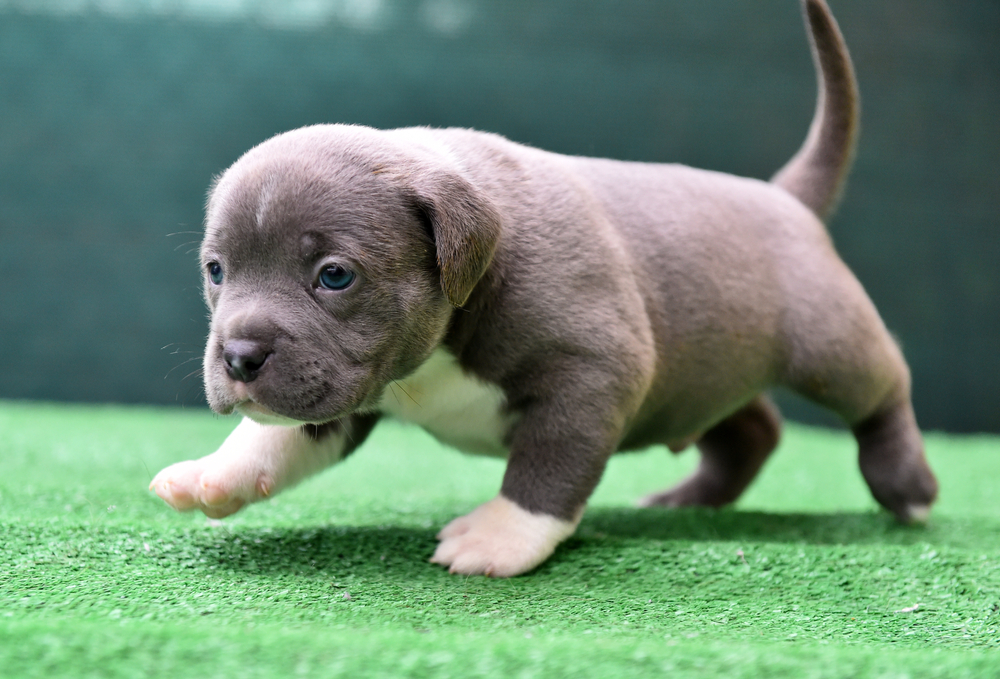
Devilspit: The Legendary Bloodline in the American Bully World

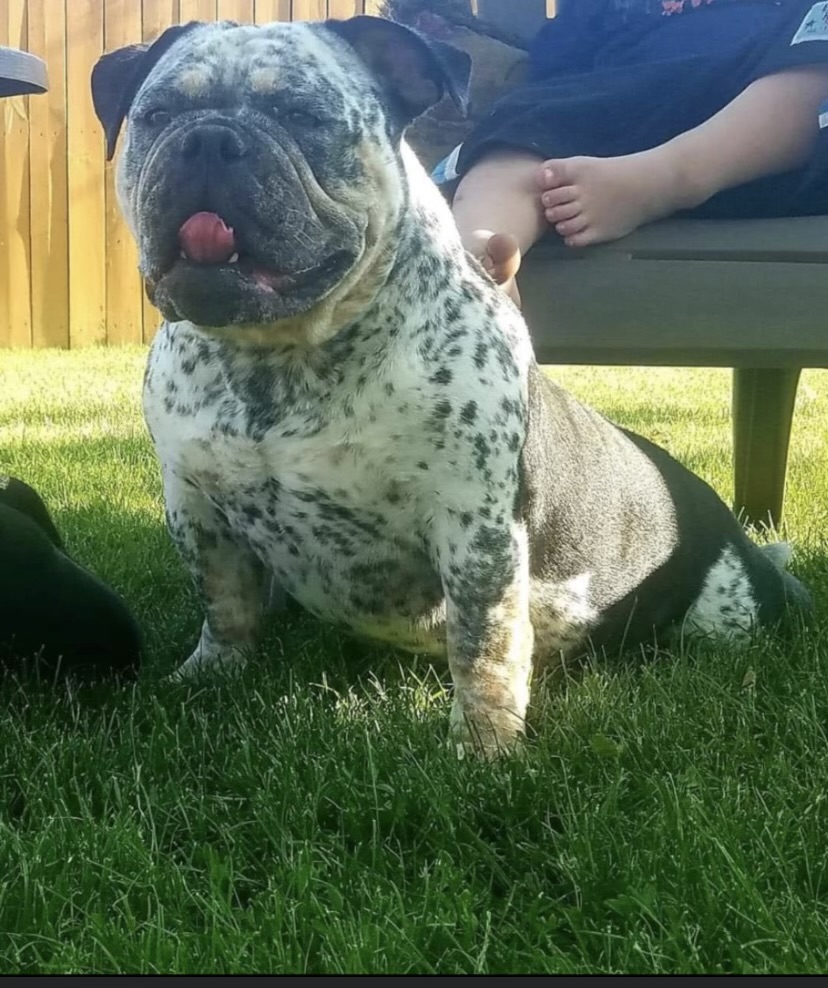
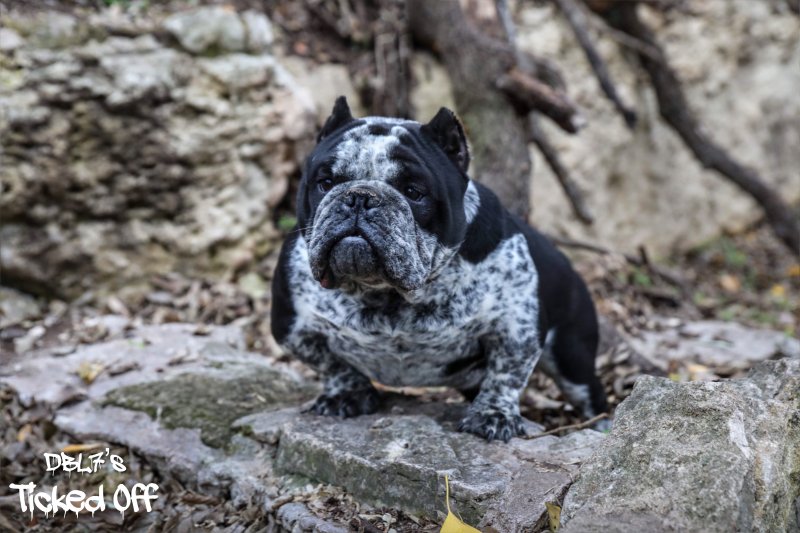
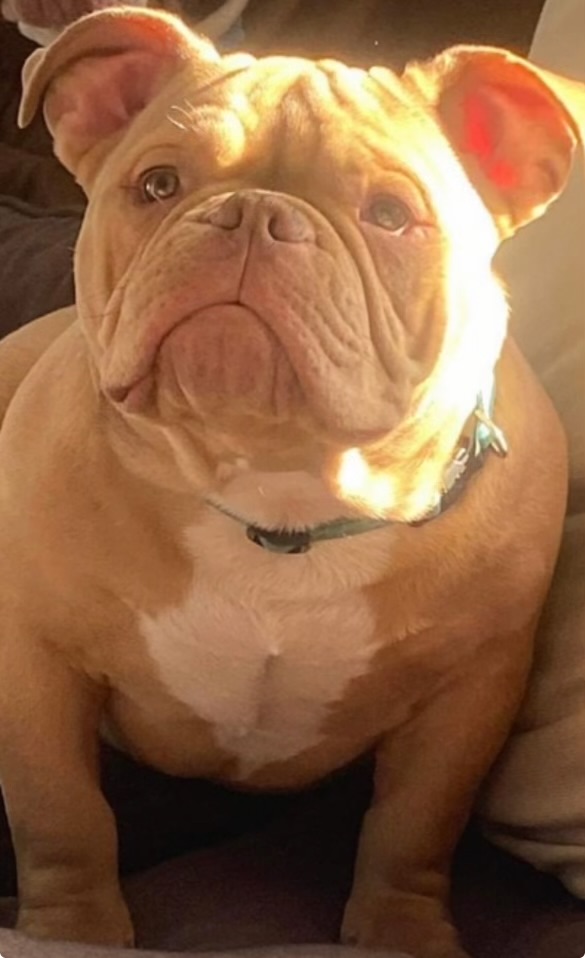
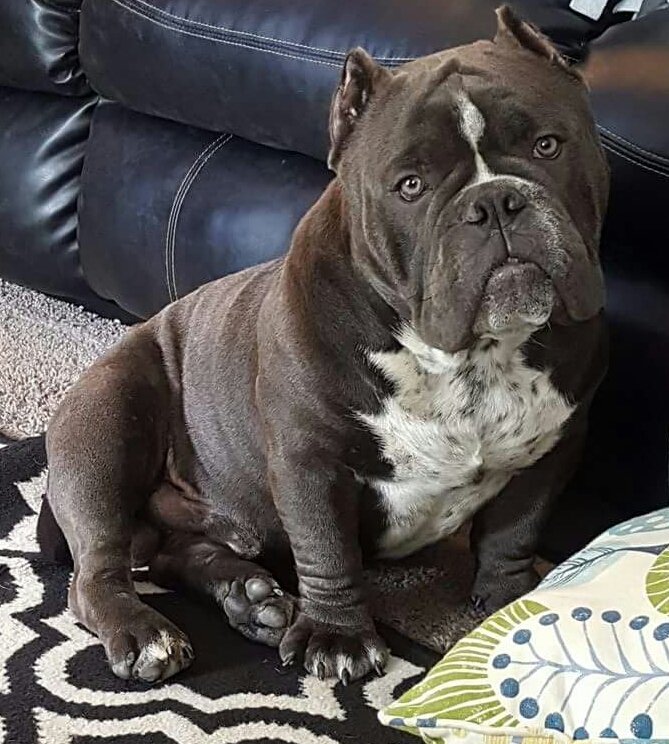
The American Bully breed has taken the canine world by storm, celebrated for its muscular build, loyal temperament, and striking appearance. Among the many notable bloodlines that have emerged, Devilspit stands out as one of the most iconic. Known for producing compact, powerful, and visually stunning dogs, Devilspit has become synonymous with excellence in the American Bully community. In this article, we’ll explore the history, traits, and influence of the Devilspit bloodline and why it remains a cornerstone for breeders and enthusiasts alike.


The Origins of Devilspit

The Devilspit bloodline traces its roots to a commitment to producing a unique type of American Bully: compact yet muscular, with extreme features that set it apart. Created by breeders passionate about refining the breed’s aesthetic and temperament, Devilspit combines select genetics to produce dogs with unmatched quality.

What truly distinguishes Devilspit is its consistency. Breeders of this line meticulously pair dogs to ensure every litter embodies the bloodline’s signature traits. Over time, Devilspit has gained a reputation for producing Bullys that dominate the show ring and captivate the hearts of pet owners worldwide.


Key Traits of the Devilspit Bloodline

Devilspit American Bullies are revered for their distinctive appearance and impressive structure. Here are the standout characteristics that make this bloodline so coveted:

1. Compact and Muscular Build

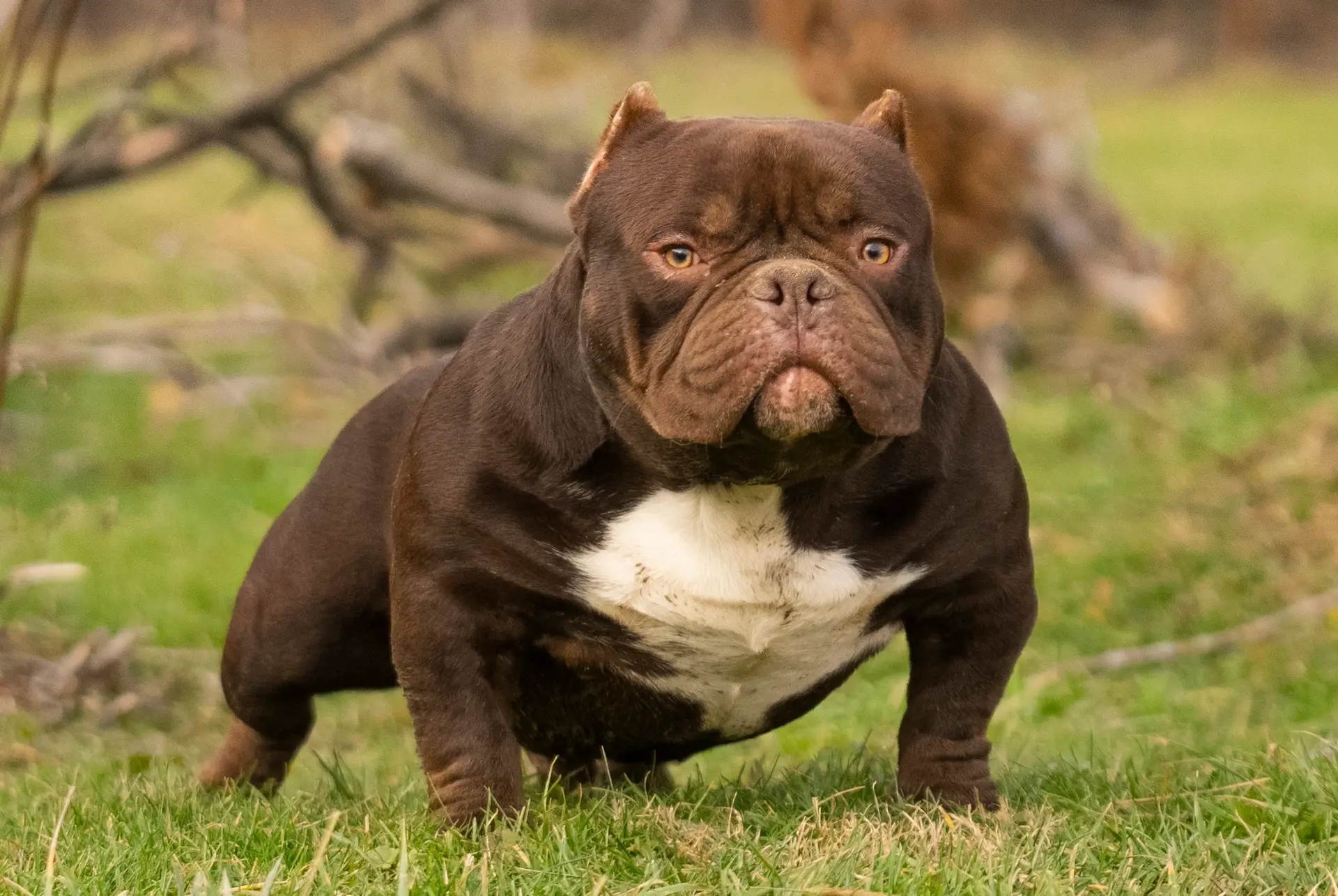
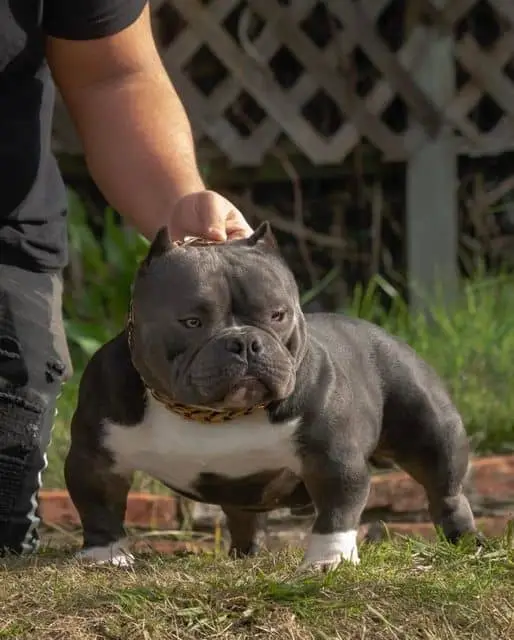
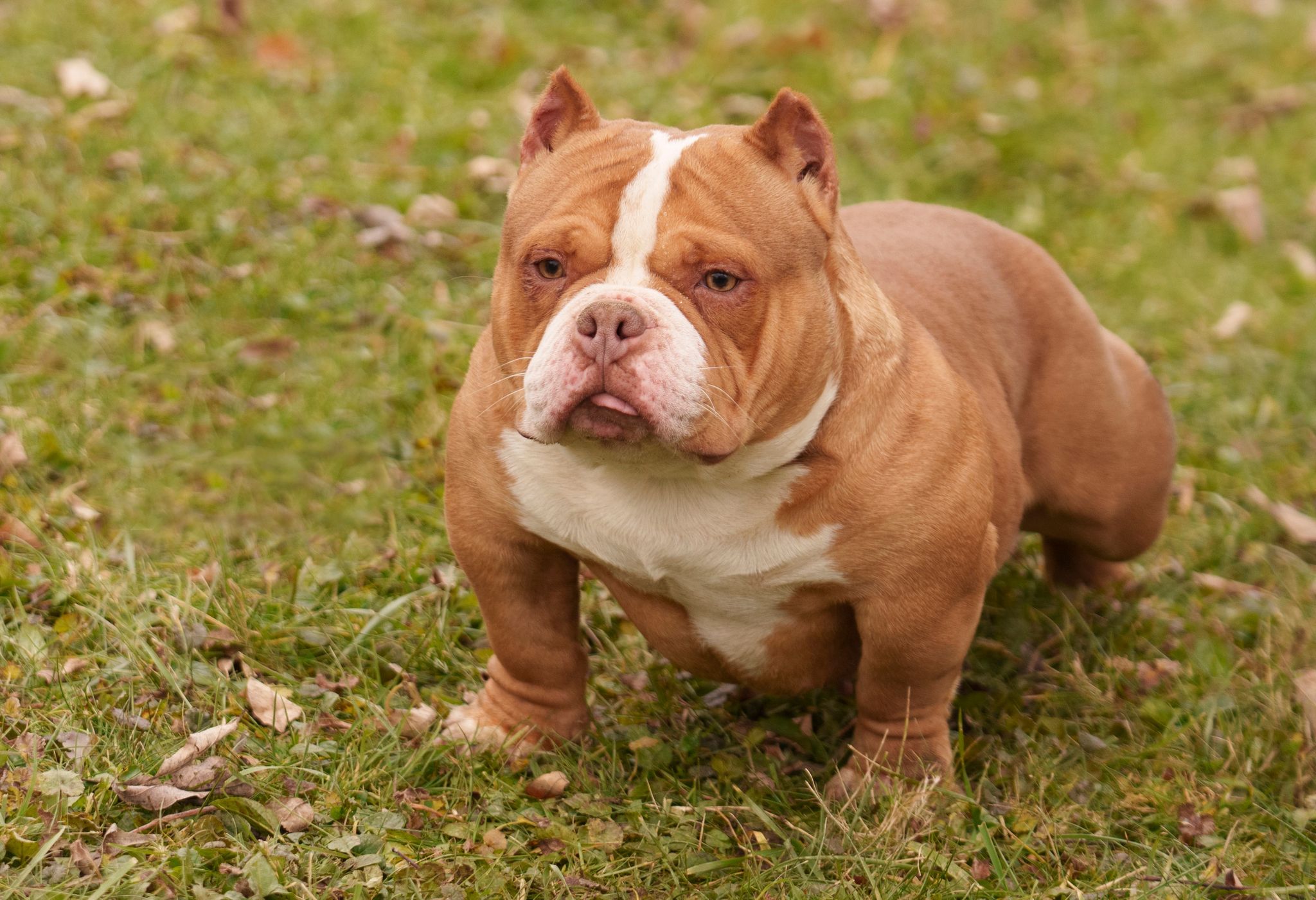
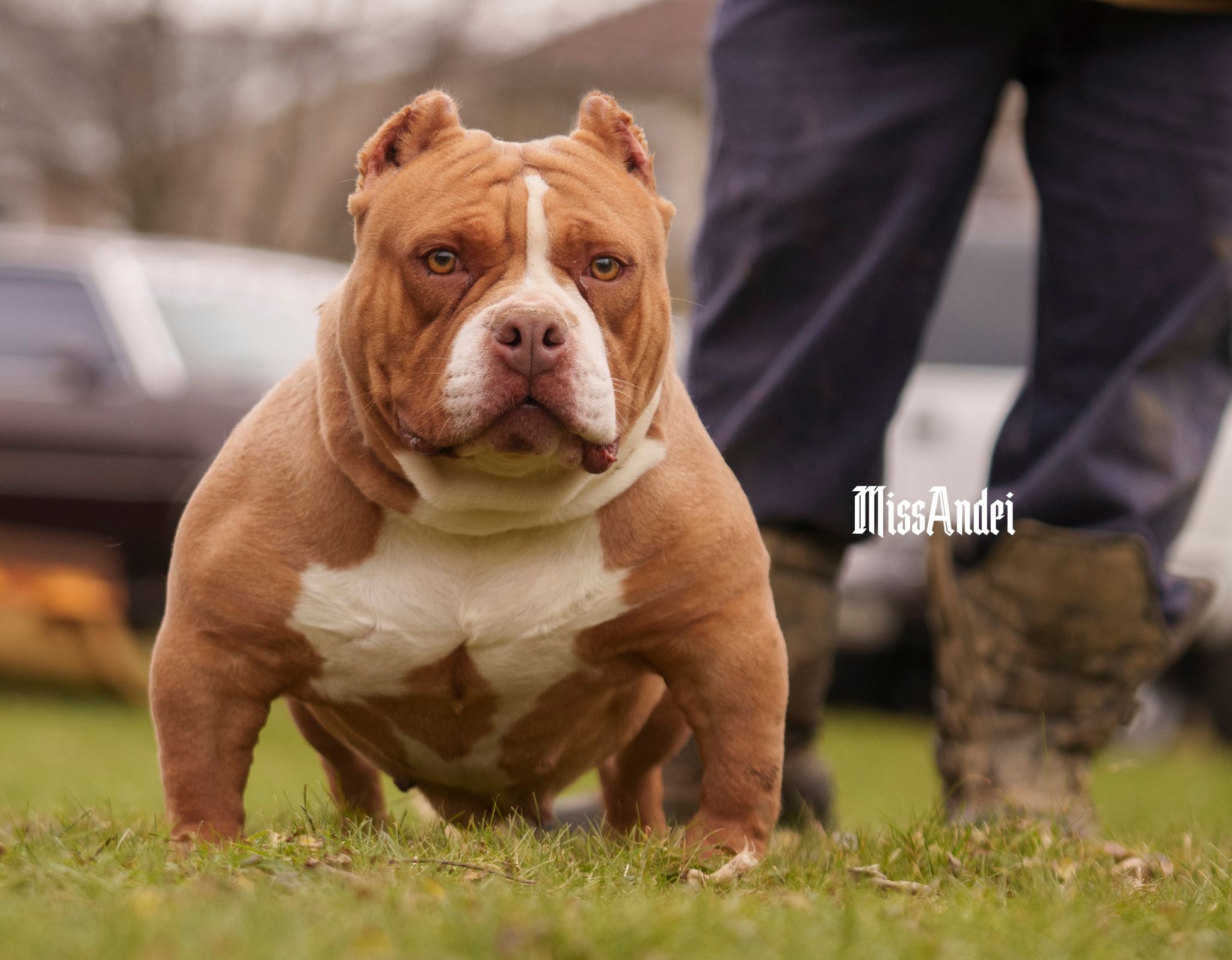
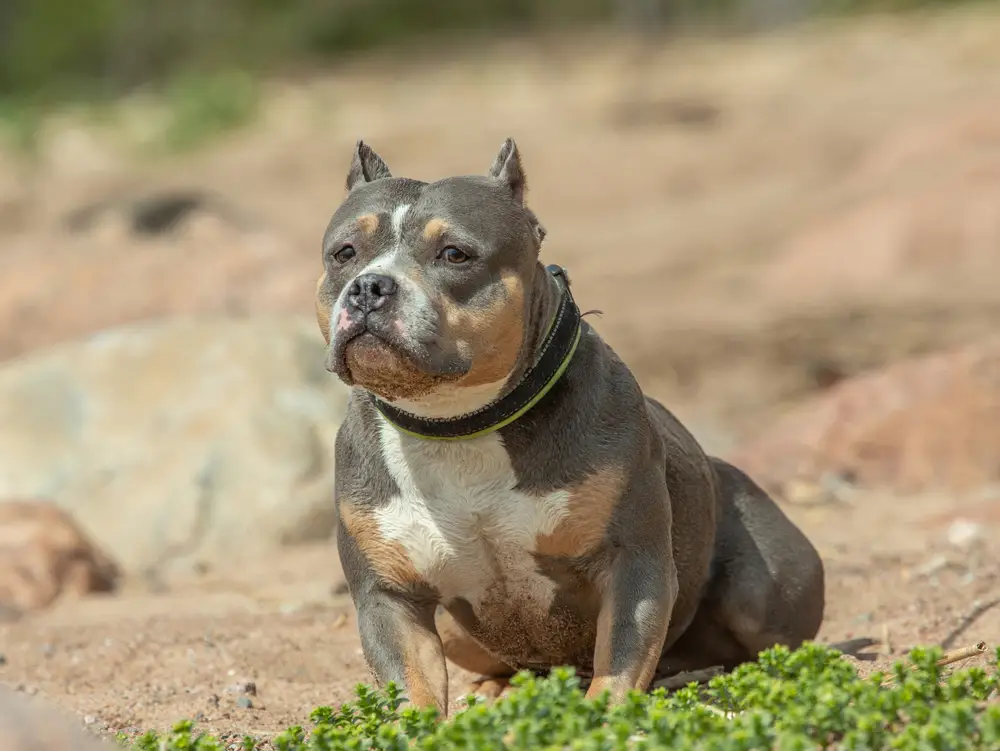
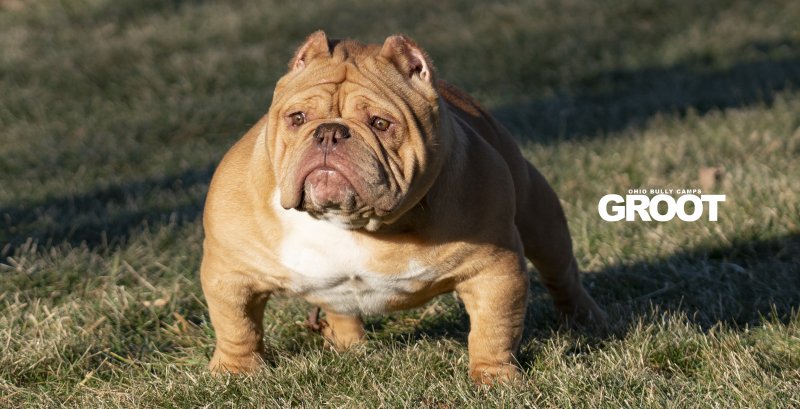
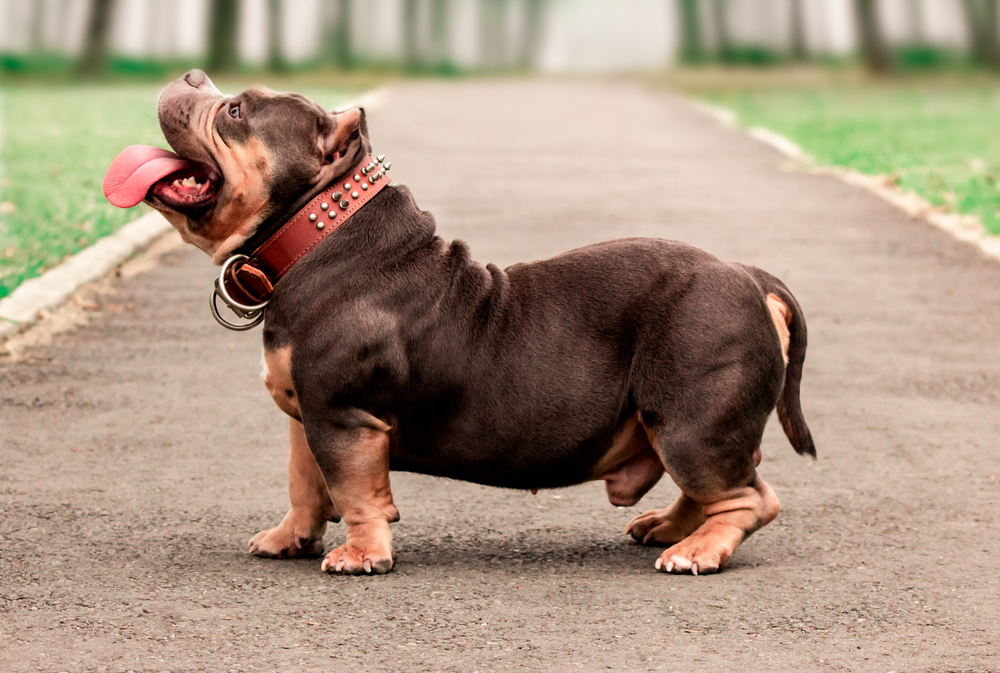
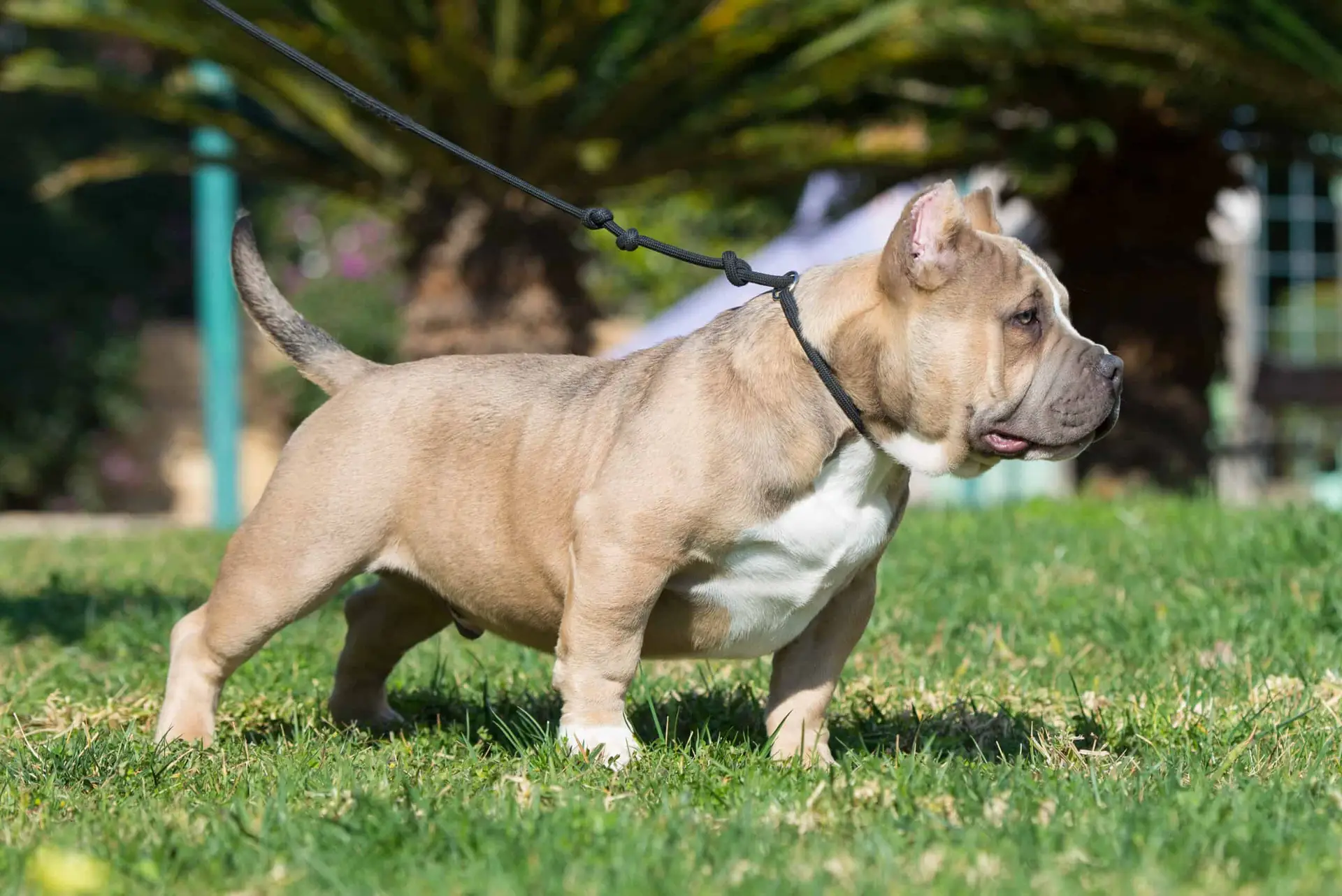
Devilspit Bullies are known for their compact frames packed with muscle. Despite their smaller stature, they exhibit incredible strength and a commanding presence, embodying the “small but mighty” ethos.

2. Extreme Features

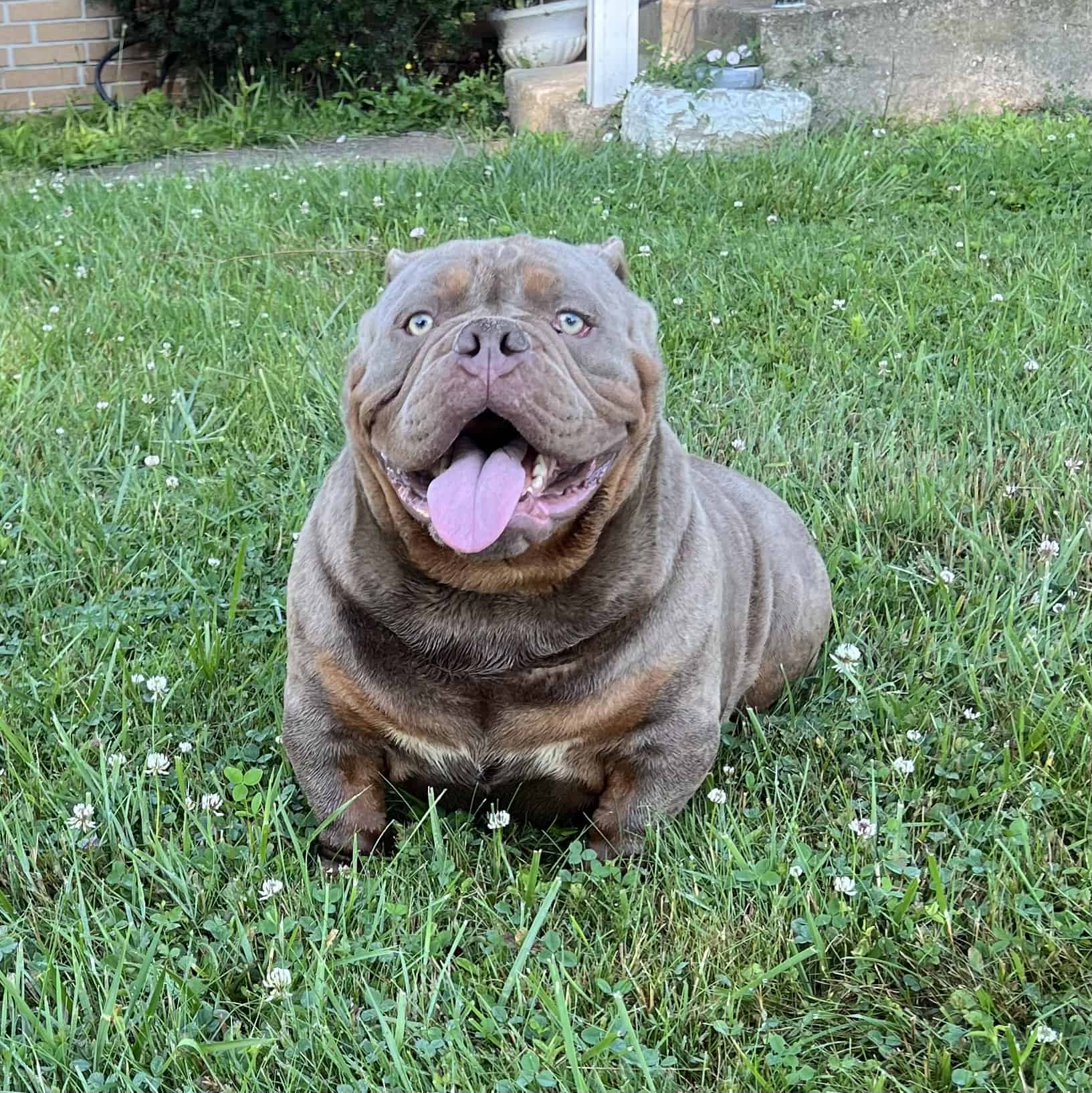
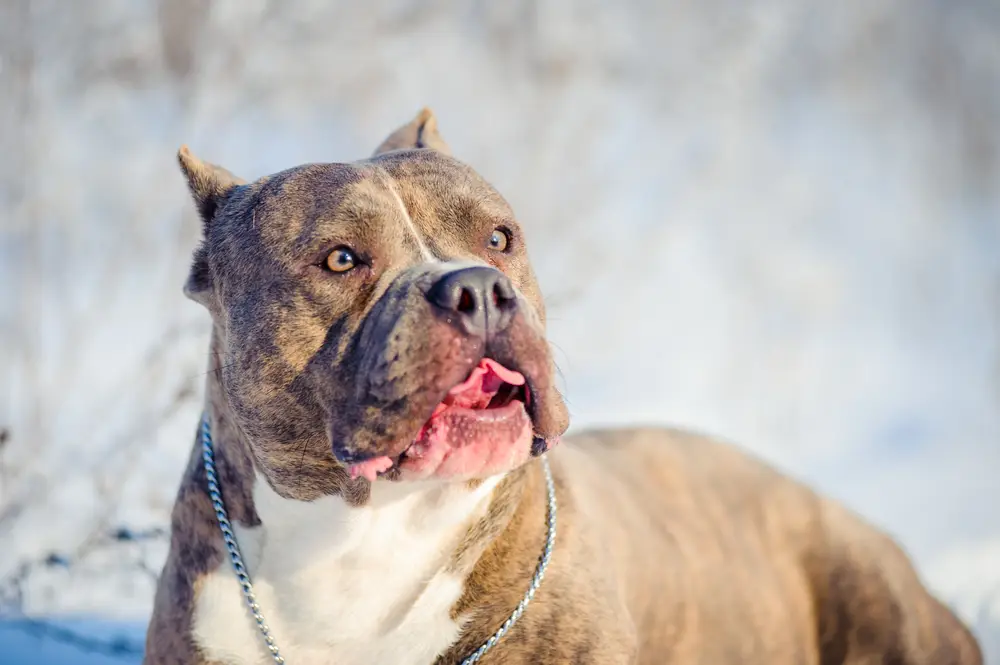
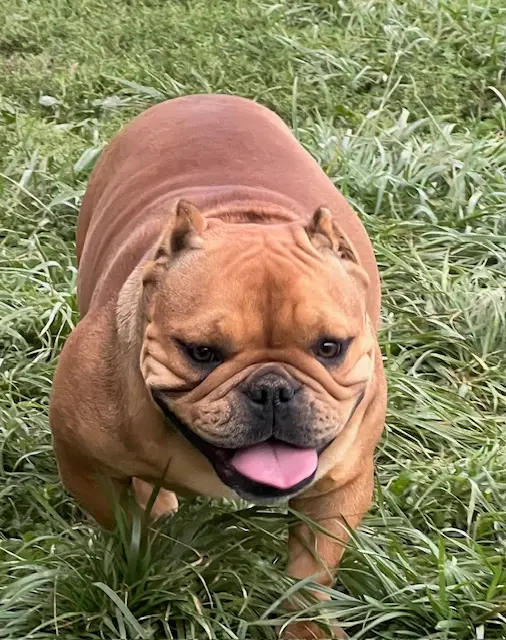
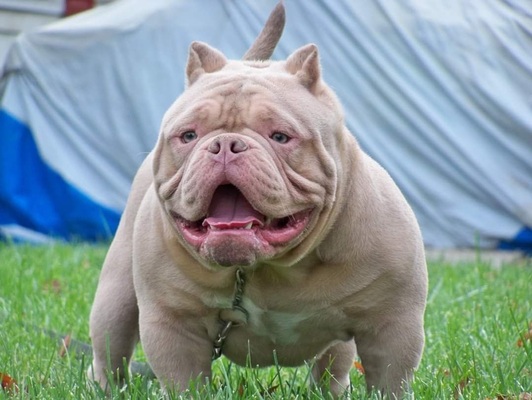
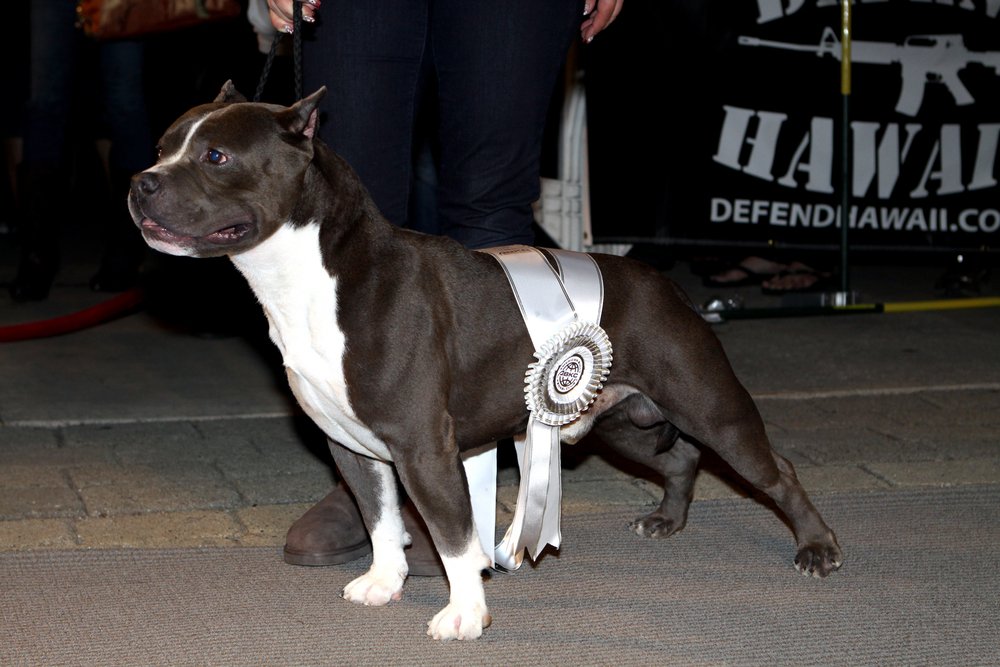
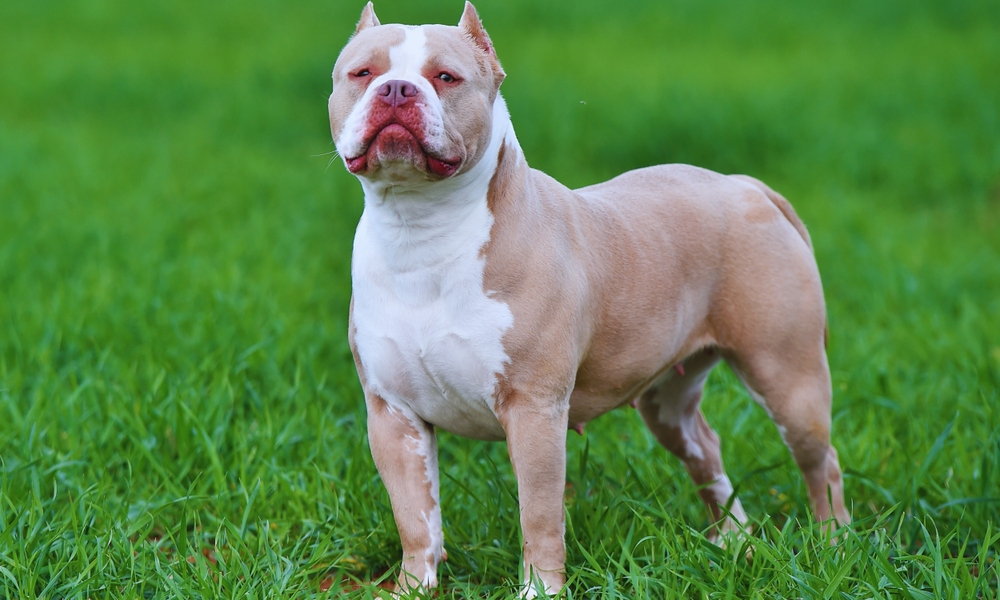
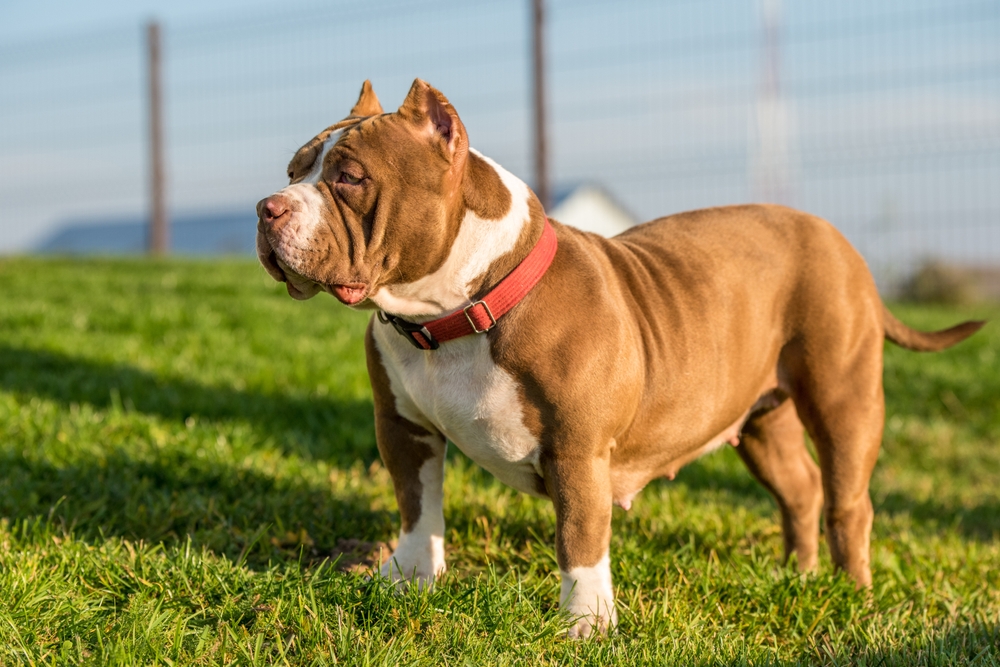
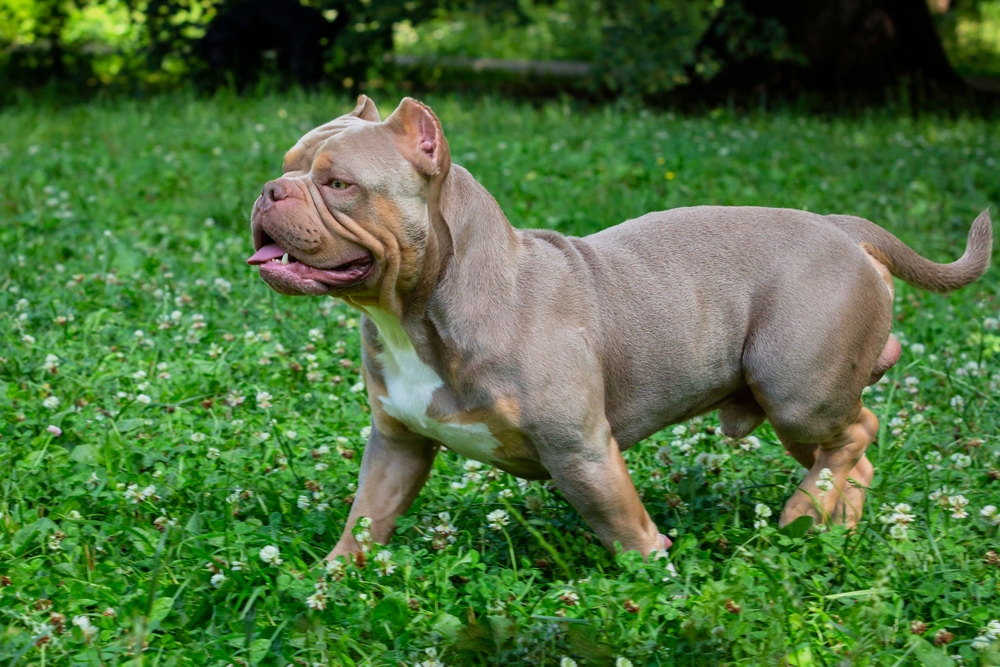
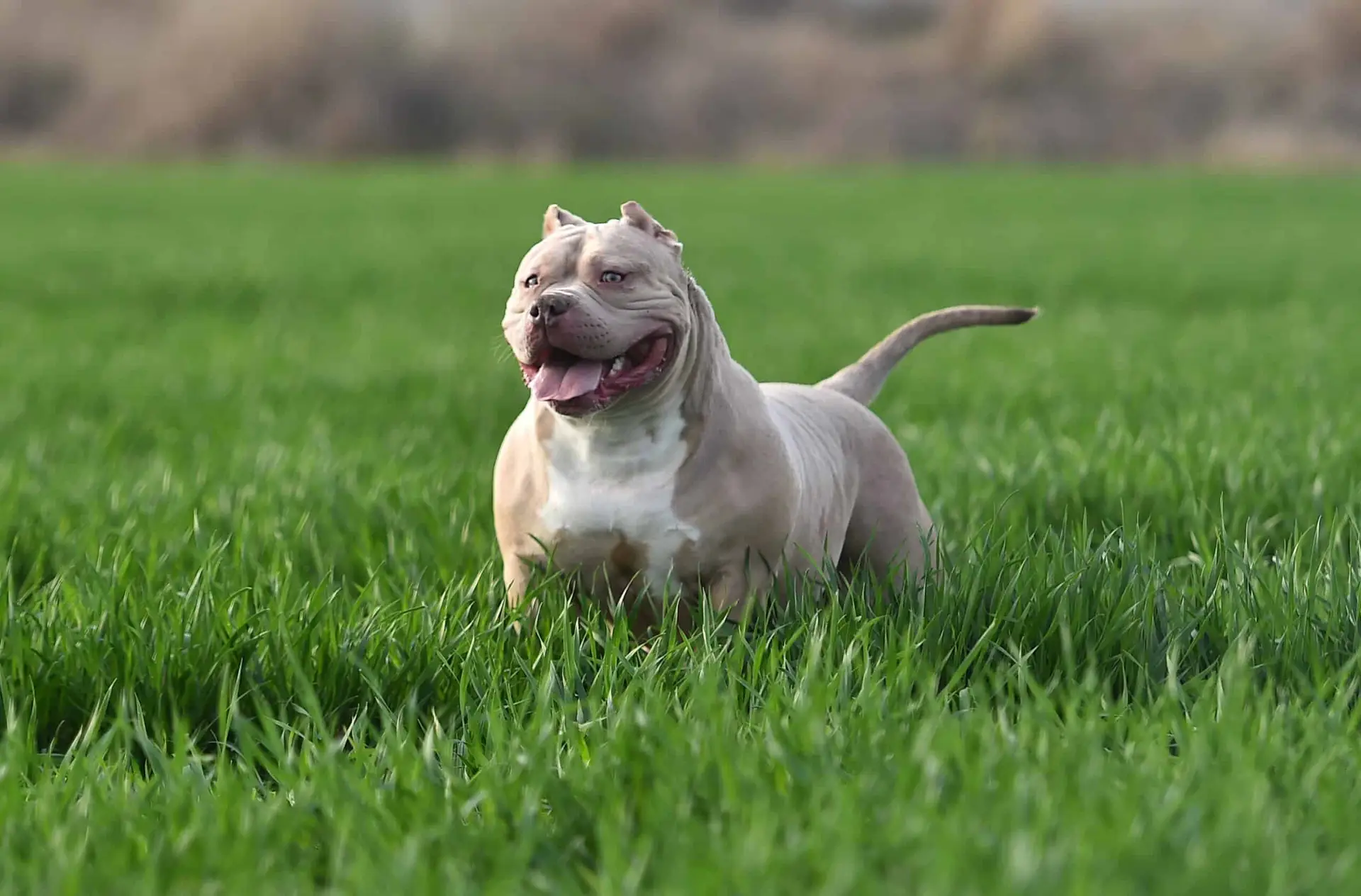
One of the hallmarks of the Devilspit bloodline is its extreme yet clean features. Dogs from this line often have wide chests, blocky heads, and pronounced cheek muscles, creating a striking appearance that sets them apart.

3. Short, Smooth Coat

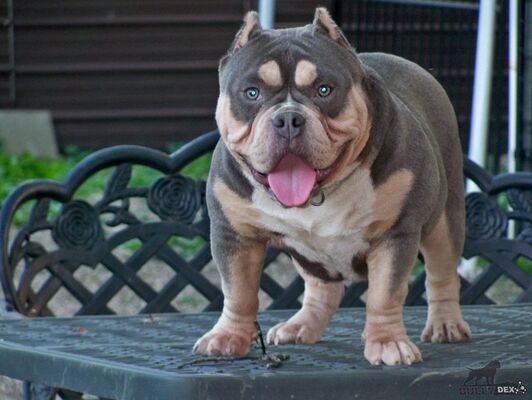
The Devilspit bloodline typically produces dogs with a short, smooth coat that enhances their muscular definition. Common coat colors include shades of blue, fawn, black, and white, often with eye-catching patterns or markings.

4. Loyal and Confident Temperament

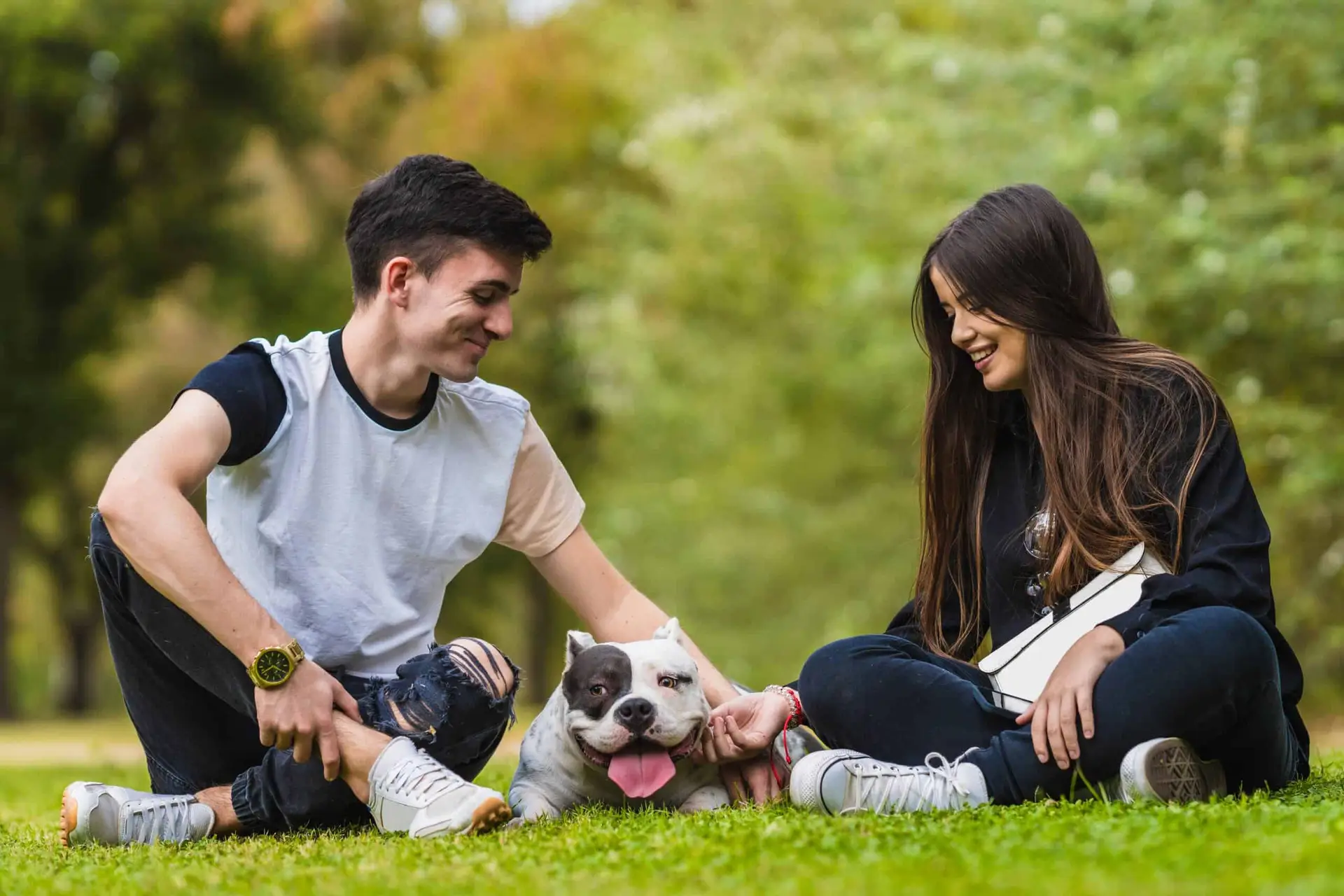
While their looks are fierce, Devilspit Bullies are known for their loyalty and affectionate nature. They are confident yet gentle, making them excellent companions for families.

5. Excellent Health and Longevity

Breeders of the Devilspit line prioritize health, ensuring their dogs have the strength and vitality to thrive. Regular health testing and selective breeding contribute to this bloodline’s longevity.


The Influence of Devilspit in the Bully Community

Devilspit is not just a bloodline; it’s a brand in the American Bully world. Its influence extends across breeding programs, show rings, and social media platforms, where enthusiasts proudly showcase their Devilspit Bullies.

Breeding Programs

Many breeders incorporate Devilspit genetics into their programs to enhance their stock. The bloodline’s consistency and desirable traits make it a valuable addition to any pedigree.

Dominance in Shows

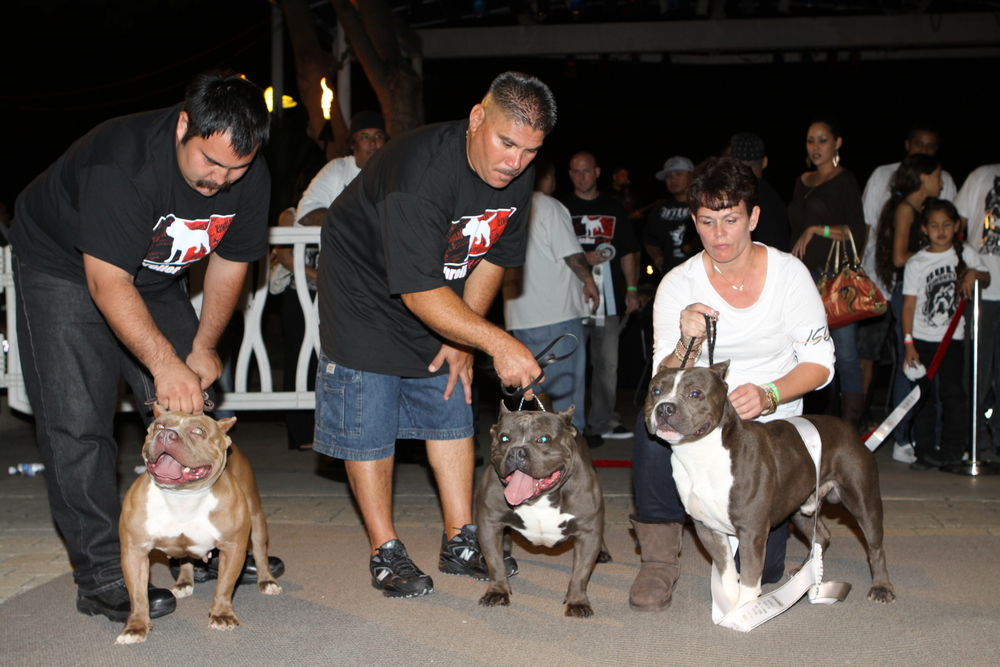
Devilspit Bullies often steal the spotlight in American Bully shows. Their exceptional structure and extreme features align with breed standards, making them top contenders in categories like Micro and Pocket Bullys.

Social Media Sensations

The striking looks of Devilspit Bullies have made them stars on platforms like Instagram and TikTok. Owners and breeders proudly share photos and videos of their dogs, contributing to the bloodline’s global popularity.


Caring for a Devilspit American Bully

Owning a Devilspit Bully comes with responsibilities to ensure they remain healthy and happy. Here are some essential care tips for these extraordinary dogs:

1. Provide Proper Nutrition

A high-quality diet rich in protein and essential nutrients is crucial for maintaining their muscular build. Consult your vet to create a feeding plan tailored to your Bully’s age, size, and activity level.

2. Regular Exercise

Despite their compact size, Devilspit Bullies are energetic and require daily exercise. Long walks, playtime, and mental stimulation are essential to prevent boredom and maintain their physical health.

3. Routine Grooming

Their short coat requires minimal grooming, but regular brushing helps keep their fur shiny and reduces shedding. Regular nail trims, ear cleaning, and dental care are also important.

4. Consistent Training and Socialization

Early training and socialization are key to ensuring your Devilspit Bully grows into a well-mannered adult. Positive reinforcement methods work best for this intelligent and eager-to-please breed.

5. Health Monitoring

Regular vet check-ups are essential to monitor your dog’s overall health. Devilspit Bullies, like all breeds, can be prone to certain conditions, so proactive care is vital.


Why Choose a Devilspit American Bully?

If you’re looking for a dog that combines exceptional looks with a loving personality, the Devilspit bloodline is hard to beat. Here are a few reasons why Devilspit Bullies are so popular:

  • Versatility: Whether you’re a breeder, a show enthusiast, or a family looking for a loyal companion, Devilspit Bullies excel in all roles.

  • Pedigree Excellence: The bloodline’s consistent quality ensures you’re getting a dog with outstanding genetics.

  • Community: Owning a Devilspit Bully connects you to a passionate community of breeders, owners, and enthusiasts who share your love for the breed.


How to Find a Reputable Devilspit Breeder

As the demand for Devilspit Bullies grows, it’s essential to find a reputable breeder committed to ethical practices. Here are some tips for finding the right breeder:

  1. Research and Reviews: Look for breeders with a strong reputation in the American Bully community.

  2. Visit the Facility: Ensure the breeder’s facility is clean, well-maintained, and prioritizes the dogs’ well-being.

  3. Ask Questions: A good breeder will be transparent about their breeding practices, health testing, and the bloodline’s history.

  4. Check Pedigree: Verify the puppy’s lineage to ensure it carries the Devilspit bloodline.

  5. Avoid Puppy Mills: Steer clear of breeders focused solely on profit rather than the health and quality of their dogs.


Conclusion

The Devilspit bloodline represents the pinnacle of excellence in the American Bully world. Its combination of extreme features, compact size, and loyal temperament has earned it a place in the hearts of breeders and dog lovers worldwide. Whether you’re looking to add a stunning show dog to your kennel or a devoted companion to your family, a Devilspit Bully is an exceptional choice.

For more information on the American Bully breed, including care tips and bloodline profiles, visit CapCity Bullys today!

Harmony

Harmony

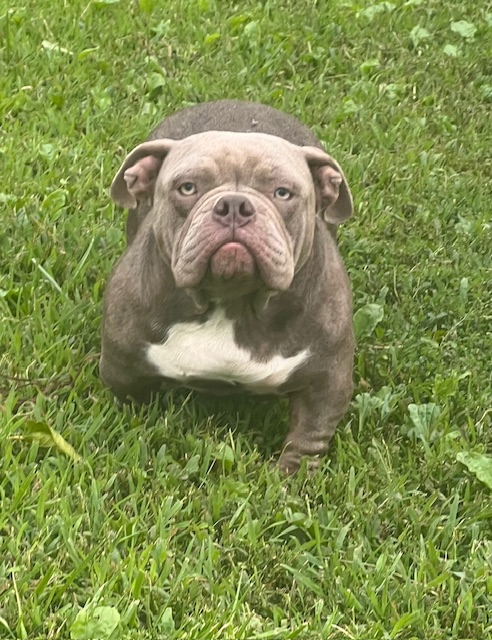
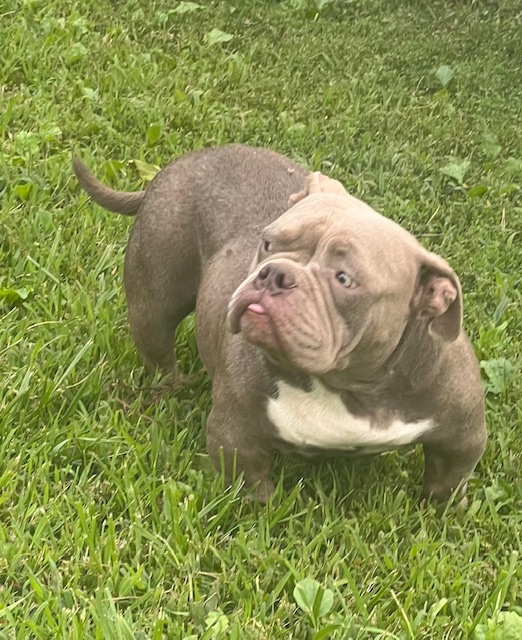
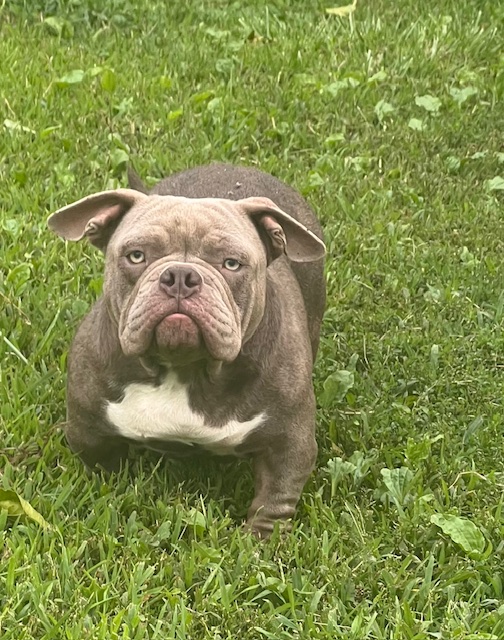
🐾 Meet Harmony – The Queen of CapCity Bullys! 🐾

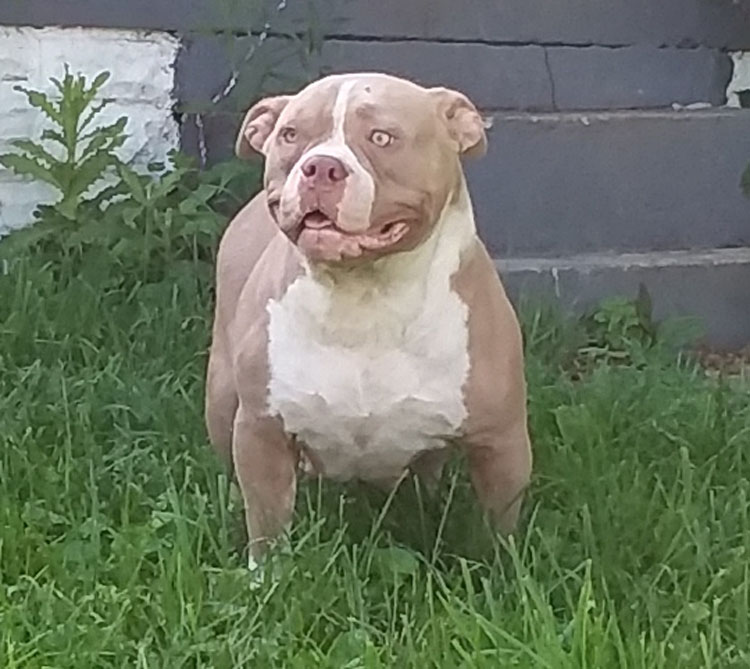
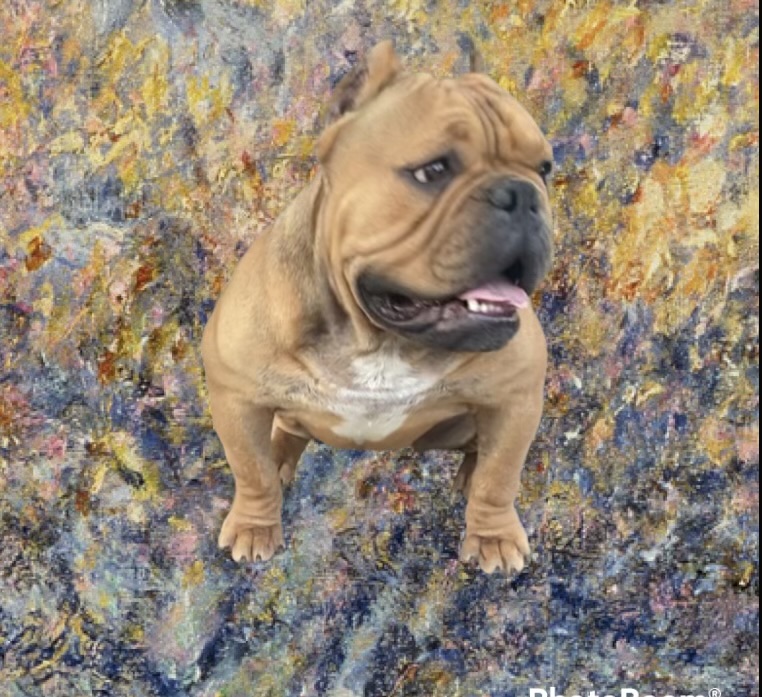
Harmony is a stunning 10-inch Micro American Bully known for her clean, compact structure and radiant personality. A proud representative of the world-renowned Devilspit bloodline, she also boasts a touch of the prestigious Miagi and Bape lineage, making her pedigree second to none. Harmony’s balanced build and impeccable features set her apart, showcasing the excellence CapCity Bullys strives for. Her loving temperament and playful spirit make her a true gem, whether she’s turning heads in the ring or relaxing at home. Harmony embodies style, strength, and grace—a perfect example of elite Bully breeding.

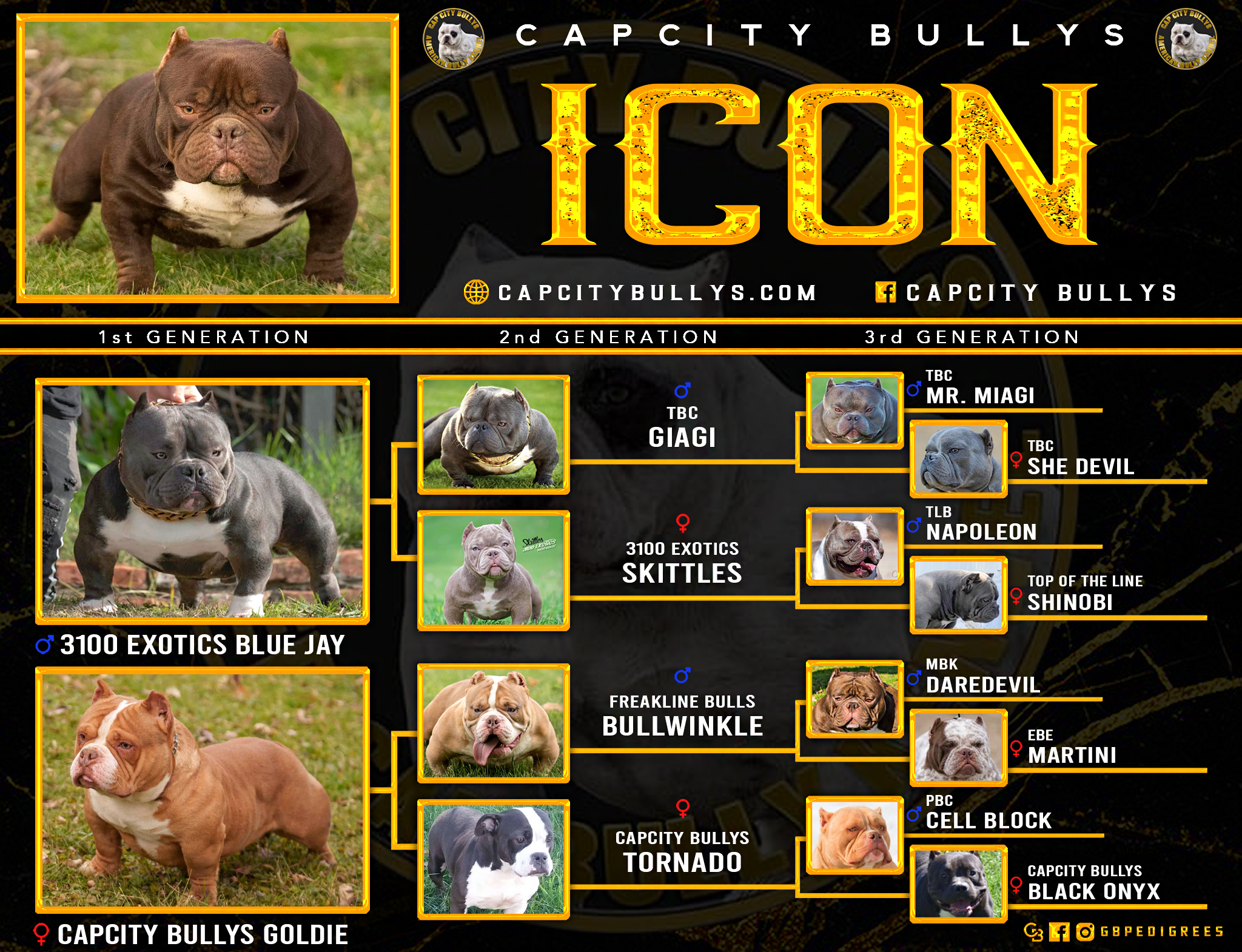
Icon

Capcity Bullys

Blue Jay

3100 Exotics

Giagi

The Bully Camp Line

Skittles

3100 Exotics

Goldie

Capcity Bullys

Bullwinkle

Freakline Bulls

Tornado

Capcity Bullys

Bella

Capcity Bullys

Devils Paintbrush

GEB

Dirt Devil

GEB

Cookie

GEB

Missandi

Capcity Bullys

Choco

Capcity Bullys

Peaches

Capcity Bullys

Micro Bully Puppies Within 2 Hours of Erie, Pennsylvania

Top Micro Bully Puppies for Sale Within 2 Hours of Erie, PA

Are you searching for the perfect Micro Bully puppy near Erie, Pennsylvania? You’re in luck! Erie is strategically located within a two-hour drive of several major cities, including Pittsburgh, Pennsylvania, Cleveland, Ohio, and Buffalo, New York.  Let’s dive into why Micro Bullies are so special and where you can find your next furry companion in Erie.


Why Choose a Micro Bully?

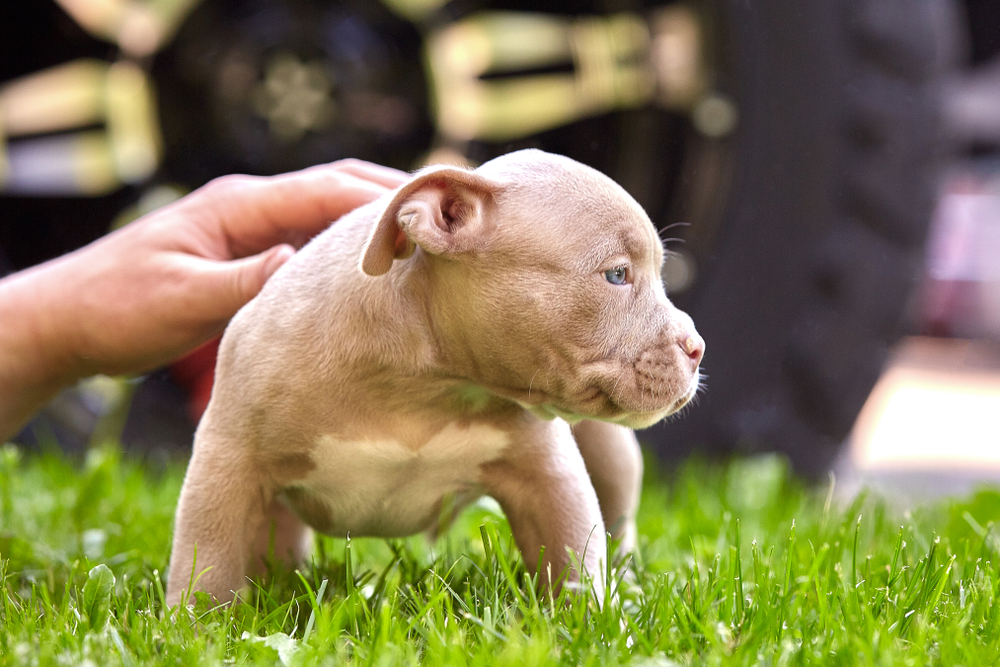
Micro Bullies, a compact and muscular variation of the American Bully breed, have skyrocketed in popularity. Known for their affectionate nature, striking appearance, and manageable size, they’re perfect for dog enthusiasts seeking a loyal and eye-catching pet.

  • Compact Size: Micro Bullies are smaller than standard Bullies, making them ideal for homes or apartments with limited space.

  • Friendly Personality: These dogs are great with children and other pets, thanks to their loving and playful temperament.

  • Distinct Appearance: With their muscular build, broad heads, and short coats, Micro Bullies are a breed that stands out wherever they go.


Erie’s Ideal Location for Micro Bully Buyers

One of the best parts of being a breeder in Erie, PA, is its proximity to Pittsburgh, Cleveland and Buffalo. Each of these cities offers options to find the perfect Micro Bully puppy while ensuring you’re working with an ethical breeders.

Pittsburgh, Pennsylvania

Located just under two hours south of Erie, Pittsburgh boasts a growing community of American Bully enthusiasts and breeders. Capcity Bullys specialize in Micro Bullies with top-notch bloodlines, ensuring you get a healthy and well-tempered puppy.


Cleveland, Ohio

Heading two hours west from Erie, you’ll find Cleveland, Ohio, another hotspot for American Bully lovers. Capcity Bullys showcase puppies with championship bloodlines and excellent temperament.


Buffalo, New York

Just an hour and a half northeast of Erie, Capcity Bullys is a fantastic option for finding top-quality Micro Bully puppies. Capcity Bullys pride themselves on ethical breeding practices and producing dogs that excel in health and conformation.


Tips for Choosing the Right Micro Bully Puppy

When searching for the perfect Micro Bully, it’s essential to do your homework. Here are some tips to help you make an informed decision:

1. Research the Breeder

  • Look for breeders with positive reviews and testimonials.

  • Visit the breeder’s facility to assess cleanliness and care standards.

  • Ask about the puppy’s lineage, including health testing of the parents.

2. Check the Puppy’s Health

  • Ensure the puppy is up-to-date on vaccinations and deworming.

  • Ask for a health guarantee or veterinary records.

  • Observe the puppy’s energy levels and overall appearance.

3. Understand the Breed’s Needs

  • Micro Bullies require moderate exercise and mental stimulation.

  • Their short coat makes grooming simple but leaves them sensitive to extreme temperatures.

  • Early socialization and training are key to a well-behaved adult dog.

4. Budget for Your Puppy

  • High-quality Micro Bullies can range from $3,000 to $10,000 or more, depending on bloodlines and rarity.

  • Factor in the costs of initial supplies, vet visits, and training.


Preparing for Your New Puppy

Bringing home a new puppy is exciting but requires preparation. Here’s a quick checklist to help you get started:

  • Supplies: Stock up on essentials like food, bowls, a leash, collar, bed, crate, and toys.

  • Vet Appointment: Schedule a checkup with a veterinarian shortly after bringing your puppy home.

  • Puppy-Proofing: Ensure your home is safe by removing potential hazards, like toxic plants or loose wires.

  • Training Plan: Research training methods or consider enrolling in a puppy class to establish good behavior early.


Why Choose a Micro Bully from a Reputable Breeder?

Working with a responsible breeder ensures you’re getting a healthy puppy with a stable temperament. Ethical breeders prioritize:

  • Health testing to minimize genetic issues.

  • Proper socialization to produce well-adjusted puppies.

  • Providing new owners with resources and ongoing support.


Final Thoughts

Start your search today and discover why Micro Bullies are the perfect blend of loyalty, personality, and charm. Ready to meet your new best friend? Visit Capcity Bullys for available litters and expert advice on choosing the right puppy for your family!

American Bully Growth Stages: From Puppy to Adult

The American Bully is a fascinating breed with a well-defined growth journey from a tiny puppy to a robust adult. Understanding these growth stages is essential for pet owners to provide appropriate care, nutrition, and training. Here’s a detailed exploration of the American Bully’s physical and behavioral development by age.


Neonatal Stage (Birth to 2 Weeks)

Physical Development

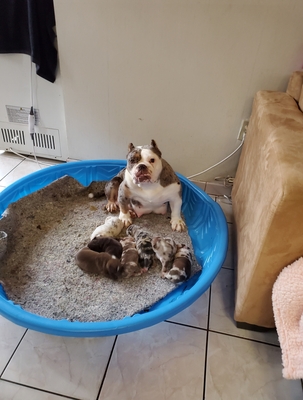
  • Puppies are born blind, deaf, and highly dependent on their mother.

  • Their primary activities include sleeping and nursing.

  • Weight gain is rapid, with puppies typically doubling their birth weight by the end of this stage.

Behavioral Development

  • Instinctive behaviors like rooting and suckling are evident.

  • Interaction is minimal, limited to seeking warmth and comfort from their mother and littermates.

Care Tips

  • Ensure the mother has a calm, warm, and safe environment.

  • Monitor for signs of undernourishment or developmental delays in puppies.


Transitional Stage (2 to 4 Weeks)

Physical Development

  • Eyes and ears begin to open, allowing the puppies to see and hear.

  • They start to develop basic motor skills, such as crawling and attempting to stand.

  • Milk teeth begin to emerge.

Behavioral Development

  • Puppies become more aware of their surroundings and begin interacting with littermates.

  • Early social behaviors, like play-fighting and tail wagging, appear.

Care Tips

  • Begin gentle handling to familiarize puppies with human touch.

  • Keep the environment clean and maintain the mother’s health to ensure adequate milk production.


Socialization Stage (4 to 12 Weeks)

Physical Development

  • Puppies grow rapidly, gaining strength and coordination.

  • By the end of this stage, most puppies are fully weaned and can eat solid food.

  • Vaccinations and deworming start during this period.

Behavioral Development

  • Critical period for socialization; puppies learn to interact with humans, other animals, and different environments.

  • Begin responding to basic training cues like “sit” or “come.”

Care Tips

  • Provide exposure to a variety of stimuli, including sounds, textures, and environments.

  • Start crate training and housebreaking to establish early routines.

  • Focus on positive reinforcement to build trust and encourage learning.


Juvenile Stage (3 to 6 Months)

Physical Development

  • Growth slows slightly but remains steady.

  • Adult teeth begin to replace milk teeth.

  • Muscle definition becomes more apparent, especially in males.

Behavioral Development

  • Puppies exhibit increased independence and curiosity.

  • They may test boundaries, showing signs of stubbornness or selective listening.

  • Play is a primary mode of learning social and survival skills.

Care Tips

  • Consistency is key in training to address boundary testing.

  • Provide chew toys to alleviate teething discomfort.

  • Maintain a balanced diet to support growth and development.


Adolescent Stage (6 to 12 Months)

Physical Development

  • Significant growth in height and muscle mass occurs.

  • Sexual maturity begins, with females potentially entering their first heat cycle.

  • Energy levels remain high, requiring ample physical activity.

Behavioral Development

  • Adolescents may exhibit challenging behaviors, such as jumping, chewing, or ignoring commands.

  • Bonding with their human family deepens, though independence can lead to testing authority.

Care Tips

  • Reinforce training with consistency and patience.

  • Provide structured activities and exercise to channel their energy productively.

  • Spaying or neutering can be considered based on veterinary advice.


Young Adult Stage (1 to 2 Years)

Physical Development

  • Growth slows as dogs reach their full adult size.

  • Muscle development continues, particularly with proper nutrition and exercise.

  • Coat condition improves, often appearing glossier and denser.

Behavioral Development

  • Dogs begin to settle into their temperament, whether calm, energetic, or a mix.

  • Training outcomes become more apparent as behaviors stabilize.

  • Dogs are highly receptive to advanced training or specialized activities, like agility.

Care Tips

  • Gradually transition to an adult dog food formula to support maintenance rather than growth.

  • Continue socialization to reinforce good manners.

  • Regular veterinary checkups ensure overall health.


Mature Adult Stage (2 to 4 Years)

Physical Development

  • Dogs are at their peak physically, showcasing the breed’s characteristic muscular build.

  • Weight stabilizes, though overfeeding can lead to obesity.

  • Joint health becomes a consideration, especially for active dogs.

Behavioral Development

  • Dogs are generally calmer and more predictable.

  • Loyalty and attachment to their family become more pronounced.

  • They may show less interest in play compared to younger stages but enjoy companionship and routine activities.

Care Tips

  • Maintain a balanced exercise regimen to prevent obesity.

  • Monitor for early signs of joint issues or other health concerns.

  • Reinforce basic training periodically to ensure compliance.


Senior Stage (5 Years and Beyond)

Physical Development

  • Aging signs like graying fur, reduced energy, and joint stiffness may appear.

  • Appetite may change, and some dogs become more prone to weight gain or loss.

  • Overall health needs close monitoring, with a focus on dental care and joint health.

Behavioral Development

  • Seniors are typically less active but remain affectionate and loyal.

  • They may experience cognitive decline, leading to confusion or altered behavior.

  • Comfort and companionship become primary needs.

Care Tips

  • Adjust diet to suit reduced activity levels, focusing on joint supplements and easy-to-digest food.

  • Provide a soft bed and avoid strenuous activities that strain joints.

  • Regular veterinary visits are crucial to manage aging-related health concerns.


Conclusion

The journey of an American Bully from a playful puppy to a mature adult is a rewarding experience filled with milestones. By understanding these growth stages, you can provide tailored care that meets your dog’s evolving needs. Each stage offers opportunities to strengthen your bond, ensuring your American Bully grows into a happy, healthy, and well-adjusted companion.

Explore more tips and insights on caring for American Bullies at Capcity Bullys to ensure your pet thrives at every stage of life!

Top 10 American Bully Bloodlines and Their Traits

The American Bully is a breed celebrated for its muscular build, loyal temperament, and striking appearance. Its growing popularity has been driven by breeders refining distinct bloodlines that emphasize specific traits. From impressive structure to family-friendly temperaments, here’s a look at the top 10 American Bully bloodlines and what makes them unique.


1. Razor’s Edge

One of the most popular bloodlines, Razor’s Edge is known for its balanced structure and family-friendly temperament. These dogs are medium-sized with broad chests, blocky heads, and powerful muscles. Razor’s Edge Bullies are affectionate, loyal, and great with kids, making them ideal for family environments.


2. Gottiline

Gottiline Bullies are famed for their massive heads, wide chests, and muscular builds. This bloodline originated in the late 1990s and quickly became a favorite among American Bully enthusiasts. Dogs from Gottiline are confident, protective, and excellent companions. Their distinct physical features make them a popular choice for breeding programs.


3. Devilspit

Devilspit bloodlines are synonymous with compact size and extreme features, making them highly sought after in the Micro Bully category. Known for their short stature, thick muscles, and distinct faces, Devilspit Bullies embody power in a small package. These dogs are ideal for owners who want a compact yet striking companion.


4. Daxline

Named after the legendary stud “Dax,” Daxline is renowned for producing short and stocky Bullies with exaggerated features. These dogs have wide shoulders, thick necks, and muscular frames. They’re also known for their energetic and playful nature, making them a favorite among active owners.


5. Miagi Bloodline

The Miagi bloodline is famous for its exotic appearance. These Bullies are shorter with extreme features, such as broad heads and unique facial expressions. Miagi Bullies are typically bred for show purposes and are perfect for enthusiasts looking for a standout dog with a bold personality.


6. Remyline

Named after the legendary “Remy Martin,” this bloodline is known for its elegant yet powerful structure. Remyline Bullies are slightly taller than other lines but retain the muscular build and loyal temperament American Bullies are known for. They’re great family dogs with a calm demeanor.


7. Bullseye Bloodline

The Bullseye bloodline is celebrated for its incredible muscle mass and blocky heads. These dogs are short yet heavy, with wide shoulders and a confident stance. Bullseye Bullies are often used in breeding programs to enhance structure and strength.


8. Edge of Gottiline (EOG)

EOG Bullies are compact and stocky, combining traits from both Razor’s Edge and Gottiline. This bloodline is known for producing dogs with exaggerated muscles, short legs, and a friendly temperament. Their unique look makes them a favorite in both homes and show rings.


9. Kurupt Bloodline

Kurupt Bullies are large and muscular with an athletic build. This bloodline is ideal for those seeking a more traditional Bully appearance with a touch of elegance. Kurupt Bullies are loyal, intelligent, and easily trainable, making them excellent companions.


10. G-Line

G-Line is recognized for its consistent structure and family-oriented nature. These Bullies are medium-sized, with proportional builds and friendly dispositions. G-Line Bullies are versatile, excelling in both show rings and as loyal pets.


Conclusion

The American Bully breed’s diversity stems from these exceptional bloodlines, each offering unique traits and characteristics. Whether you’re looking for a family-friendly companion or a show-stopping stud, understanding these bloodlines can help you find the perfect Bully.

At CapCity Bullys, we pride ourselves on producing top-tier American Bullies with bloodlines like Razor’s Edge, Gottiline, and Devilspit. If you’re searching for a Bully with pedigree and personality, check out our upcoming litters and reserve your champion today!


Best Diet and Nutrition for Your American Bully

At Capcity Bullys, we know that providing the best diet and nutrition for your American Bully is essential to their health, growth, and overall well-being. Whether you own a Micro Bully, Pocket Bully, or Standard American Bully, feeding them a high-quality, balanced diet will help them thrive. Here’s everything you need to know about feeding your American Bully for optimal health.


What Makes the Best Diet for an American Bully?

American Bullies are known for their muscular build, energy, and strength. To maintain these traits, their diet should include:

High-Quality Protein

    • Protein is the cornerstone of your American Bully’s diet. Look for premium sources like chicken, beef, turkey, fish, or lamb. Aim for dog food with at least 30% protein to support muscle growth and repair.

    • Consider raw or cooked lean meats as an added protein boost.

      Healthy Fats

      • Fats provide essential energy and promote a shiny coat. Look for Omega-3 and Omega-6 fatty acids, often found in fish oil, flaxseed, and poultry fat.

      • Ensure fat content in their diet ranges between 15-20% for energy and skin health.

        Complex Carbohydrates

        • Carbs are an excellent energy source. Include options like sweet potatoes, brown rice, or oats to fuel your Bully’s active lifestyle.

        • Avoid cheap fillers like corn and wheat, which can cause digestive issues.

          Essential Vitamins and Minerals

          • Fruits and vegetables like spinach, carrots, and blueberries provide antioxidants, vitamins, and minerals to support immune health.


Should You Use Dry, Wet, or Raw Food?

Each type of dog food has its benefits, and the best choice depends on your Bully’s specific needs:

  • Dry Kibble: Convenient and affordable, look for premium kibble with natural ingredients and no fillers.

  • Wet Food: A great option for picky eaters, but ensure it’s high in protein and low in unnecessary additives.

  • Raw Diet: Many Bully owners prefer raw feeding to replicate a more natural diet. Include raw meat, bones, and organs, but consult a veterinarian for proper balance.


Feeding Schedule for Your American Bully

  • Puppies (8 weeks to 1 year): Feed 3-4 small meals per day to support rapid growth.

  • Adults (1+ years): Transition to 2 meals per day with consistent portion sizes.

Portion sizes should be based on weight, activity level, and metabolism. Consult your veterinarian for precise guidelines.


Supplements for American Bullies

To enhance your American Bully’s diet, consider adding:

  • Glucosamine: For joint health.

  • Fish Oil: To maintain a shiny coat and healthy skin.

  • Probiotics: To improve digestion and gut health.


Foods to Avoid

Certain foods are toxic or harmful to American Bullies, including:

  • Chocolate

  • Grapes and raisins

  • Onions and garlic

  • Cooked bones

  • Excessive dairy


Conclusion

Providing the best diet for your American Bully ensures they stay strong, healthy, and full of energy. At Capcity Bullys, we’re passionate about helping you raise happy and thriving Bullies. A balanced diet combined with proper exercise and care is the key to your dog’s success.

Looking for an American Bully with champion bloodlines? Contact Capcity Bullys today to reserve your puppy and learn more about caring for this amazing breed!


#AmericanBullyDiet #BestFoodForBullies #MicroBullyNutrition #HealthyBullies #CapcityBullys #AmericanBullyTips

MIA

Dolla Bill

Bow Wow

Luvapit

Groot

Ohio Bully Camp

Trikia

Luvapit

Mine

Blue Sky

Ticked Off

DBL7

Sweet Pea

PCB

Ginger

Big Bag Bullies

Rocco

CCB

Bape

IBS

Mula

CCBT

Mine

Blue Sky

Ticked Off

DBL7

Sweet Pea

PCB

The Ultimate Guide to Raising a Healthy American Bully

Raising a healthy American Bully requires a commitment to providing the best care, nutrition, and training for your furry friend. Known for their muscular build and friendly disposition, American Bullies are a popular breed that thrives in a loving environment with proper guidance. In this comprehensive guide, we will cover everything you need to know to ensure your American Bully lives a long, healthy, and happy life.

## Understanding the American Bully Breed

American Bullies are a relatively new breed that emerged in the 1990s. They were developed by crossing the American Pit Bull Terrier with various Bulldog breeds to create a dog that embodies strength, loyalty, and a gentle temperament. These dogs are known for their muscular physique, broad chest, and well-defined jaws.

### Key Traits of American Bullies

– **Size and Weight:** American Bullies come in various sizes, including Pocket, Standard, Classic, and XL. They typically weigh between 30 to 150 pounds, depending on the category.
– **Temperament:** Despite their tough appearance, American Bullies are known for their affectionate and friendly nature. They are great with children and other pets, making them excellent family dogs.
– **Lifespan:** With proper care, American Bullies can live between 10 to 14 years.

## Nutrition for a Healthy American Bully

Proper nutrition is crucial for the growth and development of your American Bully. A balanced diet rich in protein, fats, and essential vitamins and minerals will keep your dog healthy and energetic.

### Recommended Diet

1. **High-Quality Protein:** American Bullies require a diet high in protein to support muscle growth and maintenance. Opt for dog foods that list real meat as the first ingredient.
2. **Healthy Fats:** Fats are an essential energy source and help maintain healthy skin and coat. Look for foods with omega-3 and omega-6 fatty acids.
3. **Vitamins and Minerals:** Ensure your dog gets a well-rounded diet with all the necessary vitamins and minerals. Supplements can be beneficial, especially if your dog has specific dietary needs.

### Essential Supplements

To further support your American Bully’s health, consider incorporating these high-quality supplements into their diet:

– **Bully Max 2-in-1 Puppy Soft Chews for Immunity & Growth:** These chews are perfect for puppies, providing essential vitamins for health and immune support. They are suitable for all breeds, including small and large breed puppies.
– **Bully Max 7-in-1 Total Health & Immunity Dog Multivitamin Powder:** This supplement is ideal for both puppies and adult dogs. It includes omega-3 vitamins to support the immune system, heart, joint, and digestive health.
– **Bulk UP Your Pit Bull | Real Meat Protein Muscle Bulker:** This pure protein powder is excellent for building muscle and maintaining a healthy weight. It’s perfect for daily use to ensure your dog gets enough protein in their diet.

## Exercise and Training

Regular exercise and training are vital for the overall well-being of your American Bully. These dogs are active and enjoy engaging in physical activities.

### Exercise

American Bullies need daily exercise to stay healthy and happy. Aim for at least an hour of physical activity each day. This can include walks, playtime, and structured exercises like agility training.

One excellent product to enhance your dog’s workout is the **XDOG Weight Vest Harness for Dogs**. This harness helps build muscle, improve performance, and enhance endurance. It also provides warming, cooling, and weighted compression, supporting mental health and overall wellness.

### Training

Training should start early and be consistent. American Bullies are intelligent and eager to please, making them relatively easy to train with the right approach.

– **Socialization:** Expose your puppy to different environments, people, and other animals to develop a well-rounded temperament.
– **Basic Commands:** Teach your dog basic commands like sit, stay, come, and heel. Positive reinforcement techniques work best with this breed.
– **Behavioral Training:** Address any behavioral issues promptly. Consistent training and reinforcement will help mold your Bully into a well-behaved companion.

## Health Care and Regular Check-Ups

Routine veterinary care is essential for maintaining your American Bully’s health. Regular check-ups will help detect and prevent potential health issues early on.

### Common Health Concerns

– **Hip Dysplasia:** This genetic condition affects the hip joints and can lead to arthritis. Regular exercise and maintaining a healthy weight can help manage this condition.
– **Skin Allergies:** American Bullies are prone to skin allergies. A healthy diet and regular grooming can minimize the risk.
– **Heart Conditions:** Regular veterinary check-ups can help monitor and manage any heart-related issues.

## Grooming Your American Bully

Maintaining your American Bully’s coat and overall hygiene is straightforward, thanks to their short coat.

### Grooming Tips

– **Brushing:** Brush your dog’s coat weekly to remove loose hair and keep their skin healthy.
– **Bathing:** Bathe your Bully as needed, typically once a month, to keep their coat clean and shiny.
– **Nail Trimming:** Regularly trim your dog’s nails to prevent overgrowth and discomfort.
– **Ear Cleaning:** Check and clean your dog’s ears regularly to prevent infections.


American Bully Training Techniques: From Basics to Advanced Commands

Training an American Bully requires dedication, patience, and a comprehensive understanding of effective training techniques. Whether you’re a seasoned owner or a newcomer to the breed, mastering training methods tailored to American Bullies can enhance the bond between you and your dog while ensuring a well-behaved companion. In this blog, we’ll explore essential training techniques, from basic obedience to advanced commands, specifically designed for American Bullies.

**Understanding the American Bully Breed**

Before delving into training techniques, it’s crucial to understand the unique characteristics of the American Bully breed. American Bullies are known for their intelligence, loyalty, and muscular build. They thrive on positive reinforcement and respond well to structured training routines.

**Basic Obedience Training**

Begin your American Bully’s training journey with fundamental obedience commands. These commands establish a foundation of communication and respect between you and your dog:

1. **Sit:** Teach your Bully to sit on command using positive reinforcement, such as treats or praise. This command is essential for control and discipline.

2. **Stay:** Train your Bully to stay in place until released. Start with short durations and gradually increase the duration as your dog becomes more proficient.

3. **Come:** Establish a reliable recall command to ensure your Bully returns to you when called. Practice in a controlled environment before progressing to more distracting settings.

4. **Down:** Teach your Bully to lie down on command. This command promotes calmness and can be useful in various situations.

5. **Heel:** Train your Bully to walk politely on a leash without pulling. Use positive reinforcement to encourage loose leash walking.

**Advanced Training Commands**

Once your American Bully has mastered basic obedience, you can progress to advanced commands to further challenge and stimulate their mind:

1. **Leave It/Drop It:** Teach your Bully to leave objects or distractions on command. This command is essential for safety and preventing unwanted behaviors.

2. **Fetch:** Engage your Bully in a game of fetch to promote physical exercise and mental stimulation.

3. **Place:** Train your Bully to go to a designated spot and remain there until released. This command is useful for settling your dog in specific areas.

4. **Speak/Quiet:** Teach your Bully to bark on command and to stop barking when prompted. This command helps manage vocalization.

5. **Advanced Tricks:** Challenge your Bully with fun tricks like spin, shake, or roll over. These tricks provide mental enrichment and strengthen the bond between you and your dog.

**Positive Reinforcement and Consistency**

Throughout training, emphasize positive reinforcement by rewarding desired behaviors with treats, praise, or playtime. Consistency is key to successful training—use clear, consistent commands and practice regularly to reinforce learning.

**Training Challenges and Solutions**

American Bullies may present unique training challenges due to their strong-willed nature. Remain patient and adaptable, modifying techniques to suit your Bully’s temperament and learning style. Seek professional guidance if needed to address specific behavioral issues.

**Conclusion**

In conclusion, mastering American Bully training techniques requires dedication, patience, and a tailored approach. By understanding the breed’s characteristics and implementing structured training routines, you can cultivate a well-mannered and confident companion. Remember to prioritize positive reinforcement, consistency, and adaptability throughout the training process. With commitment and perseverance, you’ll build a strong bond with your American Bully while achieving impressive training results.

For more information on American Bully training, nutrition, health, and trends, stay connected with reputable resources and seek guidance from experienced breeders and trainers. Together, let’s celebrate the remarkable qualities of the American Bully breed and empower owners to raise happy, well-trained dogs.

DOG BREEDS IN THE AMERICAN BULLY – TRAITS AND TEMPERAMENT


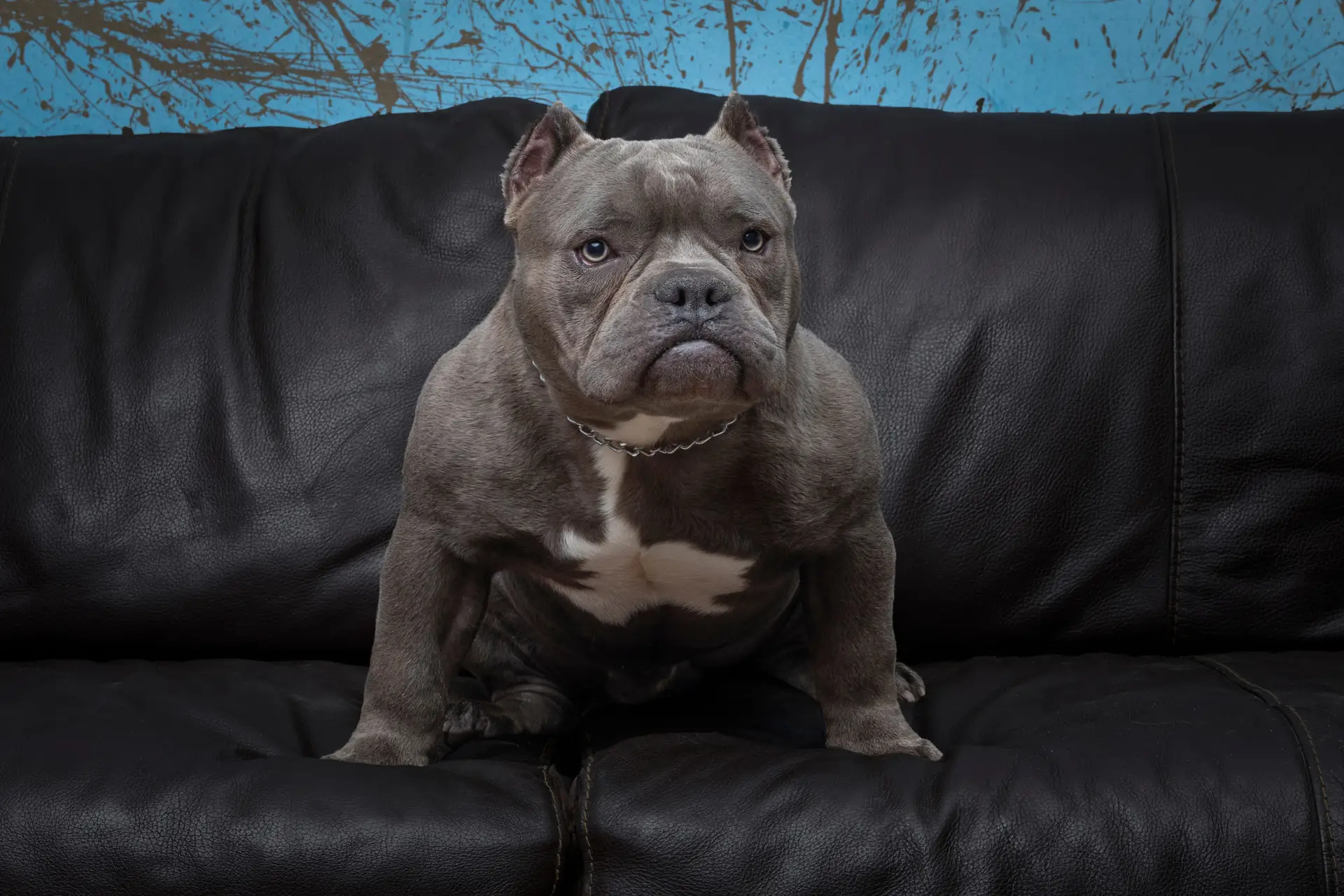
When it comes to dog breeds, nowadays, we can find many on the market which are considered “new”. But in this world of newcomers, there is one that gained popularity and stood out from the crowd – the American bully!

Even though it doesn’t have a long history, we can promise it is an exciting and interesting one! So today, we will talk about everything connected to this breed. Let’s explore its origins and find out why there is a heightened interest in having this particular dog as a part of a family.
Where does it come from?

As we mentioned, the American bully is a relatively new breed that only made its first step onto the dog scene about 20 years ago. It was bred from different breeds and carefully selected to create the ultimate family companion dog with a good temperament and physical characteristics.

What is amazing about its breeding process is that the target was also to remove each specific breed’s negative aspects. That said, some of the species included in the creation of the American bully include the American Staffordshire Terrier, the American Pit Bull Terrier, the French Bulldog, the English Bulldog, and some other bulldog breeds. Even more extraordinarily, the typical aggression present in these breeds was removed, as well as the hunting instinct, creating a wonderful dog that is perfect for keeping as a family pet.

  •  

History of Bullies

We are more than certain that every time in the past, as soon as you heard the name Pit Bull Terrier, your mind immediately raced to aggression, dog street fights, and not being a good, stable fit as a family pet. Well, the truth is that even though we cannot dispute the fact this is true, the reason for their behavior is mostly due to humans. For decades, they have been bred for blood sports, and because of it, they have been known as the “outcasts” in the family dog world. However, as fights started being banned, and they were mostly used for hunting and cattle, people started noticing their family-friendly traits.

Nowadays, the press makes all the fuss about illegal blood sports, giving them a bad name. A picture of them has been painted, including a desire to have an animal strong and fierce enough to fight other, larger animals and even bears. But if you see all the signs, Pit Bulls are being abused and tortured, resulting in fear and aggression – which is an expected response. With the aid of many kind souls and organizations who care for these intelligent dogs, more and more of them are being protected and raised properly to nurture their true traits. It’s worth remembering that even though breeds such as these have been known as aggressive, this has more likely been caused by their environment, which is NOT a personality trait.

Losing the aggressive side

If you see a few American Bully Puppies, naturally, you would run toward them and vice versa. They will be cute, just like any other puppy. So, how come they have been labeled as hostile for so long? They are not violent or combative by nature, so if you are thinking about getting an American Bully, don’t let this sway your opinion.

Many dog breeds have been considered far more dangerous – even natural predators that people have been welcoming in their homes as pets while neglecting the gentle nature of this incredible breed.

Nevertheless, people wanted to keep the intelligence, loyalty, and strong feature of the typical American Pit Bull Terrier, so they started creating a more friendly version with these traits in mind – the American Bully. The visual difference is the first thing you might notice once you compare the two, but their temperament is worth mentioning too. The latter has some incredible features, including a muscular frame and broad chest. We love that they have such distinctive traits, you can recognize them anywhere, and they are usually the first ones to cuddle!

Back to the matters of the heart – American Bully’s traits

Despite their bad press and their physical appearance, the American Bullies are an incredible companion for everyone. They have proven to be affectionate by nature, gentle, and protective when needed. It seems that their charm can move mountains, instantly capturing the hearts of everyone around!

People who opted for American Bully Puppies, but also grown American Bullies, describe them as the most loving, affectionate and obedient dogs they have ever owned. They are practically irresistible! Since the reason for their creation is to make a strong companion that is also friendly and filled with intelligence and charm, this is a jackpot dog.

But, what we found the most interesting about them is how they can create a bond with family members and feel protective around children. Even though Pit Bulls have been protective in the past, too, it seems that, with this breed, the trait has been accentuated even more, creating an animal with a protective shield – acting as a guardian of your own home galaxy!

Their temperament is fun, caring, friendly, tolerant, obedient, and intelligent. If you are thinking about getting a dog, and this is the particular one that caught your eye, then we support your decision!


Finally, if you want to get some more information on our new Capcity Bully puppies, adults for sale, latest blogs, and breedings – scroll down to the bottom of the page and fill out the email alerts box!

How to Pick a Show Quality American Bully Puppy

The American Bully has fast become a popular breed because of its friendly and loving nature. However, along with it being an excellent family pet, the American Bully also makes a great show dog.

Picking a quality American Bully puppy for the purposes of showing isn’t as easy as you might think. There are quite a few things to look out for when choosing the best puppy, so here is a handy guide to picking a show quality American Bully puppy.

 1.First decide which type is right for you

One of the best things about the American Bully breed is the fact that it’s divided into several types. For many the main difference is size, but there are types that include crosses with other breeds. If you’re looking for an American Bully puppy, you can choose from:


STANDARD

XL

POCKET

MICRO

EXOTIC


The breed standards of the American Bully don’t vary massively between types, apart from size of course. All types include references to heavy, muscular builds, with wide shoulders and a thick body. All American Bullys should have a short, stiff coat around a quarter inch long. Competition judges accept all colors for the American Bully, except merle/blotched.

Size is probably going to be the biggest deciding factor when it comes to choosing the best American Bully for you. You can show American Bullys of any size, but they’ll obviously be divided into different categories during shows. The permissible sizes of the American Bully are:


Standard: Males – 17-20” Females – 16-19”

XL: Males – 20-23” Females – 19-22”

Pocket: Males – under 17” but no less than 14” / Females under 16”  but no less than 13”

Micro Exotic: Males under 14” / Females under 13”


It’s also worth remembering that the American Bully is known to be a very strong dog, and so choose a size that you could handle confidently. Size won’t necessarily have any bearing on whether you can compete or not, so choose the one that’s right for you.

Obviously you won’t be able to tell an American Bully puppy’s full-grown height when you’re choosing it. Be clever about which puppy you select, as it might not always be worth going for the biggest – it might end up too big to show. Similarly, steer clear of the runt of the litter, unless you’re choosing a Pocket or smaller.


2. Trust the blood

If you’re new to the world of showing dogs, but were drawn in by the idea of showing an American Bully, then you need to know one thing: trust the blood. This means studying a dog’s genealogy, as there’s usually a good chance that winning dogs will produce winning puppies.

At the very minimum you need to look at the immediate pedigree of the parents. Make sure they both conform to breed standards and are free of any illnesses or hereditary conditions. Responsible breeders will test for these, meaning you should have clear information about the chances of a puppy developing a condition.

Some breeders say it’s more important to look at the mother’s side, but obviously check both. If you have access to the information, check the mother’s parents to see what their pedigree is like. It’s worth going back a few generations if you can, as some conditions can skip a generation.

It almost goes without saying, but you should always see the mother and father before choosing a puppy. Visit on several occasions if you can and watch the puppies interact with their mother. It’s possible the father won’t be there, but meet him if the breeders still have him.

Aside from anything else, you need to check that the puppies are acting naturally, and that the dogs don’t seem farmed in any way. A responsible breeder will raise their dogs with care, and this makes a massive difference when it comes to developing a show quality dog.


3. Check for flaws

When you’re visiting the breeder and deciding on which puppy to adopt, you need to look out for flaws. Make sure you check the parents and all the puppies, including the one you’re thinking of adopting. While your puppy might seem fine, it’s entirely possible that flaws could develop later if there were breeding issues.

Flaws aren’t necessarily health conditions, but they’re things that’ll lose you marks – or disqualify you completely – when you go to show your American Bully. Flaws are generally physical “defects” that mean the dog doesn’t conform to the breed standards. However, some flaws can relate to temperament too.

When inspecting the dog(s) for flaws, look out for the following:

Bulging or protruding eyes

Kink tail or a tail with curvature

Underjaw turning up / underbite

Albino nose (pink nose)

Curly or wavy coat (it should be completely straight)

Limp or difficulty walking


There are plenty more faults to look out for in an American Bully, but many of them won’t be fully visible until the dog is fully-grown. During competitions, judges look out for things like a weak neck and bowed front legs, or splayed feet and a short tail. Many of these will show signs in the puppy, but won’t really manifest properly.

As a result, you’ll need to be very aware and cautious when choosing a show quality American Bully puppy. Considering you’ll be adopting at a minimum of 8 weeks, this gives you time to see the puppy walk and interact with other dogs. However, it won’t have fully developed muscles yet, so just ensure it looks healthy and active.

Not all faults will lead to disqualification from competitions, but serious ones will. If you’re serious about showing your American Bully, then be confident when selecting your puppy. Only choose one that you’re certain is going to grow into a healthy dog, and this starts with identifying faults.


Finally, if you want to get some more information on our new Capcity Bully puppies, adults for sale, latest blogs, and breedings – scroll down to the bottom of the page and fill out the email alerts box!

4 Ways to Take Care of Your American Bully Puppy

Realistically, there’s only one way to take care of your new American Bully puppy, and that’s the right way. This means a good diet, plenty of exercise, and time spent playing and bonding. Doing so will help you quickly become friends with your new dog, and will ensure they grow up happy and healthy.

However, the right way to look after a dog means different things to different people. The following aren’t necessarily ways to look after your American Bully Puppy, but they are tips that’ll enhance the way your dog grows up, and will make it much stronger and healthier than the average dog. If you do all of these, you’ll have a great specimen of an American Bully on your hands.


1. Make sure you give it a good diet

American Bullys are incredibly muscly dogs, and this means they need a very high protein diet. It’s crucial to start this kind of diet when they’re young because this is when they begin forming their adult muscle structure.

Their main food should also be high in fat, and the best option is a dry kibble made especially for American Bullys, which you can supplement with wet food. When looking for a kibble, make sure the first three ingredients on the list are meat. It should also have a protein content of 30% and a fat content of 20% at the absolute minimum.

While they’re puppies, it’s best to get as much food into them as possible. You should feed your American Bully Puppy three times a day, or leave food down for them all day. This will change as they get older though, and after about 12 months they should be on an adult diet.

2. Keep up with their healthcare

Overall, the American Bully is a healthy breed, but this doesn’t mean you should neglect caring for your American Bully Puppy. At the absolute minimum they should be treated for fleas and worms, and you should ensure they have all the relevant vaccinations while they’re still a puppy.

You can start worming your American Bully puppy at about 4 months, which is when they should be treated for heartworm and tapeworm. This treatment should be repeated as often as the manufacturer recommends, which will probably be once every month or so. You can also ask your vet to check your dog for worms if you’re unsure.

Flea treatment can be started about the same time, and should be done monthly in spring and summer, and then once every three months in fall and winter. While fleas aren’t a major health concern, they can lead to blood conditions and are incredibly irritating if they infest your house.

It’s also recommended to give American Bully puppies calcium supplements so they can develop strong bones. Vitamin supplements are a good idea while they’re young too, particularly around the time they get their vaccinations.

Vaccinations are usually started around 5 weeks of age, and some need to be done before the dog can go outside. In total, your American Bully puppy will have five, done at three-week intervals. They’re given a 7-way shot that covers them for all common conditions.

However, you should also ensure they get a rabies vaccine at 6 months, and this will last for 3 years. Rabies is a dangerous and deadly condition, and it’s the last thing you want if you’re hoping for a happy and healthy dog.

3. Exercise is key to proper development

Exercise is important for any dog, but it’s particularly necessary when they’re puppies. American Bully puppies should get daily exercise, once they’ve had their vaccinations of course.

About 30 minutes of exercise a day is the minimum you can really get away with, simply because the American Bully is an energetic breed. If you can get out for two or three walks a day that would be even better. Just make sure you watch out for sings of overheating, as American Bullys are quite susceptible to this.

Your dog will probably want to play fetch, and starting this while they’re a puppy is a great way to build up trust and obedience. Make sure you buy toys that are large enough to not be swallowed, and think ahead for when they’re adults too. You should also look for very hardy toys because American Bullys love to chew.

Swimming is a great exercise for American Bullys, as it stops them from getting hot but means they can burn off plenty of energy. If you want a strong and muscly adult, teach them to swim while they’re a puppy. You might need to get an inflatable harness or buoyancy aid, but once they know what they’re doing they’ll love it.

4. Obedience training makes all the difference

One of the best ways to care for your American Bully puppy is to teach it obedience training. This should be started as early as possible, which will probably be around 8 weeks. Starting this early will teach them how to behave around other dogs, and is an ideal way of preventing antisocial behaviors from developing.

The American Bully is quite an intelligent breed, and can learn a wide range of commands. Because of the breed’s loyalty, you shouldn’t need to use treats while training, as praise should be enough. Take your puppy to a training class so it can interact with other dogs and people. This will get it ready for later life, and it ensure it grows up to be a friendly and sociable adult.


Conclusion

The best way to take care of your American Bully puppy is to feed it a good diet and give it plenty of exercise. The more effort you put into raising it as a puppy, the more you’ll get out of it when it’s an adult. The American Bully is known for its loyalty, and this is a bond you need to develop while they’re still a puppy.


Finally, if you want to get some more information on our new Capcity Bully puppies, adults for sale, latest blogs, and breedings – scroll down to the bottom of the page and fill out the email alerts box!

The History of the American Bully Part 4 – Caring for the Breed

The American Bully is fast becoming one of the most popular rare breeds in America, mainly thanks to its great temperament, and purpose as a companion dog. As we have seen in the previous posts, the breed was created to preserve the desirable characteristics of the American Pit Bull, but without any of the aggression. This article is part 4 of 4 in the series, and looks at the best care tips for the breed.


Caring for an American Bully

American Bullys are a great family pet, and their caring and gentle nature makes them ideal to keep around small children. They also serve as great guard dogs, if only because of their imposing appearance! Caring for your dog properly should be one of your top priorities, and at the most basic level this means providing the right amount of food and exercise.

As a general rule, American Bullys are very healthy dogs, although this will obviously be affected by the breeder you get the dog from. Any responsible breeder should be able to provide you with a health certificate for the puppy, and it’s always worth getting one before committing to a purchase. After all, the last thing you want is for any surprise health defects to pop up along the way. Below is some information about the proper care of an American Bully, including diet, exercise, grooming, and healthcare.

Diet and nutrition

American Bullys are an incredibly muscular breed, and so it’s worth giving them a high protein diet. They also need food that’s high in fat, but always make sure this is good fat, rather than bad, as you don’t want your dog becoming overweight.

If you choose to feed your American Bully dry food, make sure it has a fat content of around 20%, and a protein content of at least 30%. You should also ensure that it’s a good quality food, with the main ingredients being meat-based, and as little filler as you can find (some brands bulk up their food with things like ash, and this really isn’t something you want your dog to eat).

However, because of their physical structure, American Bullys can benefit massively from a raw diet. A raw diet primarily consists of raw meat and bone, usually with added vegetables and fiber. Raw diets generally have very little carbohydrate, which is another benefit for the breed. Raw diets require a bit of research, as you’ll need to make sure you’re getting the right nutritional balance, and many owners prefer to mix it themselves. If you’re unsure, speak to your vet and do some research online.

When it comes to food quantity, this will be mostly based on the weight of your dog. Most brands will give a feeding chart, but you should ensure your dog has enough to eat without being overweight. Try feeding both once and twice a day to see what works best for you and your dog.

Exercise

When it comes to exercise for the American Bully, more is better. The easiest way to make sure they get enough exercise is to provide them with a big yard to run around in. However, if you can’t do this, take them for at least one walk a day for at least 30 minutes. Exercise will help your American Bully maintain good muscle mass, and they always love to play fetch too.

Another suggestion is to provide them with toys that will engage their brain. For example, toys that can hide food are always good, and will stop the dog from getting bored. If they don’t get enough exercise, American Bullys can become destructive, and they don’t mind whether this is inside or outside.

Healthcare

As mentioned, American Bullys are generally healthy dogs, but you should always make an effort to do your bit. Make sure you get the correct vaccinations, which should be done from the age of 5 weeks onwards. At the age of 6 months, your vet will give your dog a rabies shot that lasts for 3 years. These should be repeated every 3 years to make sure they’re always protected.

Also, the 7-way vaccination (the one your puppy will have at 5 weeks) should be repeated every year to ensure they remain vaccinated. Depending on when you get your American Bully puppy, the breeder may have already done the first vaccination. Make sure you get confirmation of this, and then repeat annually.

As with all other breeds, worming is important. You should worm your dog every 3 months, or more frequently in the summer if you live in a rural area. You can do this yourself with over the counter worming medication, or ask your vet if you don’t feel confident. It can also be helpful to ask your vet to do a feces check for worms, just to make sure the medication is working.

Grooming

American Bullys are really easy to look after when it comes to grooming. You should brush their teeth at least once a week, although this can be done less often if they’re on a raw diet because of the low carbohydrate levels. You can also buy specific chew toys that help clean teeth, and many can have toothpaste put in them.

Brushing should be done about once a week to make sure you keep on top of shedding. The breed’s short coat means that brushing isn’t as important as a longhaired breed, but it really helps to minimize hair around the house. A short, stiff brush is best, and do it outside whenever possible. Nails should be clipped once a week, although you might not find this necessary if your dog is getting enough exercise.


Conclusion

The American Bully is a great family dog that captures all the spirit of much-loved American breeds, but without any of the potential for aggression. As we’ve seen over the series, the breed is perfectly designed as a companion pet, and is becoming more popular by the day. Hopefully this article will show you how to look after your newest family member, and will keep them happy


Finally, if you want to get some more information on our new Capcity Bully puppies, adults for sale, latest blogs, and breedings – scroll down to the bottom of the page and fill out the email alerts box!

The History of the American Bully Part 3 – How Does the Breed Act?

The American Bully has quickly risen in popularity among pet owners, partly in thanks to its appearance, but also because of its amazing temperament. As we saw in part 2, the breed was specifically designed to bring in all the desirable attributes of its predecessor breeds, while removing all negative traits. The result is a stocky and muscular dog that’s very fun to be around.

Part 3 of this 4 part series takes a look at the breed’s temperament, including how it acts around people, animals, and children.


What is the breed’s temperament?

The American Bully is known to many as a friendly breed, and is often described as adaptable by its owners. What they mean is that the dogs are known to be very relaxed and lazy in the house, but the second they step outside, they become a completely different dog. This level of energy is a hangover from the breed’s predecessors, many of which were used as hunting or fighting dogs, and so needed to be energetic.

Although the breed is known to be very lazy at home, this is something owners should be careful not to become complacent with. If they’re not given the correct amount of exercise, American Bullys can become overweight very quickly, and so a strict diet and appropriate levels of exercise are important, regardless of how lazy the dog might seem.

Their appearance can likely put many people off the breed, as by their very nature they look quite aggressive. However, this appearance was deliberately bred into them, while any aggressive behavior was bred out. Because of this, potential owners shouldn’t have any fear about the dog acting out, but of course obedience training is always useful to prevent any possible accidents.

By its nature, the breed is very obedient, and does everything possible to please its owner. American Bullys thrive on human company, which is another trait bred into them. For this reason, owners should be prepared to shower the dog with love, but this won’t be too hard because there’s plenty to love about them.

How does the breed get on with other animals?

The American Bully is generally very good around other dogs, providing they’re socialized from an early age. Again, obedience classes are a perfect way to do this, because not only will it provide the dog with training, it’s also a great way of getting them used to the company of other animals.

The breed can be kept with other dogs, but owners should be aware that American Bullys will insist on being leader of the pack. All dogs have a natural pack instinct, regardless of breed, and some prefer to be at the top, rather than the bottom. This is true for the American Bully, and so owners should be wary about keeping them with other authoritative breeds, such as Akitas or Shiba Inus. While aggressiveness isn’t a common trait for the breed, throwing them into situations like this has the potential to go south.

Because of their desire to please, and their love of human attention, American Bullys are generally fine to be kept around children. Again, aggressive behavior is discouraged in the breed, so they’re typically fine with all people. Stockier breeds are also more capable of withstanding boisterous behavior, which children can be known to act around dogs, than smaller breeds.

However, you should always be present when the dog first meets children, and should ideally always be around to keep an eye on things. Saying the breed is friendly and good with children is a general rule, and might not be applicable to all dogs. So as the owner, you’re responsible to make sure everything goes smoothly. No American Bully would intentionally hurt any person, but this is never a 100% guarantee.

So, although American Bullys are friendly and generally obedient dogs, owners need to be firm but fair in order to establish their dominance. The breed isn’t for owners that want to leave their dog to it, as they will need monitoring to make sure they’re well behaved. Not only that, but the breed is very strong, and so owners will need to make sure they can actually handle an American Bully.

Are American Bullys easy to train?

As previously mentioned, owners should give American Bullys basic obedience training, at the very minimum. This covers things like sitting, staying, and coming when called, and should be the very base level of training any dog gets. More than anything, it ensures the safety of other dogs and their owners.

The American Bully is surprisingly intelligent, and many of its predecessor breeds were used for hunting and fighting, and so had to learn a range of rather complicated commands. As a result, the American Bully is also capable of learning more technical commands than many other breeds, and what you choose to teach them is completely up to you.

Obviously, you should always start with basic commands, and gradually make them more complicated. It’s best to start training as early as possible, but there’s no harm in trying to teach an older dog new tricks (it does actually work). You’ll probably find it easiest to teach them commands at home, but there will be plenty you can teach while out walking. Your dog might even become obedient enough to not need a lead.


Conclusion

The American Bully has an incredibly friendly temperament, and absolutely loves pleasing their owners. This makes them an excellent companion breed, and a surprisingly good family pet. They’re generally fine to be kept around other dogs, but this should always start early to make sure no negative behavior develops. This is the end of part 3, which covered the breed’s temperament, but stay tuned for the next part on the history of the American Bully.


Finally, if you want to get some more information on our new Capcity Bully puppies, adults for sale, latest blogs, and breedings – scroll down to the bottom of the page and fill out the email alerts box!

Sign up to get alerts on New Puppies, Breedings & Blog Updates

Download Free Ebook After your subscription

You can unsubscribe at any time by clicking the safe unsubscribe link in the footer of our emails.